The 10,000-step myth exposed – what you should really do: University of Ulster lecturer
Understanding the Science Behind Daily Steps
Whether on a smartwatch or smartphone, many of us regularly track our steps. However, how many steps should we be aiming for, and how do our daily steps actually relate to health? These are questions that Dr. Jason Wilson, a lecturer in physical activity and health based at the School of Sport and Exercise Science at the University of Ulster’s Magee campus, aims to answer through a series of interactive workshops.
Dr. Wilson will host three sessions across the three University of Ulster campuses next week. The events will focus on demystifying common misconceptions about step counts, walking speed, and optimal times for walking to achieve health benefits. By discussing the latest scientific research, these workshops aim to provide attendees with a clearer understanding of how movement impacts overall well-being.

At the heart of the discussion is the widely recognized but often misunderstood notion of 10,000 steps a day. “Ask most people what they have to do, and they’ll say 10,000 steps,” Dr. Wilson says. He explains that this number actually originated from an advertising campaign rather than science. “It wasn’t necessarily based on science, but then science came on the back of it and said, well, 10,000 steps is good for health.”
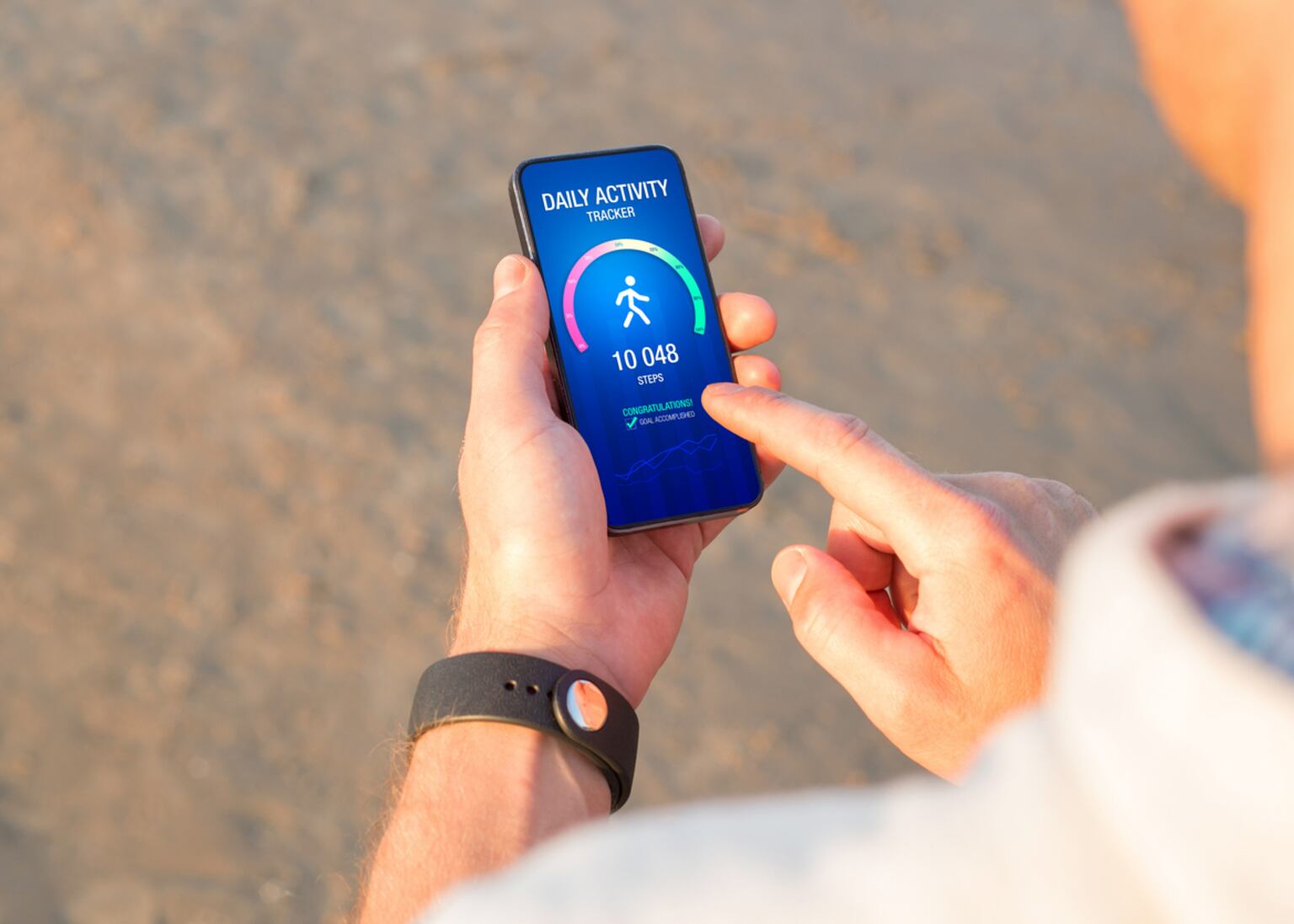
However, recent research suggests that fewer steps may be sufficient to reap significant health benefits. Dr. Wilson notes that some studies indicate as few as 4,000 steps a day could be enough. “Most people don’t really understand what 150 minutes of moderate activity per week means, but steps are more familiar,” he explains. A 10-minute walk can yield close to 1,000 steps, making the idea of accumulating movement far more approachable.
But the workshop isn’t just about numbers. Dr. Wilson plans to explore the quality of those steps as well. Are all steps created equal? Does a leisurely stroll count the same as a brisk walk or a march to make a meeting on time? Drawing on research that considers intensity and pace, he will challenge attendees to think about how movement and the effort behind it affects health outcomes.
Interactive elements promise to elevate the usual lecture format. Dr. Wilson intends to use music to help people regulate their step cadence, demonstrating that you don’t need high-tech gadgets like heart-rate monitors to understand how you’re moving. Instead, rhythm and enjoyment can be simple guides to purposeful walking.
Even something as simple as walking in a shopping centre can provide a chance to get some steps in, particularly if outdoor options feel unappealing.
He also addresses why inactivity, especially prolonged sitting, poses its own risks. While cautioning against dramatic phrases like “sitting is the new cancer,” he agrees that sedentary behavior is independently linked to poorer health outcomes even if people meet basic exercise guidelines. Breaking up sitting time with light movement, he says, can make a real difference.

Dr. Wilson’s academic journey began with a Physical Activity, Exercise and Health module that shifted his focus to using physical activity to support public health. “It wasn’t about creating elite athletes, but about helping people become more active and, ultimately, creating a healthier population. That interest shaped my journey from my master’s degree through to my PhD, where I researched physical activity in people with chronic respiratory conditions,” he says.
For those daunted by fitness commitments, he says even small increases in activity can yield measurable improvements. “It’s not about exercising all the time, it’s just about trying to get a little bit more movement into your daily life. It’s about reflecting and thinking, do I really have to sit for that? I’m speaking on the phone, could I have that conversation walking, do I have to sit down and do that… or, if I’m having a work meeting, do I have to be sitting at a table face-to-face, could I walk around? Is there a way you could do things a little bit differently to make them a bit more active, but that isn’t going to be too inconvenient for you.”
Many people in Northern Ireland are understandably put off by the weather. If it’s cold, wet, or windy, the motivation to go out for a walk isn’t always there. Dr. Wilson says: “Part of it is thinking beyond just one activity. Is walking the only option, or is there a way to diversify? Even something as simple as walking in a shopping centre can provide a chance to get some steps in, particularly if outdoor options feel unappealing.”
“If someone has access to a gym, walking on a treadmill is another alternative. But it’s also worth remembering that we’re not the only country that experiences a lot of rain. Scandinavian countries deal with similar weather, yet they have very high levels of physical activity. From my own experience traveling there for work, you see people cycling year-round. If it’s raining, they put on their waterproofs and head out anyway. That’s an important mindset shift, sometimes it’s just about having the right clothing. Once you get past those first few minutes outside, it’s often not as bad as you expected. The anticipation can be worse than the reality.”
He adds: “Another helpful strategy is doing it with someone else. Whether it’s a partner, a friend, or a family member, having someone walk alongside you creates a sense of shared commitment. It’s often much easier to follow through when you’re doing it together, rather than sitting at home debating whether to go out or not.”
“I’ve been a runner for over 20 years, but I know that not everyone needs to do what I do to experience those benefits. Even small increases, an extra 10 or 15 minutes of activity per week for someone who is inactive, can make a meaningful difference.”
Dr. Jason Wilson will discuss the Science of Steps at the University of Ulster Magee campus on Feb 16, the Belfast campus on Feb 18, and at the Coleraine campus on February 20. He will be joined by fellow UU colleagues Dr Erin Byrd, Dr Lizzy Deery (both based in the School of Sport and Exercise Science) and Dr Nicole Blackburn (based in the School of Health Sciences).

- Mengapa Tidak Semua Ikan Bersisik? Ini Jawabannya! - April 14, 2026
- First Alert Weather: Unseasonal Warmth and High Pollen - April 14, 2026
- “I Just Want to Change the World”: Ankeny Teen Champions for Pediatric Stroke Survivors - April 14, 2026



Leave a Reply