Researchers Sound Alarm as Global Water Bodies Show Alarming Shifts: ‘Impact Extends Beyond Fish’
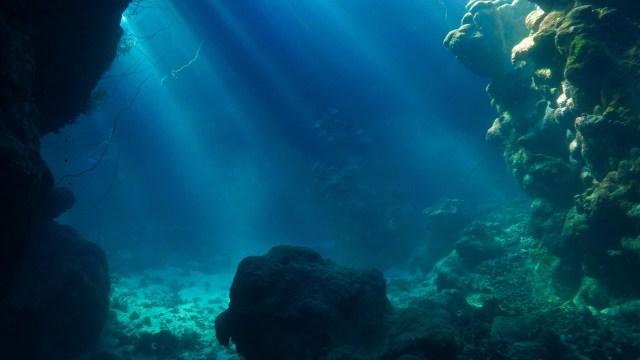
Understanding the Impact of Freshwater Browning
It’s not always easy to spot from shore, but hundreds of lakes that used to run clear are slowly turning darker. Scientists have given this phenomenon a name — “browning.” This process is reshaping freshwater ecosystems in ways that affect fish, food webs, and communities living near these water bodies.
What’s Happening?
A study published in Biological Reviews and shared by the Wiley Online Library found that increasing freshwater browning is impacting fish growth, population sizes, and survival rates of certain species in lakes. Browning occurs when high levels of dissolved organic carbon from surrounding lands darken lakes and rivers. This can happen due to changes in land use, recovery from acid rain, and rising temperatures.
By analyzing data from 871 lakes, the researchers reported that fish growth was negatively linked to browning waters, even when fish were still able to find food. According to the study, browning lakes tended to have more northern pike and walleye but fewer lake trout, yellow perch, bass, and lake whitefish. A news release about the study noted that scientists warned these changes can cascade through entire freshwater ecosystems.
“Allison Roth, the lead author of the study, said, ‘Browning is affecting more than just fish: it’s affecting the broader ecosystem. It has the power not just to affect aquatic systems, but also the terrestrial systems connected to them.'”
Why Is Protecting Aquatic Life Important?
Fish support food systems, local economies, and individual livelihoods. According to the researchers, inland fisheries provide food and income for millions of people worldwide, and changes in fish populations can ripple into human communities.
For example, hydroelectric power development is altering the flow of water and preventing the deposit of certain sediments that are beneficial to farms along the Mekong River. To make matters worse, such effects reach even the most remote areas. Changing water surface temperatures as well as ocean acidification are increasing extinction risks for aquatic life.
When browning reduces growth or pushes certain species out, it can weaken fisheries and alter how nutrients move through lakes. Interestingly, the study also found that fish communities in browning lakes were more likely to be dominated by species with larger eyes, which are better adapted to low-light conditions.
What’s Being Done About Browning?
Understanding browning is the first step toward managing it, according to the researchers. The study calls for more consistent monitoring of lake water color and organic carbon levels so changes can be tracked. Some conservation efforts focus on wetlands and forests, which influence what flows into lakes (and can help slow browning).
Community-level action also matters. Staying informed about freshwater health can protect lakes that wildlife and humans rely on. Explore how to take local action while learning more about critical climate issues and how they impact communities long-term.
Taking Action for a Healthier Future
The issue of freshwater browning is a growing concern that affects not only aquatic life but also the communities that depend on these ecosystems. By understanding the causes and impacts of browning, individuals and communities can take steps to protect their local water sources.
Efforts to monitor and manage freshwater health are essential. From supporting conservation initiatives to staying informed about environmental changes, everyone has a role to play in preserving these vital resources.
Additional Resources

Get TCD’s free newsletters for easy tips to save more, waste less, and make smarter choices — and earn up to $5,000 toward clean upgrades in TCD’s exclusive Rewards Club.




Leave a Reply