At 100, He Was Still Running Marathons — What Fauja Singh Taught the World About Aging
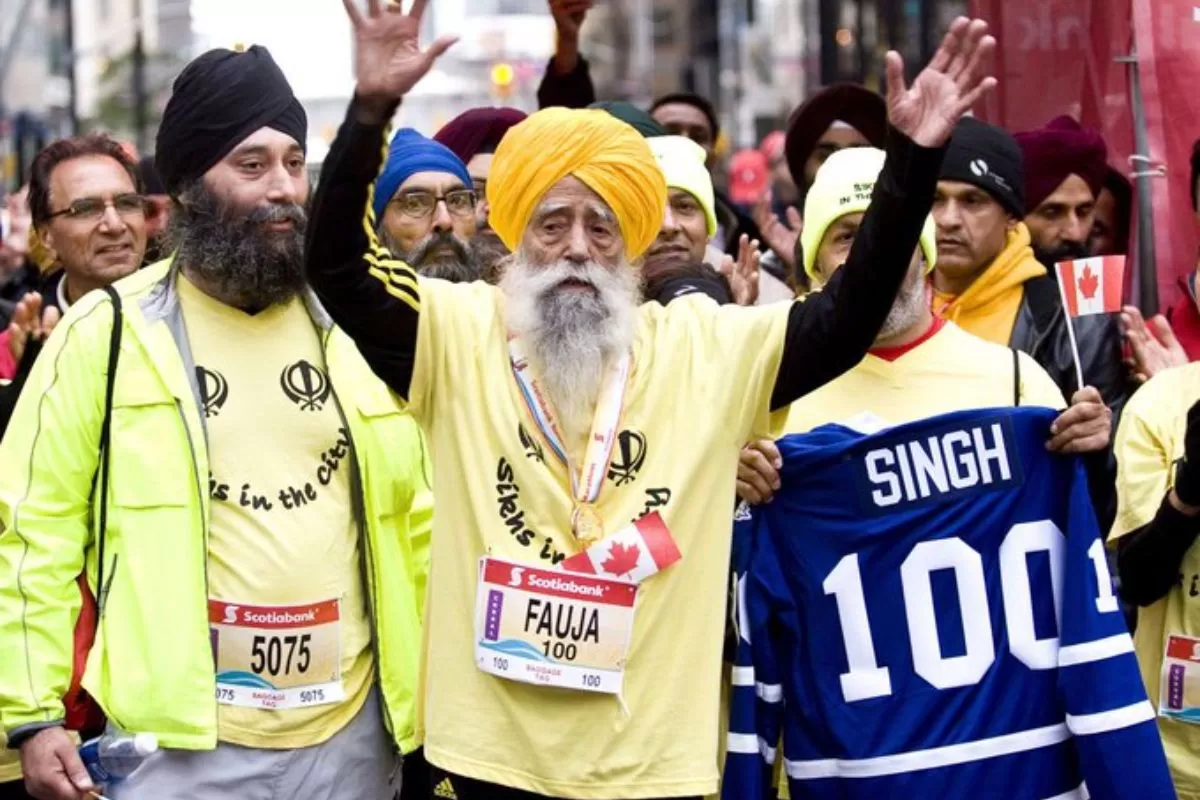
For most people, turning 100 is associated with fragility, limited mobility, and a quiet life far removed from physical challenge. Fauja Singh shattered that expectation. Known worldwide as the “Turbaned Tornado,” he became a symbol of extreme longevity and resilience by continuing to run marathons well past his 90s — and even after turning 100.
Born in 1911 in rural India, Fauja Singh did not begin running seriously until his late 80s. His journey into endurance sports started not from ambition, but from grief and recovery. After losing close family members, he turned to walking as a way to cope. That simple habit gradually evolved into jogging, then long-distance running, and eventually full marathons.
What makes his story remarkable is not only the age at which he ran, but the physiological implications behind it. Scientists and sports physicians have long studied age-related decline, particularly in cardiovascular capacity, muscle mass, and joint resilience. Fauja Singh appeared to defy many of these assumptions, completing marathons at ages when most individuals struggle with basic daily activities.
Medical experts emphasize that Fauja Singh was not an elite athlete in his youth. In fact, he reportedly had difficulty walking as a child due to weak legs. This makes his late-life transformation even more significant. Rather than being the product of lifelong athletic training, his endurance emerged from consistency, discipline, and gradual adaptation.
From a scientific standpoint, his case supports a growing body of research suggesting that the human body retains a surprising capacity for adaptation well into old age. While peak performance inevitably declines, functional endurance can still be developed if stress is applied progressively and recovery is respected.
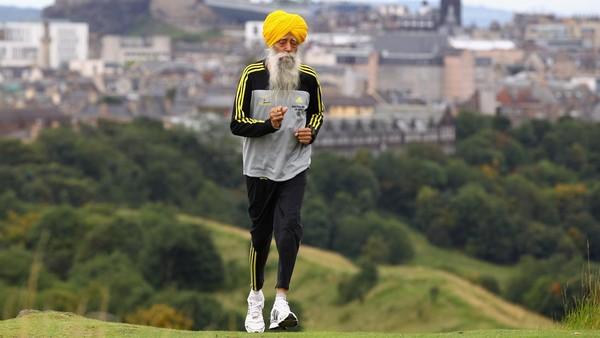
Cardiovascular health played a central role in Fauja Singh’s longevity. Regular aerobic activity improves blood vessel elasticity, reduces resting heart rate, and enhances oxygen delivery to tissues. These adaptations help counteract age-related vascular stiffening, one of the major contributors to cardiovascular disease in older adults.
Equally important was injury avoidance. Fauja Singh did not train aggressively. His running pace was slow by competitive standards, but it was sustainable. Sports scientists often point out that intensity matters less than consistency, especially for older adults. Lower-impact endurance work reduces injury risk while still providing cardiovascular benefits.
Nutrition and lifestyle also contributed to his resilience. Fauja Singh followed a simple diet, emphasizing plant-based foods, hydration, and moderation. There were no extreme dietary rules or performance supplements. His routine reflected balance rather than optimization, a principle increasingly emphasized in longevity science.
Another factor often overlooked is psychological resilience. Aging research consistently shows that mental well-being influences physical health outcomes. Fauja Singh’s positive outlook, sense of purpose, and social engagement through running communities likely played a role in sustaining his motivation and overall health.
It is important to clarify that Fauja Singh’s achievements do not suggest that everyone should run marathons at 100. His story is not a prescription, but an illustration. Longevity experts caution against copying extreme examples without medical guidance. Instead, the lesson lies in the broader principles his life demonstrates: movement as medicine, gradual progression, and the long-term benefits of staying active.
In recent years, researchers have shifted their focus from lifespan to healthspan — the number of years lived with functional independence and quality of life. Fauja Singh’s life embodies this shift. His running was not about records or competition, but about maintaining agency over his body and daily life.
As populations around the world continue to age, stories like his challenge deeply rooted assumptions about what is possible in later decades. Aging, it turns out, is not defined solely by years lived, but by how those years are shaped through daily choices.
Fauja Singh passed away in 2022, but his legacy remains influential in both public imagination and scientific discussion. His life serves as a powerful reminder that while aging is inevitable, decline is not always linear — and sometimes, it can be delayed far beyond what we expect.
- Pameran kesehatan perempuan mempromosikan pemberdayaan - March 27, 2026
- Pujikan Potensi Anak Sikka, Prof Yohanes Surya Dorong Pertumbuhan Sanis di NTT - March 27, 2026
- Apartment fire in Chehalis injures one, displaces 22 residents - March 27, 2026



Leave a Reply