The Hidden Human Toll of Incarceration in Bexar County
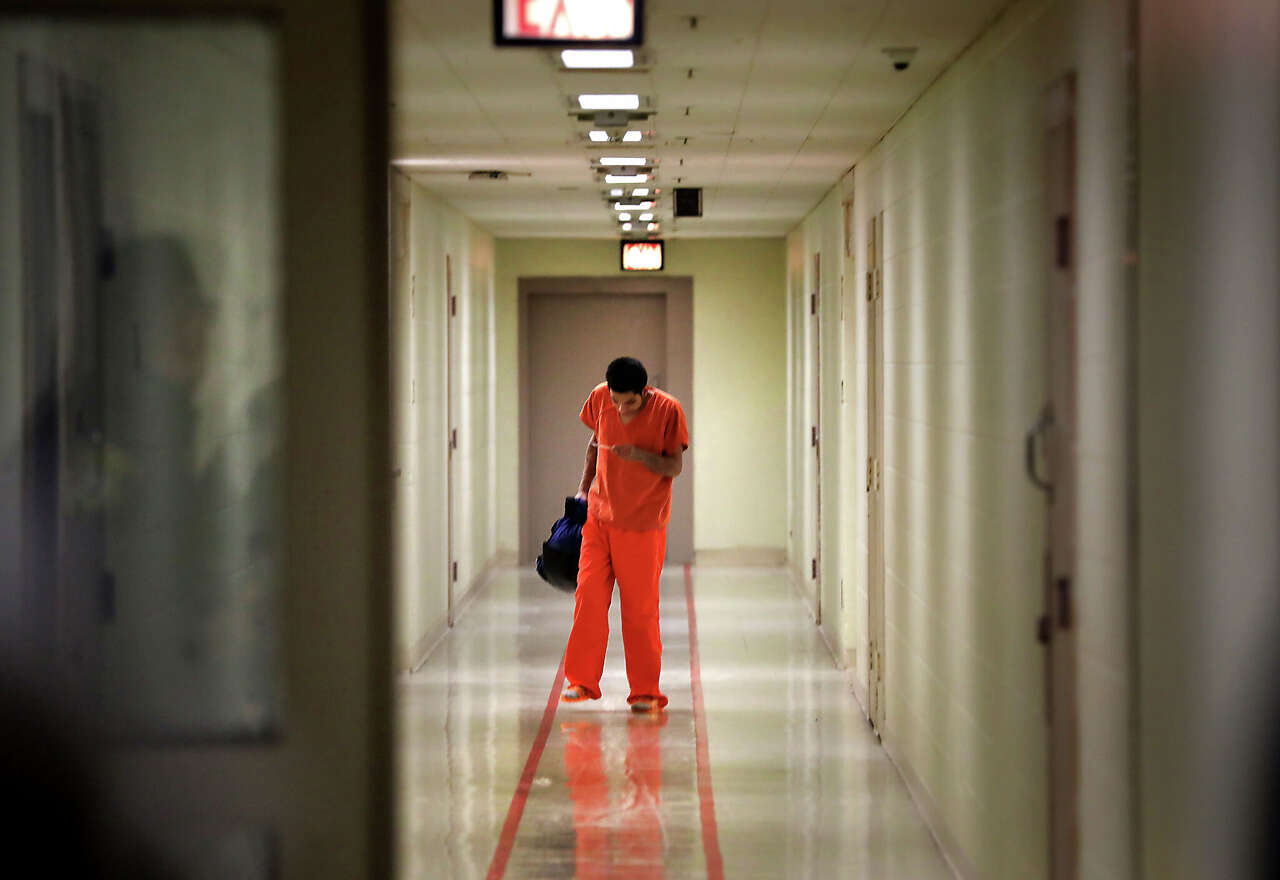
Understanding the Crisis of In-Custody Deaths
The issue of inmate deaths in Bexar County has been brought to light by the Express-News Editorial Board, highlighting a broader national concern. This situation is not an isolated incident but rather a reflection of a larger trend where jails and prisons are increasingly becoming the default response to America’s unmet health and behavioral health needs.
An analysis conducted by the Marshall Project, a nonpartisan, nonprofit news organization focused on the U.S. criminal justice system, examined over 21,000 in-custody deaths nationwide. The findings reveal that among incarcerated individuals under 55, nearly half of the identifiable deaths were due to preventable causes, primarily suicide and drug overdoses. For all age groups, cardiac events were the most common cause, and in about 40% of cases, there was insufficient public information to determine the cause of death.
In Bexar County, as the average daily jail population has grown since 2020, the number of in-custody deaths has remained consistently high, emphasizing the pressure on a system that is increasingly tasked with managing complex health and behavioral health crises.
Community Health Needs and Systemic Gaps
The 2025 Bexar County Community Health Needs Assessment highlights several key priorities, including behavioral and mental well-being, housing stability, and access to care. These themes, identified through community surveys, discussions with residents, and interviews with community leaders, point to persistent gaps in mental health and social support systems. These gaps often become apparent during crises rather than in routine, preventive care settings.
Bexar County’s experience mirrors these national trends. Data from across the country show that suicide and drug-related deaths, including overdoses and withdrawal complications, disproportionately affect younger and medically vulnerable populations in custody.
The Need for Diversion Centers and Early Intervention
Locally, the absence of a diversion center means many low-risk, nonviolent individuals end up in jail because there are no treatment-based alternatives available for substance use and mental health care. A recent study published in JAMA Network Open underscores how deadly incarceration can be. It found that individuals who were incarcerated faced a 39% higher risk of all-cause mortality and more than three times the risk of overdose death compared to those who were never incarcerated.
Moreover, the study revealed that higher county jail incarceration rates were associated with increased overall mortality, even among people who had never been incarcerated. This indicates that the health impacts of incarceration extend far beyond the walls of the jail.
The Path Forward
The Express-News Editorial Board rightly emphasizes the importance of establishing a diversion center. The success of such a center will depend on effective handoffs that ensure continuity of care, including access to medication, peer support, housing navigation, and care coordination to prevent individuals from cycling back into the same system.
At the same time, earlier intervention through youth screening, family support, and school- and community-based pathways can help shift crises upstream. A real countywide commitment requires stable funding, adequate staffing, transparent data, coordinated crisis response, and clear measures of success.
Camerino I. Salazar, Ph.D., is a public health researcher and demographer. He serves as director of research and evaluation at Health Resources in Action and is a board member of the Health Collaborative in Bexar County, where he also is data chair for the 2025 Bexar County Community Health Needs Assessment.

- Pameran kesehatan perempuan mempromosikan pemberdayaan - March 27, 2026
- Pujikan Potensi Anak Sikka, Prof Yohanes Surya Dorong Pertumbuhan Sanis di NTT - March 27, 2026
- Apartment fire in Chehalis injures one, displaces 22 residents - March 27, 2026



Leave a Reply