At 100, She Was Still Sprinting — What Ida Keeling Revealed About Aging, Trauma, and Resilience
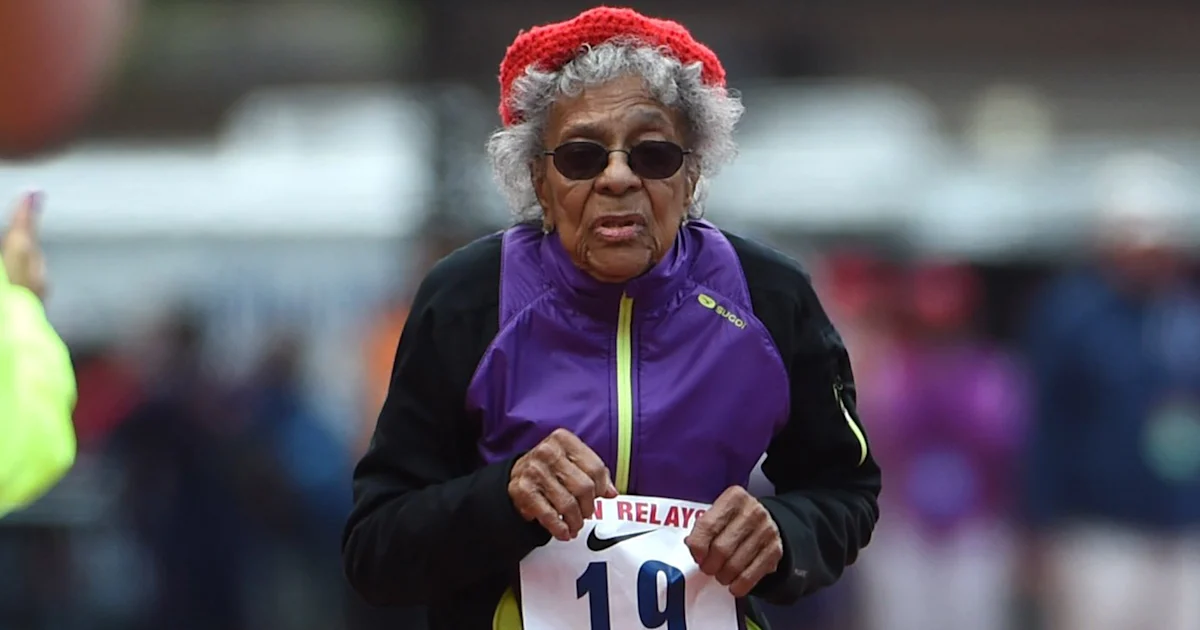
When Ida Keeling stepped onto the track in her later years, spectators often assumed she was there to watch. Instead, she lined up at the starting blocks. At an age when most people have long withdrawn from physical competition, Keeling was sprinting — not walking, not jogging, but running — and breaking records while doing so.
Ida Keeling did not become an athlete in her youth. Her journey into competitive running began later in life, shaped not by ambition, but by survival. Born in 1915 in the United States, she lived through poverty, discrimination, and personal tragedy long before she ever set foot on a track.
Her story is not only about longevity. It is about resilience under extreme emotional and physical stress.
For much of her adult life, Keeling worked as a nurse’s aide while raising four children as a single mother. Exercise was not a priority. Life itself demanded all of her energy. In the early 1980s, tragedy struck when two of her sons were murdered in separate incidents. The trauma was devastating. Depression followed, threatening to consume her.
Running entered her life not as a sport, but as an escape.
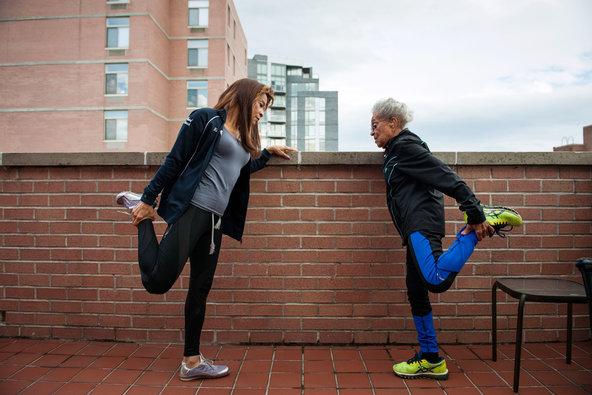
In her late 60s, Keeling began running simply to cope with grief. What started as short jogs gradually became more structured. Over time, movement turned into healing. As her emotional strength returned, her physical capacity followed.
By her 70s, she began competing in masters track events. By her 90s, she was setting world records. At 100 years old, Ida Keeling became the first woman known to run competitive sprint events at that age, completing the 60-meter dash and earning global recognition.
Medical professionals observing her performance were struck by the contradiction it represented. Aging is typically associated with loss of fast-twitch muscle fibers — the fibers responsible for speed and power. Sprinting is often considered one of the first abilities to disappear with age. Yet Keeling retained explosive movement well into her centenarian years.
From a physiological perspective, her case challenged assumptions about neuromuscular decline. Research shows that while muscle mass decreases with age, neural adaptations can persist longer when stimulated. Sprinting requires coordination, reaction time, and motor unit recruitment — systems often thought to deteriorate irreversibly.
Keeling’s continued sprinting suggested otherwise.
Her training was simple and consistent. She did not follow complex programs or extreme regimens. Short sprint intervals, regular practice, and adequate rest formed the foundation of her routine. Importantly, she avoided overtraining. Sessions were brief but purposeful, allowing recovery to play a central role.
This approach aligns with modern geriatric exercise science, which emphasizes intensity control and neuromuscular engagement over volume. While endurance preserves cardiovascular health, short bursts of speed stimulate nervous system pathways that support balance, reaction time, and fall prevention.
Nutrition and lifestyle also contributed to her longevity. Keeling followed a modest diet and avoided excess. There were no supplements marketed as anti-aging solutions. Her longevity emerged not from optimization, but from stability.
Perhaps the most compelling element of her story lies beyond physiology.
Psychologists studying aging increasingly recognize the role of emotional resilience in physical outcomes. Chronic stress accelerates aging through hormonal and inflammatory pathways. Conversely, emotional processing and purpose can mitigate these effects. Running gave Keeling structure, focus, and agency at a time when grief threatened to take everything else.
Her case demonstrates how movement can act as both physical and emotional therapy.
Unlike many centenarian stories framed purely as inspiration, Ida Keeling’s life highlights the intersection of trauma and adaptation. She did not age well because life was easy. She aged well because movement became a means of survival.
From a longevity science perspective, her experience reinforces the concept of healthspan — the years lived with functional independence and vitality. Keeling’s running was never about medals. It was about maintaining control over her body and identity.
Her achievements attracted widespread media attention. Major outlets covered her races not as novelty, but as evidence that aging trajectories vary more than previously believed. She became a symbol of possibility, particularly for women, who face higher risks of osteoporosis, muscle loss, and social isolation in later life.
Importantly, experts caution against misinterpreting her story as a universal prescription. Sprinting at advanced age requires careful supervision and individual assessment. What her life offers is not instruction, but insight.
Aging is not merely biological. It is shaped by psychology, environment, and response to adversity.
Ida Keeling passed away in 2018 at the age of 106. Yet her legacy continues to influence discussions about aging, resilience, and physical capacity. Her life challenges the narrative that decline is inevitable, especially after trauma.
She did not outrun aging. She refused to surrender to it.
And in doing so, she expanded our understanding of what the human body — and spirit — can endure.




Leave a Reply