Why You Get Out of Breath Climbing Stairs
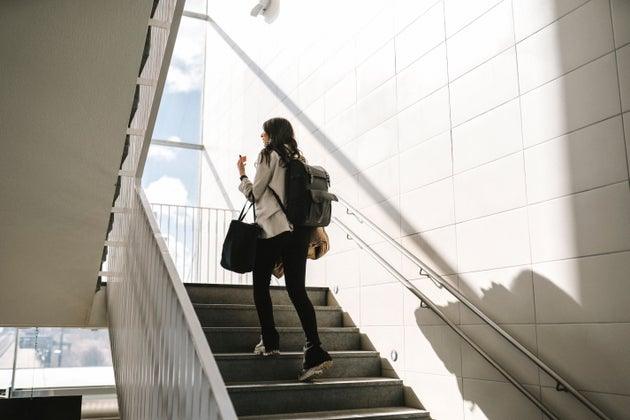
If you’ve ever climbed a flight of stairs, you’ve likely experienced the feeling of being out of breath once you reach the top. This is a common experience for people of all ages and fitness levels. But is it something to be concerned about?
Experts suggest that while it can be normal, it may also signal underlying health issues or serve as a challenge to improve your overall fitness. Here’s what you need to know:
Understanding the Physiological Response
Feeling winded after climbing stairs is often a natural response. According to Dr. Katherine Pohlgeers, a family medicine and sports medicine doctor at University of Louisville Health, “It’s what we call a normal physiological response.” The increased demand on your body during stair climbing requires more oxygen and ventilatory effort.
Karl Erickson, a performance specialist at Mayo Clinic Sports Medicine, adds that it’s quite normal to feel winded. “You’re essentially lifting your body. You’re doing a squat or a lunge when you go up the stairs,” he explains. This makes it more physically demanding than simply walking on flat ground.
What Makes It Normal or Not?
The level of breathlessness can vary depending on several factors. For instance, running up the stairs or carrying a heavy suitcase will make you more out of breath compared to leisurely walking up. Some individuals may not even notice the breathlessness as much as others.
Dr. Pohlgeers notes that elite athletes like Caitlin Clark are unlikely to get winded from climbing stairs. However, for the average middle-aged person, especially in the United States where sedentary lifestyles are common, it’s normal to feel winded after just one flight of stairs.
If you notice a sudden change in your breathing or prolonged breathlessness, it’s important to consult your doctor. While it might be a sign of being out of shape, it could also indicate an underlying issue.
Red Flags to Watch For
There are certain red flags that should not be ignored. If your breathlessness is new or worsening, it’s a good idea to speak with your healthcare provider. As Dr. Pohlgeers says, “Don’t think, ‘Oh, my gosh, I’m dying,’ but also don’t always dismiss it as, ‘Well, I’m out of shape.’”
Underlying conditions such as heart failure, obesity, chronic lung disease, smoking, COPD, and anemia can all contribute to increased breathlessness. Additionally, if your breathing remains elevated for more than three minutes after climbing stairs, it may be a cause for concern.
Other symptoms like chest pain, headaches, or vision changes along with breathlessness should also prompt a conversation with your doctor.
How to Improve Stair-Climbing Endurance
If you want to reduce breathlessness after climbing stairs, start by incorporating more stair climbing into your routine. However, if you have existing health conditions like heart failure or COPD, it’s important to address those first.
Your body adapts to the demands placed on it. Regular stair climbing can help strengthen the muscles needed for climbing, making the task easier over time. As Erickson explains, “If you’re practicing going up the stairs, you become more efficient.”
For those preparing for surgery, doctors often use stair climbing as a pre-op clearance test. “Could you carry groceries up three to four flights of stairs?” Pohlgeers asks. If you can do it without experiencing symptoms like chest pain or vision changes, it’s a positive sign.
Building base strength through exercises like squats and lunges can also improve your ability to climb stairs. Improving cardiovascular fitness can further reduce fatigue at the top of the stairs.
Gradual Progression is Key
When working on building endurance, it’s important to progress gradually. Pohlgeers suggests starting with small steps rather than attempting multiple flights of stairs at once. Whether it’s yard work, walks with a neighbor, or gardening, finding enjoyable ways to build fitness can make the process sustainable.
As your strength and cardiovascular fitness improve, so will your ability to climb stairs with ease. Before long, you’ll be able to tackle back-to-back flights without much difficulty.

- Pasbata: Kami Hadir untuk Efendi, Jangan Sampai Masa Depannya Hilang - April 9, 2026
- Saturday Night Forecast: Unprecedented Heat and Drought - April 9, 2026
- RFK Jr’s Daily Routine: No Breakfast, Meditation With the Deceased - April 9, 2026



Leave a Reply