What Experts Predict Will Dominate Fitness in 2026
Top Fitness Trends for 2026 According to Experts
As we step into the first full workweek of 2026, many are reflecting on their New Year’s resolutions. If improving overall health and well-being was one of your goals, it’s essential to stay informed about the latest fitness trends that could shape your workouts this year.
According to a report from the American College of Sports Medicine, which surveyed over 2,000 clinicians, researchers, and exercise professionals, the fitness industry is evolving rapidly. Their annual Worldwide Fitness Trends forecast highlights what experts believe will be the most prominent trends in 2026.
Wearable Technology
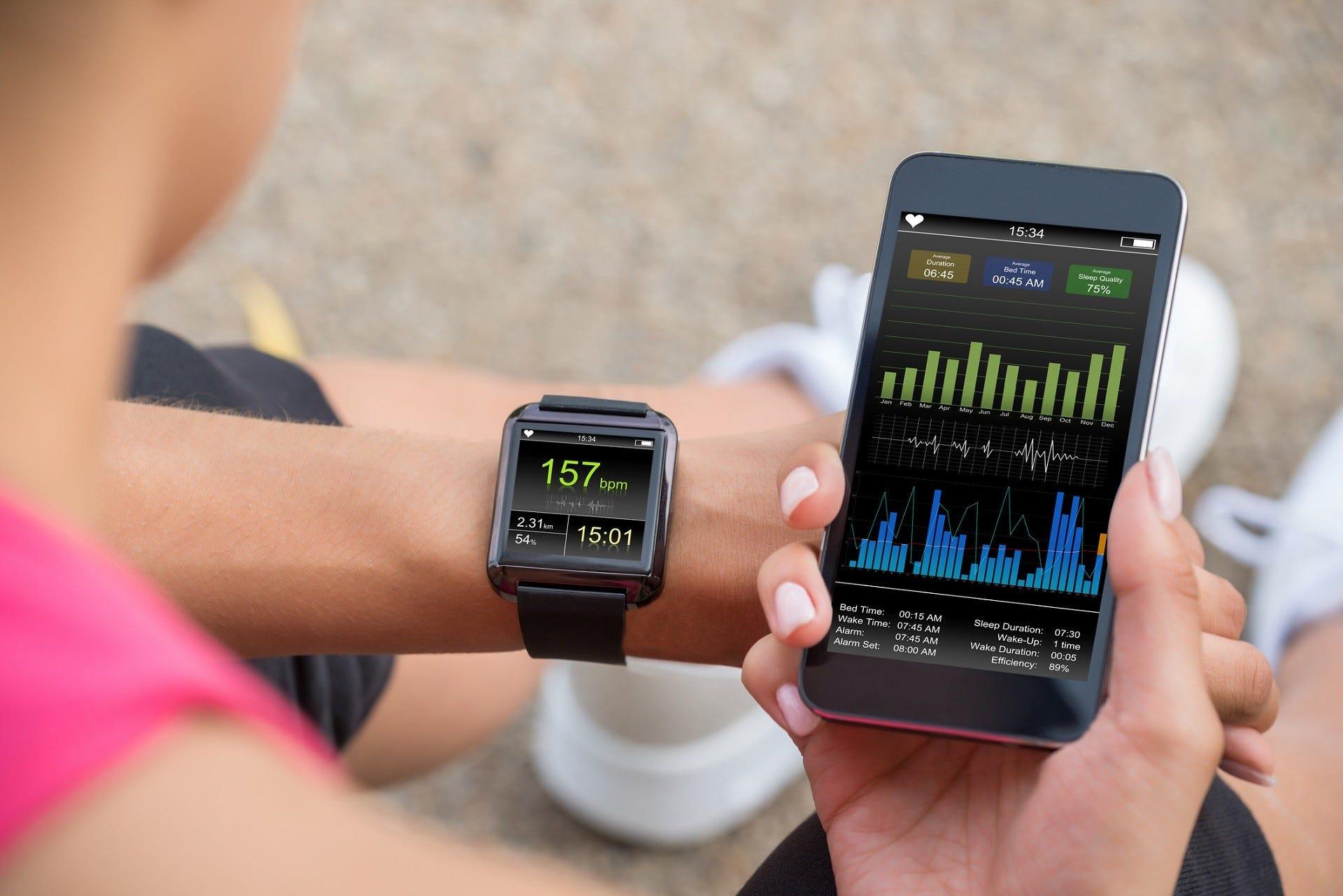
The rise of wearable technology has been significant, with nearly half of all U.S. adults now owning a fitness tracker or smartwatch. These devices have evolved beyond basic step counting, offering advanced biosensors that can monitor fall or crash detection, heart rhythm, blood pressure, blood glucose, and skin temperature.
These features are particularly beneficial for individuals in rehabilitation, beginners, seasoned athletes, and active seniors. The data collected by these wearables can help users track their progress and make informed decisions about their health.
Data-Driven Exercise Programs
Another key trend is the use of data to personalize exercise programs. Over 70% of wearable technology users have reported using the data collected to inform their exercise and recovery strategies. Fitness professionals can also utilize biofeedback to tailor workout intensity, assess readiness, and reduce the risk of overtraining.
Regardless of fitness level, personalized adjustments can help align training with recovery status, making workouts more effective and sustainable.
Fitness Programs for Older Adults
With the aging population, especially the baby boomer generation, there is an increasing demand for age-appropriate fitness programs. By 2030, all 73 million baby boomers will be over 65 years old. Recent reports indicate that older adults now visit gyms and fitness studios more frequently than any other age group.
As this demographic continues to age, the need for evidence-based exercise programs tailored to their specific needs will only grow.
Exercise for Weight Management
With the widespread use of GLP-1 medications for weight management, exercise programs that support lean muscle mass, cardiovascular health, balance, and flexibility are crucial. Research shows that combining exercise with medication leads to greater fat loss and preservation of lean mass compared to medication alone.
This synergy between physical activity and medical treatment can significantly enhance overall health outcomes.
Mobile Exercise Apps
Mobile exercise apps are becoming increasingly popular, offering on-demand, scheduled, live-streamed, and recorded workouts. In 2024, over 345 million people worldwide used fitness apps. These apps tend to attract younger demographics, including Gen Z and millennials, as well as college-educated professional women living in urban areas.
Their convenience and flexibility make them an attractive option for those seeking to maintain an active lifestyle.
Exercise for Mental Health
The connection between the brain and body is well-established, and exercise plays a vital role in mental well-being. A national survey found that 78% of exercisers cite mental or emotional well-being as their primary reason for working out, surpassing physical fitness or appearance goals.
Regular physical activity can improve mood, reduce stress, and enhance cognitive function, making it a powerful tool for mental health.
Adult Recreation and Sport Clubs
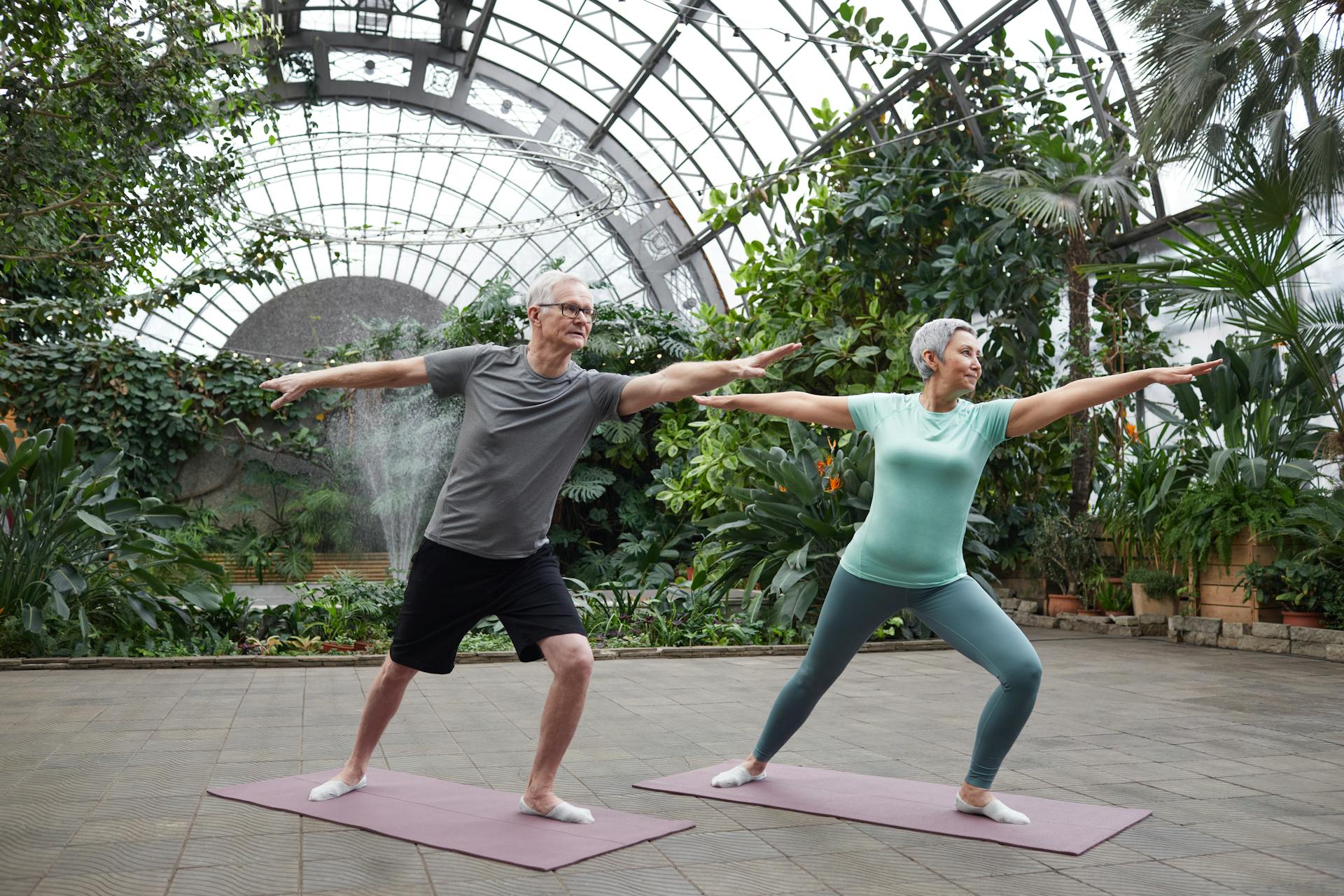
In today’s challenging economic climate, many people are turning to recreational activities that combine fitness with fun and social connection. Pickleball, for instance, has seen a surge in popularity, leading the way in adult recreation. Running clubs and sports leagues in basketball, soccer, softball, and kickball have also gained traction.
These activities offer a sense of community and provide a break from traditional gym settings, making fitness more enjoyable and accessible.
Functional Fitness Training
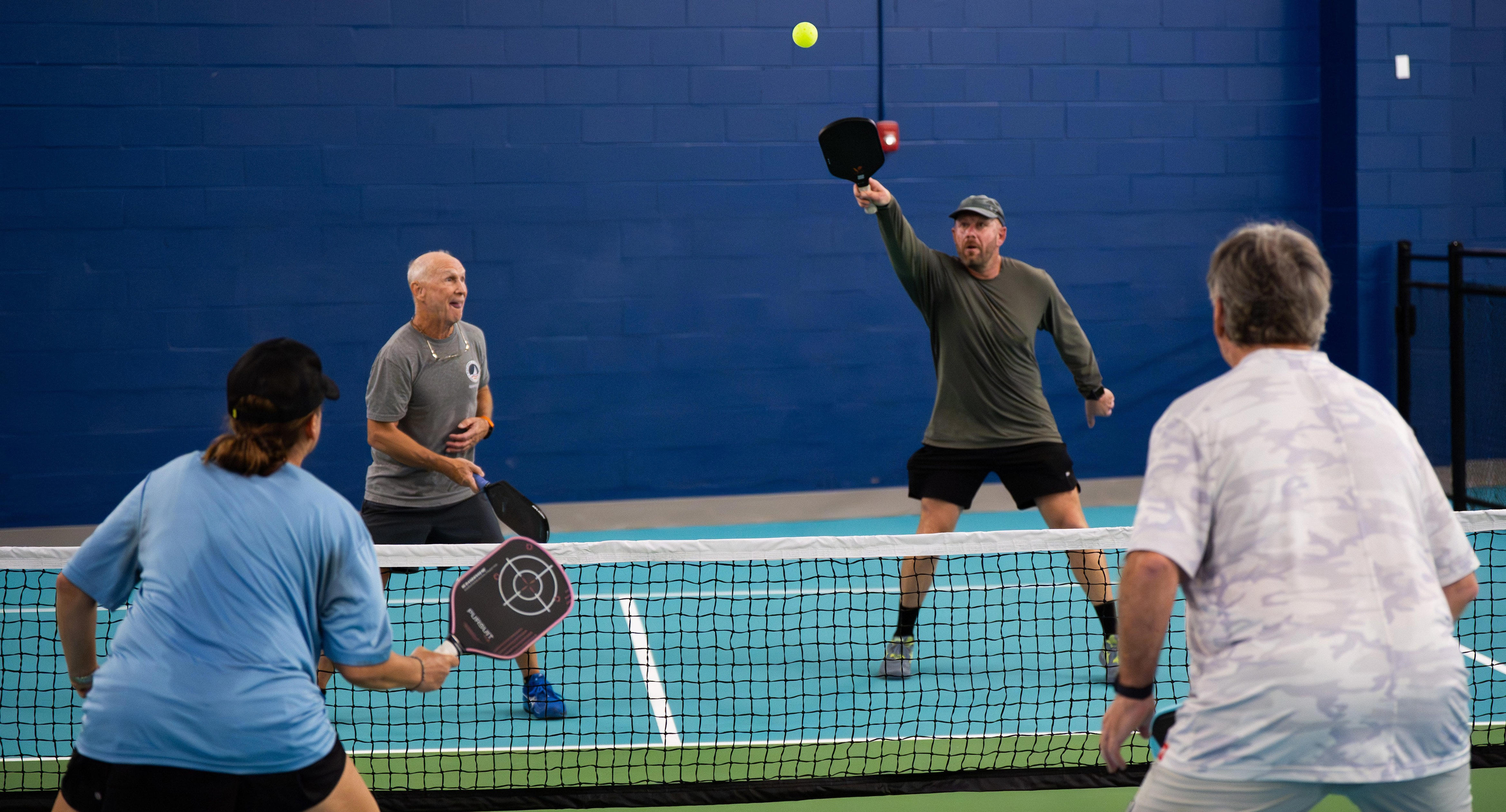
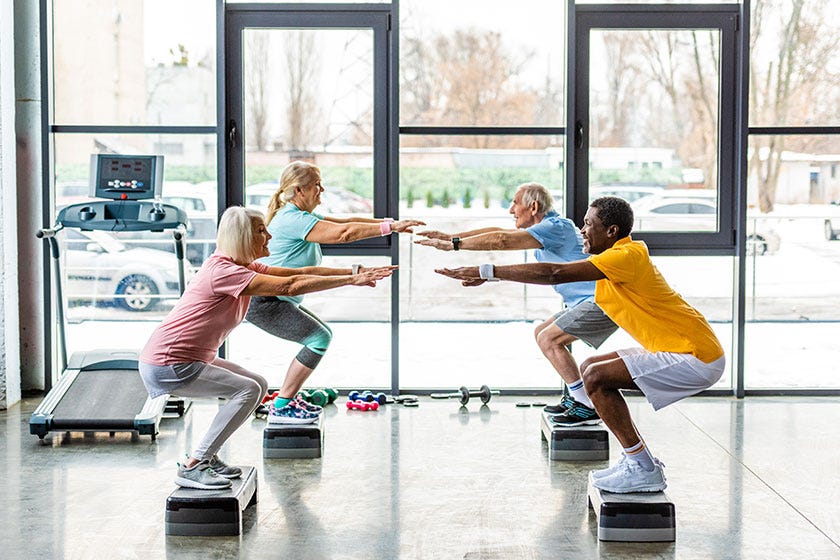
Functional fitness training focuses on movements that mimic daily activities, helping to prevent injury and improve overall mobility. Studies show that without strength-training, individuals can lose up to 30% of their muscle mass between the ages of 30 and 70, with the rate accelerating after 70.
Functional training can mitigate these risks through simple bodyweight exercises such as squats, lunges, planks, and pushups. These movements not only build strength but also enhance balance and flexibility.
As we look ahead to 2026, staying informed about these trends can help individuals make better choices for their health and wellness. Whether through wearable technology, data-driven programs, or community-based activities, there are numerous ways to stay active and engaged in a meaningful way.

- Patch AM: The Final Chapter of a Beloved Wilson Elementary Teacher - April 9, 2026
- Pasbata: Kami Hadir untuk Efendi, Jangan Sampai Masa Depannya Hilang - April 9, 2026
- Saturday Night Forecast: Unprecedented Heat and Drought - April 9, 2026



Leave a Reply