Bangladesh’s Deadly Nipah-like Virus Spreads, Study Warns
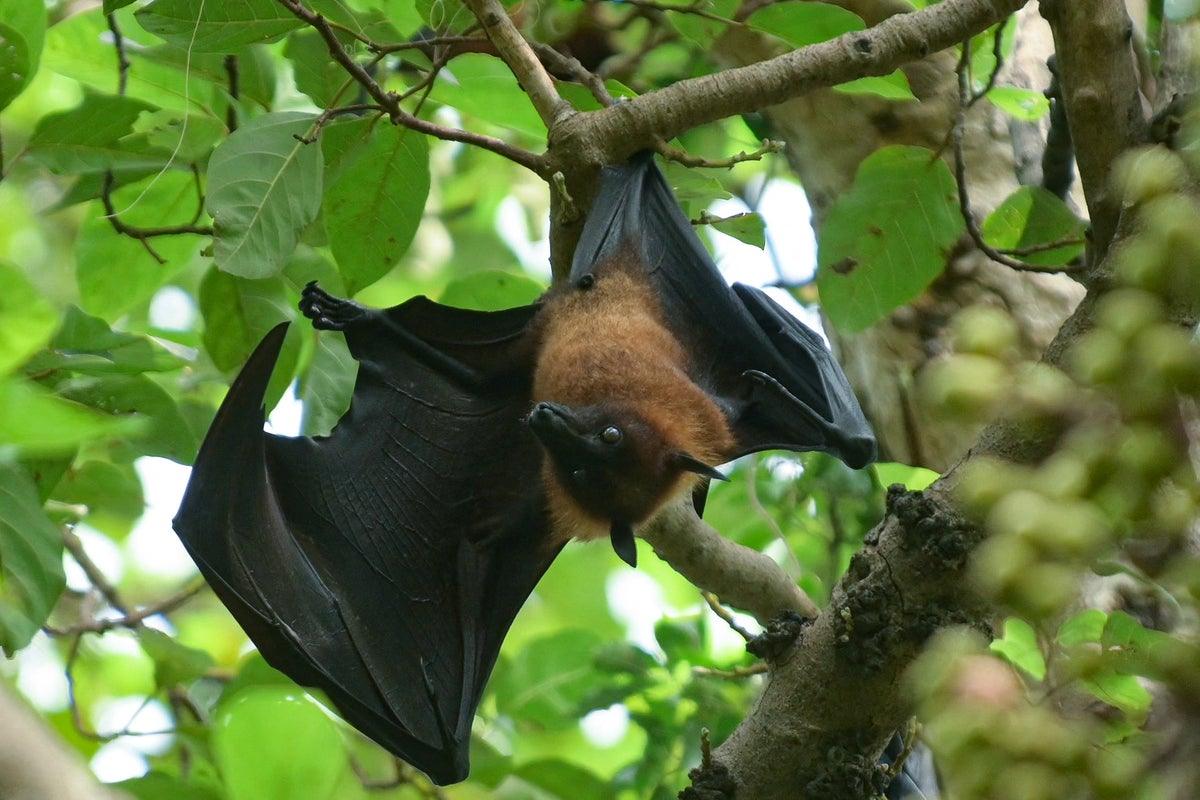
A mysterious illness that initially raised concerns about a Nipah virus outbreak in Bangladesh has now been linked to a different, emerging bat-borne virus. Scientists have identified the cause as Pteropine orthoreovirus (PRV), a pathogen that poses a new public health threat.
Between December 2022 and March 2023, five patients were admitted to hospitals in Bangladesh with symptoms such as fever, vomiting, headache, fatigue, increased salivation, and neurological issues. All of them had consumed raw date-palm sap, a sweet liquid that is also a favorite among bats—known carriers of Nipah virus in the region. However, all five tested negative for Nipah.
Although the patients eventually recovered and were discharged within weeks, three of them continued to experience persistent fatigue, disorientation, and difficulties with breathing and walking. One patient died in 2024 after their health deteriorated and they developed unexplained neurologic ailments.
Recent research has revealed that these cases were actually caused by Pteropine orthoreovirus (PRV), another bat-borne virus. While PRV has been reported in other neighboring countries, the symptoms observed in these cases were notably more severe.
Until now, bats have been recognized as natural reservoirs for several deadly zoonotic viruses, including rabies, Nipah, Hendra, Marburg, and SARS. However, PRV infections in Malaysia, Indonesia, and Vietnam have typically been milder. The severity of the recent cases in Bangladesh suggests a possible change in the virus’s behavior.
Scientists believe that the virus may have undergone genetic reassortment, which could have altered its ability to spread and cause disease. This discovery adds PRV to the growing list of zoonotic viruses found in humans in Bangladesh and highlights the need to consider it when diagnosing illnesses resembling Nipah.
“Our findings show that the risk of disease associated with raw date palm sap consumption extends beyond Nipah virus,” said Nischay Mishra, an author of the study. “It also underscores the importance of broad-spectrum surveillance programs to identify and mitigate public health risks from emerging bat-borne viruses.”
Researchers also discovered genetically similar PRVs in bats captured near the five human cases in the Padma river basin. These findings suggest a potential link between the virus and local wildlife populations.
“We are now working to understand the spillover mechanisms from bats to humans and domestic animals, as well as the broader ecology of emerging bat-borne viruses in communities along the Padma River Basin,” said Ariful Islam, another author of the study.
In regions where raw date palm sap is commonly consumed, researchers recommend that medical surveillance and diagnosis of respiratory illnesses should include testing for PRV, NiV, and other bat-borne viruses. This proactive approach could help prevent future outbreaks and improve public health responses.
The Independent is the world’s most free-thinking news brand, providing global news, commentary and analysis for the independently-minded. We have grown a huge, global readership of independently minded individuals, who value our trusted voice and commitment to positive change. Our mission, making change happen, has never been as important as it is today.




Leave a Reply