38,000 Gallons of Grocery Water Recalled After FDA Alert
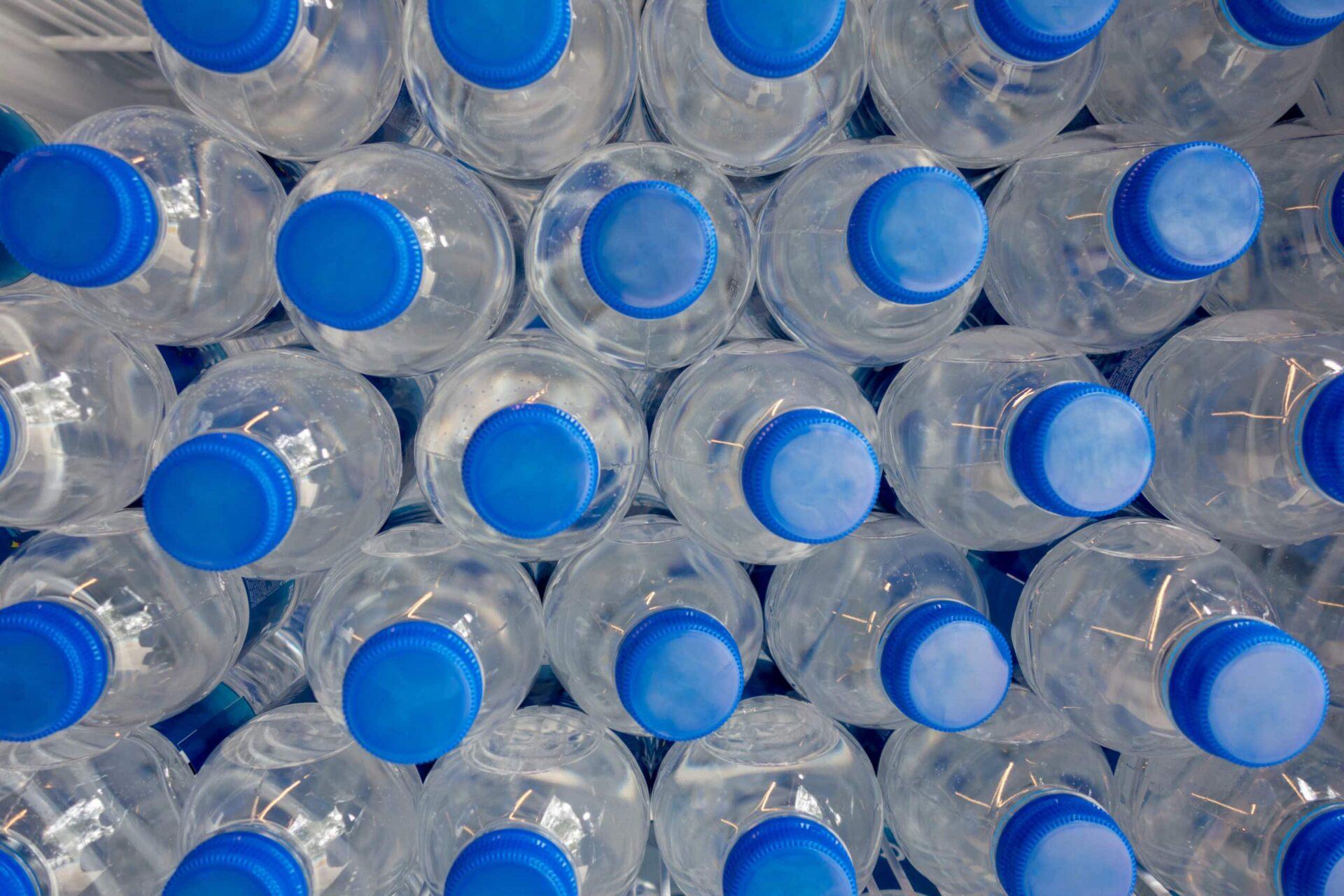
A major grocery retailer has issued a voluntary recall of more than 38,000 gallons of distilled water after federal regulators identified the presence of an unidentified black substance in the product. The affected product is Meijer Steam Distilled Water, which is sold in one-gallon containers across six states: Illinois, Indiana, Kentucky, Michigan, Ohio, and Wisconsin.
According to the Food and Drug Administration (FDA), the recall was initiated due to reports of a floating black foreign material found in the product. However, the agency has not publicly identified the substance or explained how it entered the product. This lack of transparency has raised concerns among consumers and health advocates alike.
Why Contaminated Distilled Water Carries Elevated Health Risks
Distilled water is specifically used in situations where purity is essential, as the distillation process removes bacteria, minerals, and other contaminants that may remain in filtered water. Unlike regular bottled water, distilled water is often used in medical and sensitive applications.
Consumers commonly rely on distilled water for infant formula preparation, respiratory therapy devices, neti pots, and medical equipment used in home care settings. Because of these sensitive uses, contamination in distilled water may pose greater risks than in standard bottled water, particularly for infants, immunocompromised individuals, and patients receiving medical treatment at home.
The presence of an unknown contaminant in such a critical product raises serious concerns about the safety of everyday consumer goods and the effectiveness of current regulatory oversight.
Delayed Federal Classification Fuels Broader Safety Concerns

Although Meijer initiated the recall in November, public reporting of the issue did not surface until January, and the FDA did not assign a formal risk classification until January 20. The agency ultimately categorized the recall as Class 2, meaning exposure could cause temporary or medically reversible health effects, while the likelihood of severe outcomes remains low.
Food safety advocates note that similar delays have occurred in recent recalls, raising questions about whether reduced staffing and oversight have slowed the federal response to emerging risks. These delays can leave consumers vulnerable for extended periods, increasing the potential for harm before corrective actions are taken.
Former Officials Warn of a Weakened Public Health Safety Net
Former FDA and USDA officials have publicly expressed concern that cuts to federal agencies have eroded the nation’s ability to monitor food and consumer product safety effectively. Several warned that diminished inspection capacity and delayed public alerts could leave Americans vulnerable to preventable health risks.
They argue that the long-term consequences of such underfunding may undermine the country’s standing as a global leader in public health protection. Industry analysts echoed these concerns, noting that weakened oversight could also disrupt supply chains and erode public trust in regulatory institutions.
These experts caution that lapses in safety monitoring may disproportionately affect vulnerable communities, who rely most on timely inspections and clear guidance. Such lapses could ultimately increase healthcare costs tied to preventable outbreaks or product-related injuries.
The Broader Implications for Consumer Safety
The Meijer distilled water recall highlights a growing trend of delayed responses and limited transparency in food and consumer product safety. As federal agencies face budget constraints and staffing shortages, the ability to quickly identify and address potential hazards diminishes.
This situation underscores the need for stronger oversight, increased funding for regulatory bodies, and more transparent communication with the public. Consumers deserve clear, timely information about the safety of the products they use, especially when those products are intended for medical or infant care.
Without robust safeguards, the risk of contamination and subsequent health issues will continue to rise, threatening the well-being of millions. It is crucial that both government agencies and private companies take proactive steps to ensure the safety of consumer products and maintain public trust in the systems designed to protect them.

- Pasbata: Kami Hadir untuk Efendi, Jangan Sampai Masa Depannya Hilang - April 9, 2026
- Saturday Night Forecast: Unprecedented Heat and Drought - April 9, 2026
- RFK Jr’s Daily Routine: No Breakfast, Meditation With the Deceased - April 9, 2026


Leave a Reply