Strong roots for small local farms in South Dakota
A Diverse Approach to Farming in South Dakota
Nestled just outside Sturgis, South Dakota, Bear Butte Gardens is a small but vibrant organic farm that has found creative ways to thrive in an ever-evolving market. The farm’s produce stand, located along a dirt road, may seem unassuming at first glance, but it serves as the gateway to a broader network of services and products that support the Grosek family’s 80-acre operation.
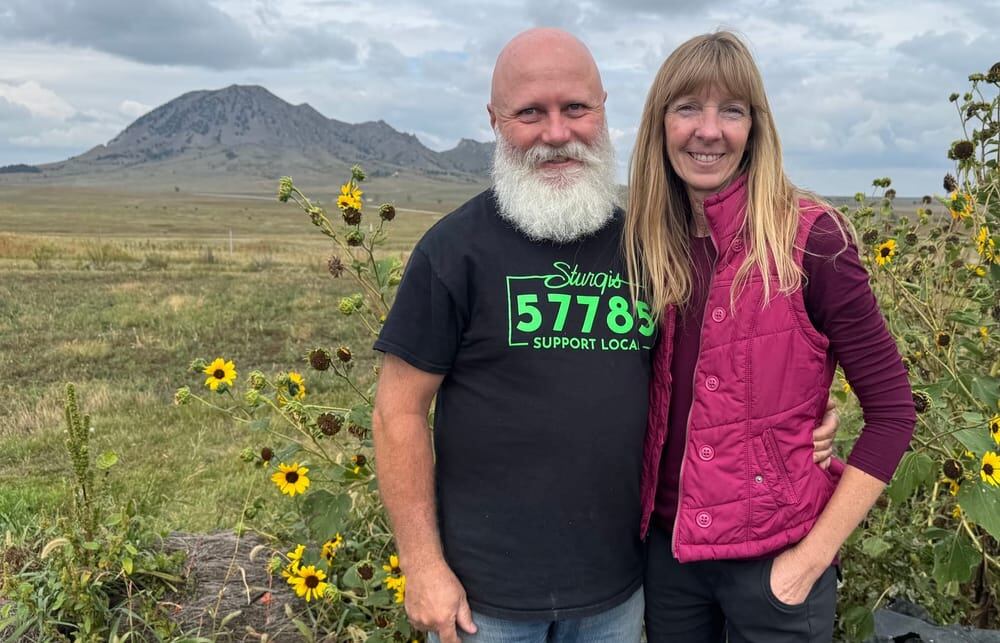
Michelle and Rick Grosek, co-owners of Bear Butte Gardens, have built their business on a foundation of diversity. While the seasonal vegetables sold at their stand remain a key revenue stream, they have expanded their offerings to include home-cooked foods, farm tours, cooking and gardening classes, and even special events like a five-course mushroom dinner. These initiatives not only attract customers but also help maintain the financial stability of their organically certified farm.
Expanding the Farm Experience
The Groseks have also embraced the growing trend of experiential agriculture. They host community festivals, such as a woolen fiber festival where sheep are sheared and a Winter Wonderland Festival featuring Rick in a Santa Claus costume. These events bring people together and create a sense of connection with the land and its traditions.
In addition to these activities, the farm welcomes travelers through an Airbnb-style rental home, offering visitors a unique opportunity to experience life on a working farm. The property is situated near the iconic Bear Butte geological formation, providing a scenic backdrop for those seeking a deeper connection with nature.
Training for the Future
Looking ahead, the Groseks are also preparing for new roles within the agricultural sector. They are currently training to become organic farm inspectors for the U.S. Department of Agriculture (USDA), a step that reflects their commitment to sustainability and quality standards.
“We’re going strong, but we do a lot of diverse things with our products so we don’t have all our eggs in one basket,” Michelle said. Despite a slow sales year in 2025, likely due to economic challenges and reduced tourism, the demand for locally grown foods continues to rise.
Rising Demand for Local Produce
Angela Jackson, an organic transition advisor with the South Dakota Specialty Producers Association, noted that the demand for locally grown vegetables and meats is increasing across the state. She highlighted that many young families are seeking out these products, driven by a desire for healthier and more sustainable food options.
Jackson works with farmers to navigate the process of becoming USDA-certified, which allows them to legally label their products as organic. This certification provides consumers with assurance about how their food is produced and can lead to higher prices for farmers.
However, South Dakota remains in the bottom third nationally in terms of the number of USDA-certified farms and livestock operations. In 2022, the state had 124 certified producers, but that number dropped to 87 by December of the same year. Jackson attributed this decline to the high costs and bureaucratic hurdles associated with certification.
Keeping Revenues Local
Despite these challenges, Jackson emphasized the importance of local farms in keeping agricultural dollars within the state. By growing, processing, and packaging food on the farm, producers can avoid losing money to out-of-state processors. This approach not only increases net profits but also supports the local economy and environment.
“I believe that it’s better for the environment and it helps rural communities,” Jackson said, highlighting the benefits of local food systems.
Challenges in South Dakota
Blake Pulse, a researcher at South Dakota State University, pointed out that the state’s geography and low population pose challenges for small producers. Unlike traditional crops such as corn and soybeans, fresh fruits and vegetables require more effort to reach consumers.
“Buying South Dakota-grown products requires more labor on the consumer’s part because we haven’t reached the institutional and grocery store level for those goods yet,” Pulse said. However, he noted positive developments, such as the growth of food hubs that allow producers to combine efforts and reach larger markets.
Success in Organic Poultry Production
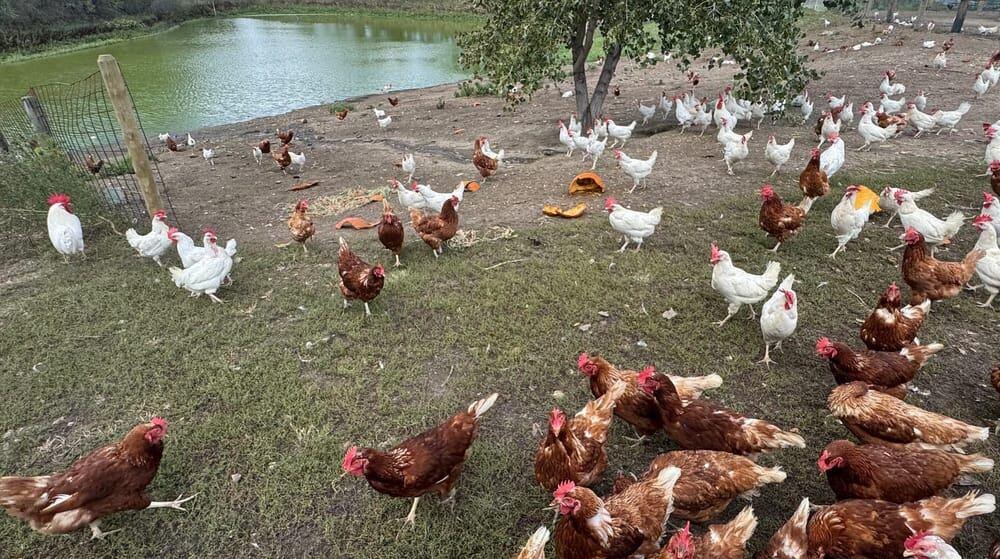
One example of success in the local food movement is Odessa Farms, a small organic chicken production facility in Butte County. Owners Meghan and Joe Volk have seen steady growth, doubling their production each year. Their chickens are raised free-range and fed organic grain, resulting in a richer flavor and higher quality meat.
“We don’t compete with Walmart or any big box stores on quantity, but they can’t compete with us for quality,” Megan Volk said. The Volks’ focus on humane treatment and local sourcing has helped them build a loyal customer base.




Leave a Reply