Flu outbreak surges in South Carolina as students return to school
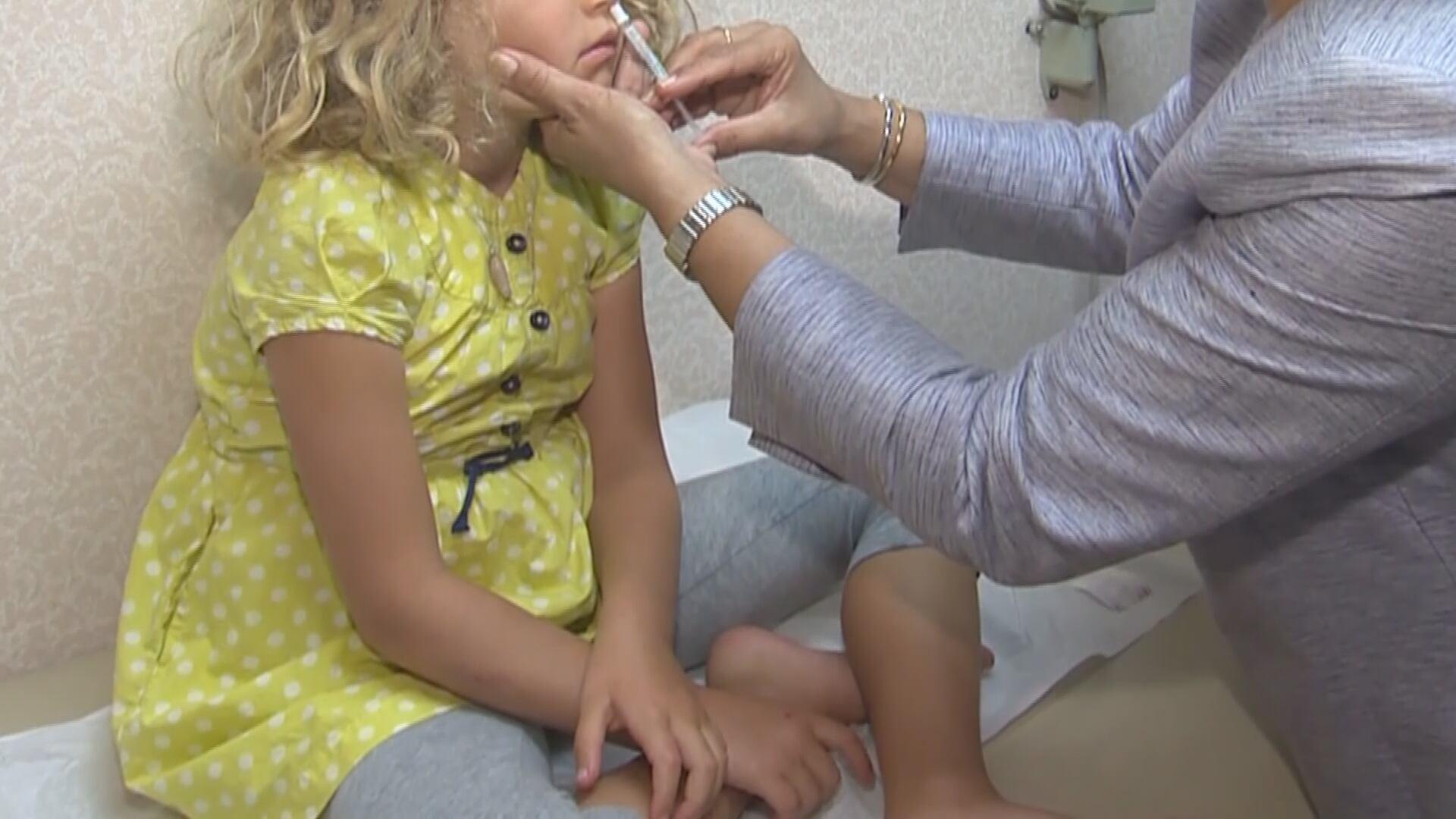
A Severe Flu Season Hits South Carolina
CHARLESTON, S.C. — As students return to classrooms across the Lowcountry, health officials are sounding the alarm about a particularly severe flu season. The state is experiencing one of the worst outbreaks in recent years, with cases surging after the holidays and hospitals already struggling to manage the influx of patients.
The U.S. has seen a sharp rise in flu infections nationwide during the holiday period, prompting health officials to label this season as severe and potentially worsening. New federal data released on Monday indicates that this year’s flu activity is already surpassing last winter’s epidemic, which was one of the most challenging in recent history. This comes as the Trump administration announced it will no longer recommend flu shots and some other vaccines for all children.
South Carolina now ranks among the five worst states in the country for flu cases, according to the Centers for Disease Control and Prevention. The South Carolina Department of Health reported nine flu-related deaths during the final full week of December alone. Doctors say the timing is especially concerning as students head back to school, increasing opportunities for the virus to spread.
State health data showed 735 flu-related hospitalizations during the week of Dec. 27, along with nearly 12,000 confirmed cases across South Carolina. In the Lowcountry, hospitals report that cases have nearly doubled from November to December.
Novant Health East Cooper Medical Center reported 30 diagnosed flu cases in December, along with an uptick at Novant clinics and urgent care locations, according to a statement from hospital officials. Novant’s other South Carolina hospitals in Hilton Head and Hardeeville reported a similar increase, rising from about 150 cases in November to nearly 300 in December.
Contributing Factors and Concerns
Health officials believe an influenza A strain that is not well-matched to this year’s flu vaccine may be contributing to the early surge. However, doctors emphasize that vaccination can still reduce symptoms, lower the risk of complications, and help keep people out of the hospital.
Dr. Stephen Thacker, a pediatric infectious disease specialist at MUSC Shawn Jenkins Children’s Hospital, highlighted declining vaccination rates and the risk to vulnerable populations as major concerns as flu activity intensifies.
“Every season that we have flu circulating, we see loss of life and harm that reaches both adults and kids,” he said. “What we know from prior experience is that there are certain individuals who are going to be at a higher risk for complications.”
Thacker pointed out that groups such as young infants and children, as well as people of any age with underlying health conditions, are at higher risk. This includes anyone with asthma, diabetes, heart conditions, or other lung conditions, which puts them at a higher risk for complications if they’re exposed to the flu. He also noted that those aged 65 and older face a higher risk of needing hospitalization and complications if infected.
Recommendations for Families
Thacker emphasized that the early surge should prompt families to consider how their choices affect others. He encouraged everyone to think about how they are taking care of themselves and their community.
“I think this early surge could be a moment for everyone to think about ‘how am I taking care of myself and how am I taking care of my community in that process?’ and really thinking about those around you, both friends and family. Are you protecting yourselves with safe vaccines against these things so that we can mitigate the spread of infection in our community?” he said.
He also warned that holiday gatherings and the return to school create ideal conditions for the virus to circulate and urged parents to keep sick children home.
“Don’t send kids to school sick,” Thacker said. “We know as we concentrate kids in school and group environments that it’s very easy to share these viruses and create more infections in our community.”
Preventive Measures
Doctors recommend frequent handwashing, covering coughs and sneezes, and understanding personal risk factors such as age or chronic and autoimmune conditions. Above all, they urge anyone who feels sick to stay home to help slow the spread.
- Stay home if you feel unwell.
- Wash hands frequently with soap and water.
- Cover coughs and sneezes with a tissue or your elbow.
- Consider getting vaccinated even if the strain is not perfectly matched.
- Keep sick children away from school and public spaces.
These steps are essential in reducing the spread of the flu and protecting vulnerable members of the community.




Leave a Reply