Trump Defends Venezuela Move, Says ‘We’re Keeping the Oil’
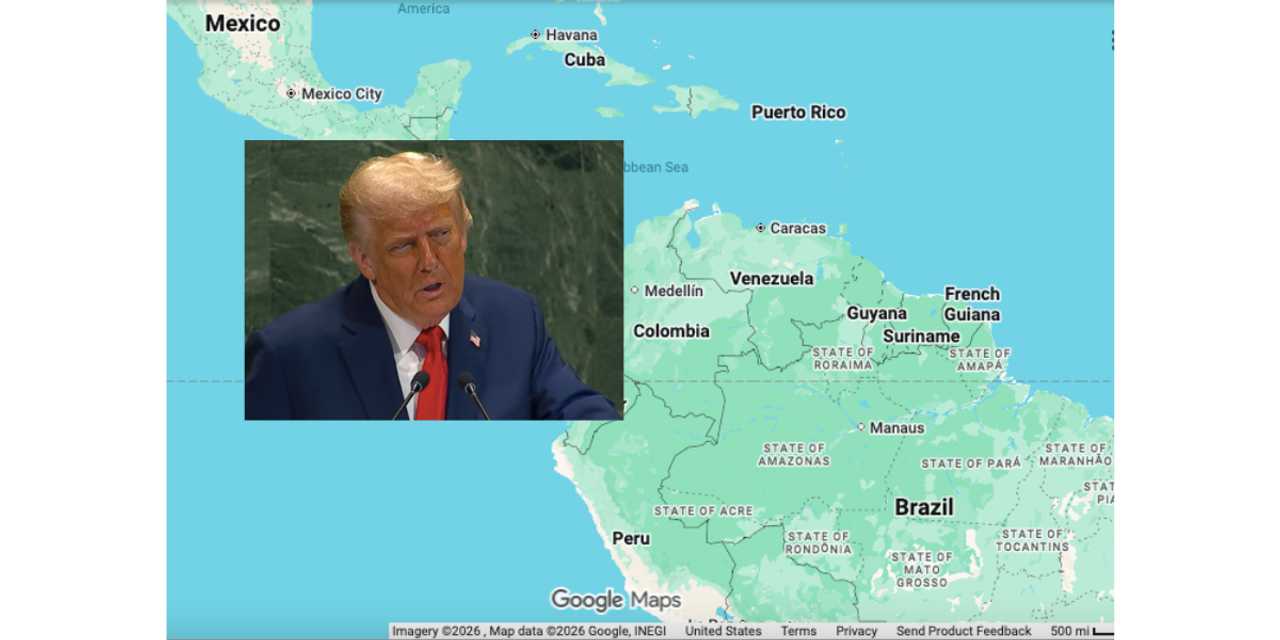
President Trump’s Venezuela Strategy and Oil Ambitions
President Donald Trump has made it clear that the United States’ approach to Venezuela is fundamentally different from its actions during the Iraq War. In a phone interview with MS NOW’s Joe Scarborough, Trump emphasized that the U.S. intends to “keep the oil” as part of its operations in the South American nation. He framed this strategy as a means to rebuild Venezuela’s energy sector and recover costs through future revenue.
“We have to nurse the country back to health,” Trump stated during the interview, which was broadcast on Tuesday, January 6. “A tremendous amount of money has to be spent, and the oil companies will spend it, and then they’ll get reimbursed by us or through revenue.” This statement highlights a potential model where private oil companies invest in infrastructure, only to be compensated through U.S. support or future production revenues.
Trump drew a clear distinction between the Iraq War under former President George W. Bush and the current situation in Venezuela. The latter involved the U.S. apprehending Venezuelan leader Nicolás Maduro and his wife, Cilia Flores, on drug charges. Both pleaded not guilty in a court hearing on Monday, January 5, in New York City.
“The difference between Iraq and this is that (the U.S.) didn’t keep the oil. We’re going to keep the oil,” Trump said. He also referenced his 2016 remarks about the importance of keeping oil, noting that it caused controversy at the time. “Well, we should have kept the oil. And we’re going to rebuild their broken-down oil facilities, and this time we’re going to keep the oil.”
This approach suggests a strategic plan that involves private oil firms investing in infrastructure, followed by reimbursement through U.S. support or future production revenue. Trump argued that retaining oil revenues would fund stabilization and reconstruction while differentiating the effort from the Iraq War.
Legal Proceedings and Maduro’s Response
During their first court appearance in Manhattan, Maduro described the U.S. action as a kidnapping. While leaving the courtroom, he told an onlooker, “I will be free.” His comments reflect the strong opposition and emotional response from the Venezuelan leadership to the U.S. legal actions against them.
Despite these developments, officials have not provided a detailed timetable for Venezuela’s political transition or how oil assets would be managed under international law. More information is expected in the coming days, as the situation continues to evolve.
Broader Implications and Future Outlook
The U.S. strategy in Venezuela raises several questions about the long-term implications of maintaining control over oil resources. Trump’s emphasis on rebuilding the energy sector could signal a broader shift in how the U.S. engages with resource-rich nations. However, the success of such an approach depends heavily on international cooperation, legal frameworks, and the stability of the region.
The situation also underscores the complex interplay between geopolitics, economic interests, and legal proceedings. As the U.S. moves forward with its plans, it will need to navigate these challenges carefully to avoid further destabilizing the region.
Related Stories
- Maduro, Wife Plead Not Guilty In First NY Court Appearance: ‘I Will Be Free’
- Online Predators, Harmful AI In Crosshairs As NY Moves To Protect Kids
- Sen. Kelly Responds As Hegseth Moves To Cut His Military Pension, Rank

- Bella Hadid’s Regretted Nose Job Revealed in Side-by-Side Photos - March 31, 2026
- Jadwal relawan Rumah Sakit Memorial Jacksonville - March 31, 2026
- Startup lahir dari kampus, UNM hasilkan inovator digital muda - March 31, 2026
Leave a Reply