Ban on Unhealthy Food Ads to Take Full Effect
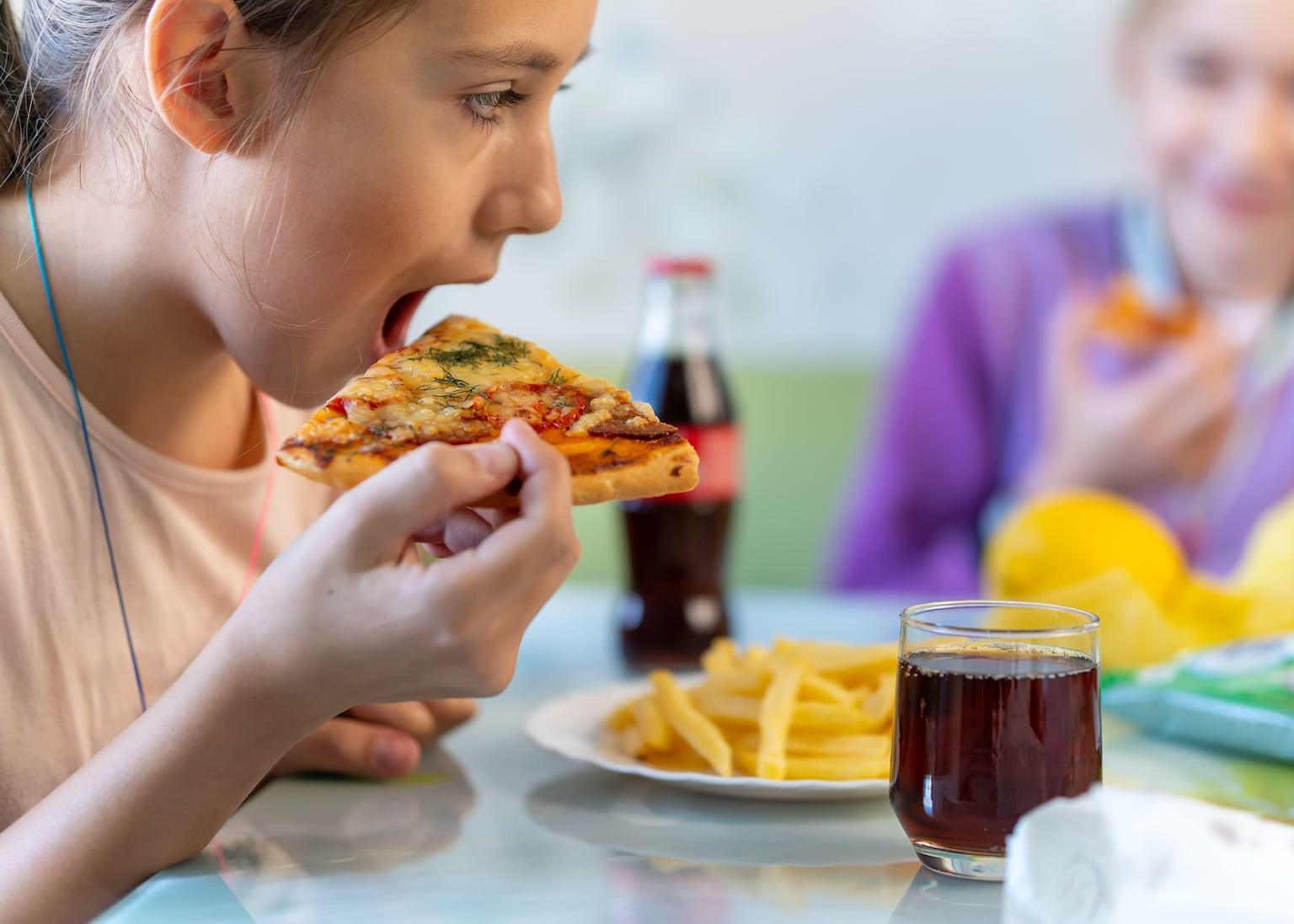
New Advertising Restrictions Aim to Combat Childhood Obesity
A new set of advertising restrictions has come into effect, targeting unhealthy food and drink products to help address the growing issue of childhood obesity. These rules are designed to limit the exposure of children to marketing for foods high in fat, salt, and sugar (HFSS), which are known to contribute to poor health outcomes.
The ban specifically prohibits ads for “less healthy” food and drinks from appearing on television between 5:30 am and 9 pm, as well as online at any time. This follows a voluntary phase that started on October 1, during which advertisers were encouraged to comply with the upcoming rules. Now, they must adhere strictly to these regulations or face potential action from the Advertising Standards Authority (ASA).
Categories Affected by the Ban
The restrictions apply to products within 13 categories that are most closely linked to childhood obesity. These include soft drinks, chocolates and sweets, pizzas and ice creams, breakfast cereals and porridges, sweetened bread products, and main meals and sandwiches. Each product is evaluated using a scoring tool that considers its nutrient content and whether it is high in saturated fat, salt, or sugar. Only items that meet both criteria are included in the restrictions.
However, companies can still advertise healthier versions of these products. The government hopes this will encourage food manufacturers to reformulate their recipes to make them more nutritious. For example, plain porridge oats and most porridge, muesli, and granola products will not be banned, but some less healthy options with added sugar, chocolate, or syrup may still be affected.
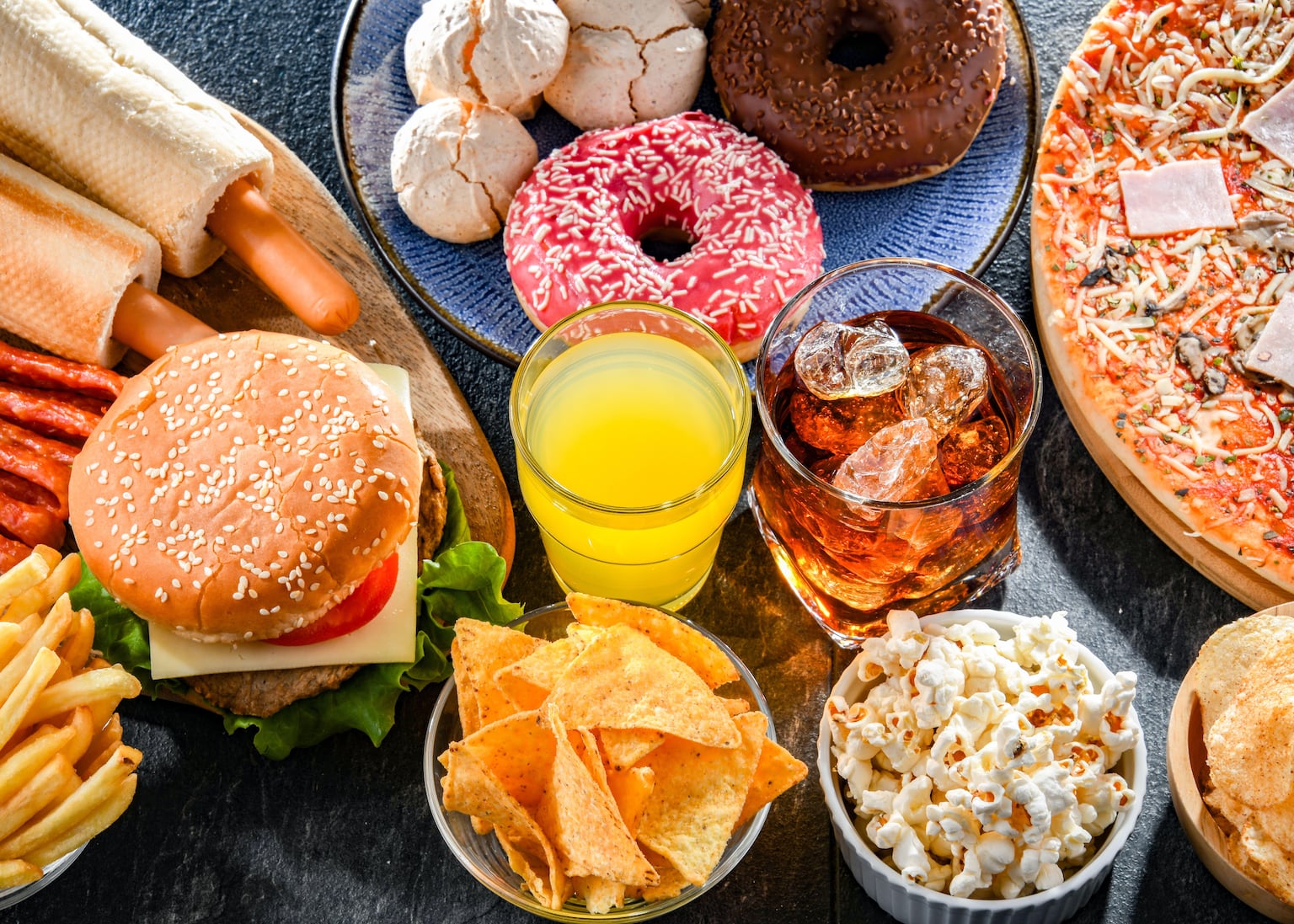
Targeting Children’s Exposure
The new rules focus on ads where unhealthy products can be clearly identified by viewers. This means that brands can still promote their names, even if specific products are restricted. Previously, HFSS products were not allowed to be advertised when more than 25% of the audience was under 16 years old.
Recent data shows that one in 10 reception-aged children are obese, and one in five children have tooth decay by the age of five. Obesity costs the NHS over £11 billion annually, highlighting the urgent need for intervention. Research indicates that children’s exposure to advertisements for unhealthy food can significantly influence their eating habits, increasing their risk of becoming overweight or obese.
Impact and Expert Opinions
The government estimates that the ad ban could prevent around 20,000 cases of childhood obesity. Katherine Brown, professor of behavior change in health at the University of Hertfordshire, praised the move as a “watershed” step, calling it long overdue. She emphasized that children are highly susceptible to aggressive marketing of unhealthy foods, which increases their risk of developing obesity and related chronic diseases.
However, she also pointed out that the policy came into force three years after it was initially proposed, due to repeated delays, cutbacks, and industry pressure. While restrictions on promotions of HFSS products are a positive step, she stressed that they must be part of a broader, long-term strategy. This includes addressing inequalities, supporting healthier local food environments, and making nutritious options more affordable, accessible, and appealing.

- More Trees Could Cool Raleigh’s Heat Islands, Experts Say - March 31, 2026
- Lowongan Kerja Jambi 19 Maret 2026: Honda dan Hyundai Butuh Karyawan - March 31, 2026
- Ohio State Wexner Medical Center mencapai milestone dengan penerangan Block O - March 31, 2026


Leave a Reply