Mayo Clinic Cuts Six Minnesota Clinics in Major Rural Healthcare Shift


The Closures: Six Clinics Shuttered
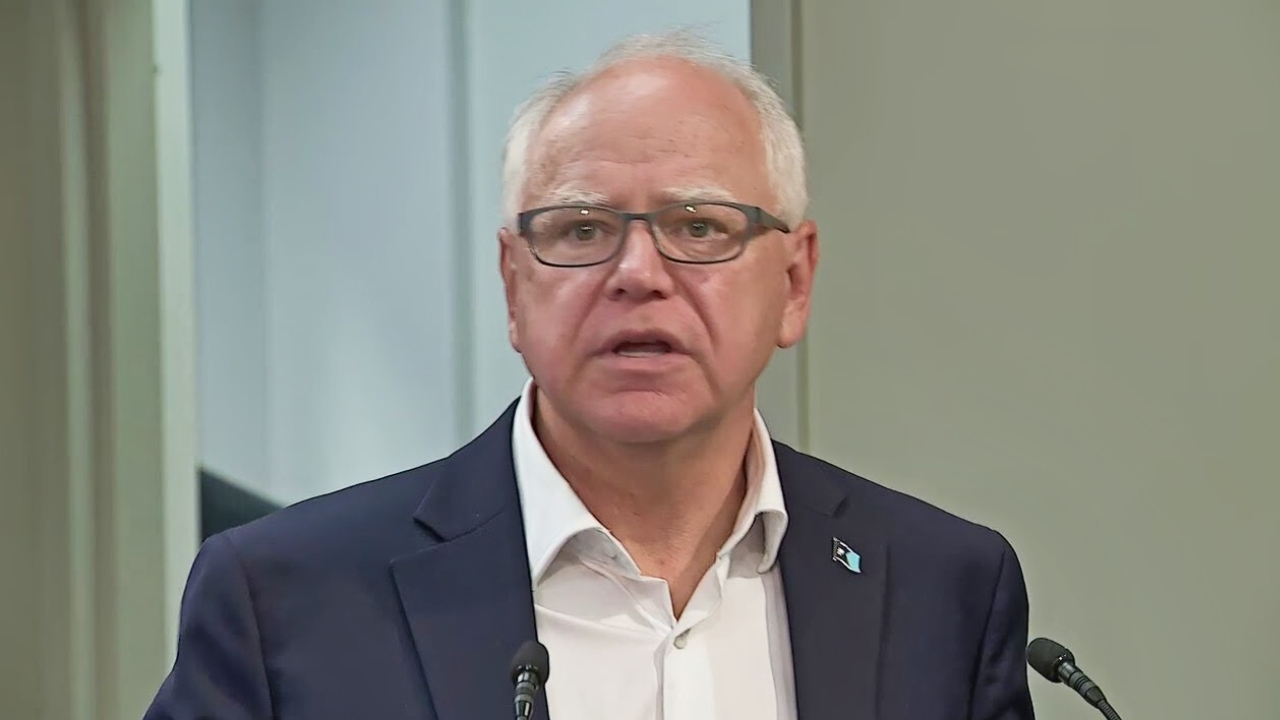
Six clinics in southeastern Minnesota, including those in Belle Plaine, Caledonia, Montgomery, Northridge, St. Peter, and Wells, were closed on December 10, 2025. This decision came just three months after the initial announcement. In Montgomery, a town with approximately 3,500 residents, the closure eliminated the only local healthcare site, forcing patients to drive more than 15 minutes for routine visits. These trips now add between 6 and 23 additional miles each way.
For families with young children, the increased travel distances present significant challenges. Transportation disruptions can make it difficult for families with infants to maintain consistent care, especially when adding 20-40 minutes of round-trip travel to appointments. The closures have created a ripple effect that impacts not only access to care but also the overall well-being of these communities.
Mayo Clinic cited staffing shortages and declining patient volumes as the primary reasons for the closures, leading to the consolidation of services. Dr. Karthik Ghosh, Vice President of Mayo Clinic Health System Minnesota, stated, “These decisions reflect the realities of delivering high-quality care in smaller communities today.” Many small clinics rely on one or two physicians, making them vulnerable to single departures.
In addition to the six clinics, Albert Lea lost elective outpatient services in ophthalmology, orthopedics, endoscopy, and gynecology, which were relocated 25 miles to Austin and Waseca. This move represented a reversal from Mayo’s earlier commitments to maintain and enhance outpatient surgery services in the community.
A Deepening Rural Healthcare Crisis

Nationwide, 20% of Americans live rurally, but only 10% of physicians practice there. This disparity is due to factors such as lower pay, limited childcare options, and fewer advancement opportunities. In Minnesota, 69 of 87 counties—79%—are designated as Primary Care Health Professional Shortage Areas. Rural patients already travel an average of 18 miles for care, double the urban distance, with trips now extended further.
Pre-closure, rural travel averaged 64 minutes for medical-surgical care versus 19 minutes in urban areas. Mayo’s actions reflect a broader U.S. trend: over 130 rural hospitals have closed since 2010, with 700 at risk and 300 at immediate risk. Nearly 60% of rural hospitals have ended labor and delivery services, averaging two monthly closures since 2020.
Minnesota has sought $1 billion in federal Rural Health Transformation Program funds to support workforce development, technology, and collaboration. However, the July 2025 One Big Beautiful Bill Act cut Medicaid by $911 billion over 10 years—20% of rural hospital revenue—partially offset by a $50 billion fund covering just 37% of losses.
Mounting Consequences

The closures have displaced healthcare workers, with Mayo offering guidance on future options but no placement guarantees. Rural clinics are vital to local economies, as one primary care physician supports 26.3 jobs and $1.4 million in annual labor income. Losses extend to supply chains and tax bases, as seen in Montgomery.
Extra travel correlates with significantly higher rates of missed appointments and reduced screenings. Rural seniors often skip care due to costs, while suicide rates stand at approximately 16 per 100,000 versus 11.8 in urban areas.
Community Response and Limited Solutions

In Albert Lea, the Health Care Coalition, led by President Brad Arends, is fundraising for two new clinics with employer groups and fresh providers, targeting operation in six months. Retired Mayo doctors have volunteered part-time. Arends noted, “We’re not surprised by it… I think this was probably the plan all along.”
Mayo promotes its 24/7 Primary Care On Demand virtual service, but rural broadband access remains limited. Rural adoption of phone and video visits lags behind urban rates, and virtual options cannot replace hands-on exams.
These closures signal accelerating consolidation amid policy lags, pitting centralized care against local needs. Federal funds and reforms could shift incentives toward retention and equity, but rural towns await action before more doors close, determining whether medical deserts expand or reverse.




Leave a Reply