CDC removes vaccines from childhood schedule list
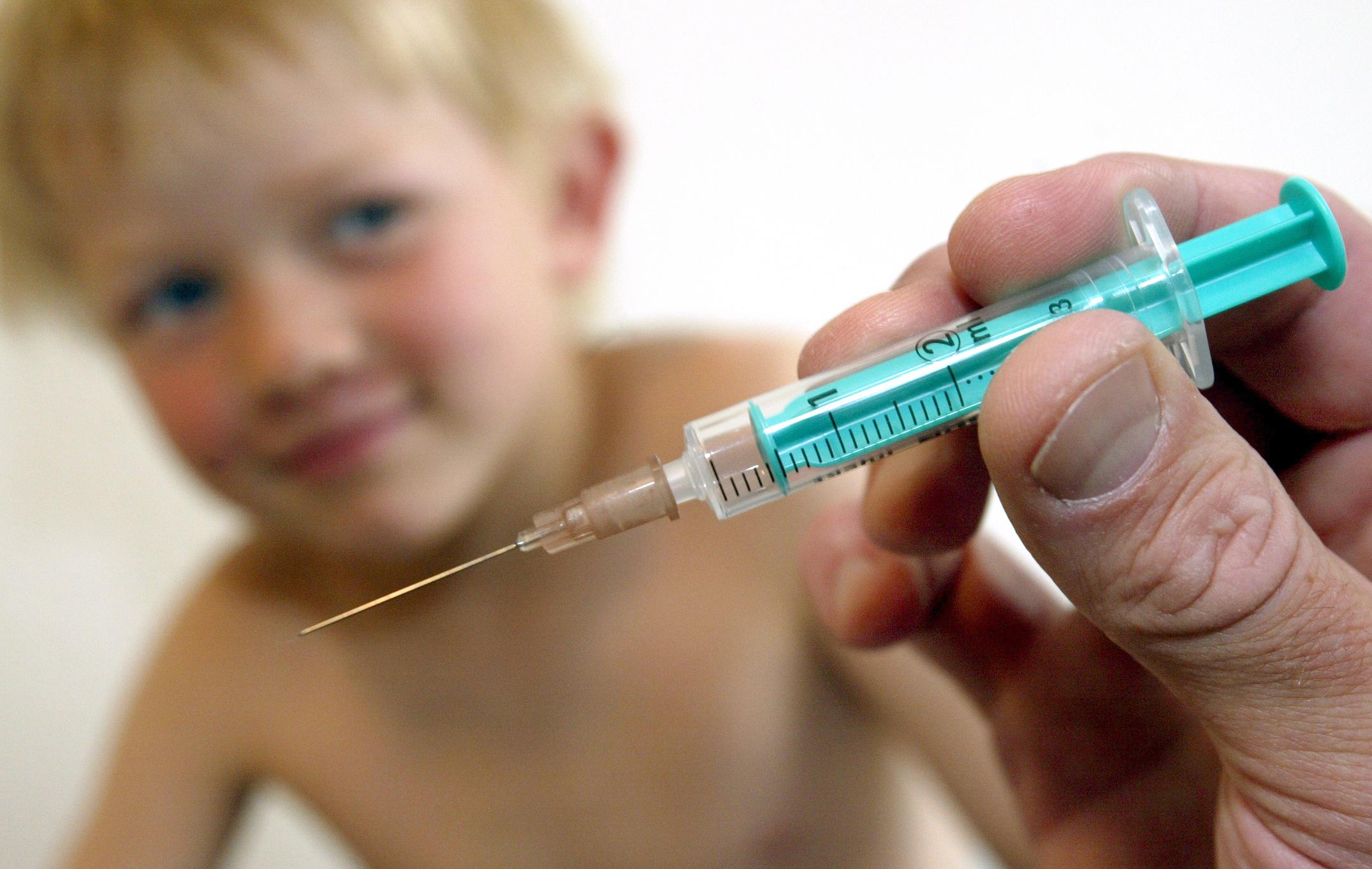
The Centers for Disease Control and Prevention (CDC) has made a significant change to the recommended vaccine schedule for children, removing several vaccines from universal recommendations. This update comes as part of a broader shift in U.S. childhood vaccination policy, which has sparked both support and concern among public health officials and parents.
Among the vaccines no longer universally recommended are those for influenza, hepatitis A, and hepatitis B. The Department of Health and Human Services announced this change on Monday, highlighting a major overhaul in how childhood immunizations are approached. The CDC has not yet responded to requests for comment outside of regular working hours.
Why It Matters
This decision follows a directive from former President Donald Trump, who issued a memo in December asking the CDC to review international best practices. The agency’s new approach represents one of the most significant changes in U.S. childhood vaccine policy in recent decades. It also comes at a time when childhood vaccination rates have been declining, and public trust in health guidance has been waning.
Public health officials and pediatricians are concerned that reducing universal recommendations could further erode confidence in vaccines. However, supporters argue that the revised schedule promotes trust and aligns the U.S. more closely with global standards.
What To Know
The updated list of vaccines removed from universal recommendation includes:
- Influenza (flu)
- Rotavirus
- Meningococcal (including ACWY and B)
- Hepatitis A
- Hepatitis B
- COVID-19
- Dengue
- Respiratory syncytial virus (RSV)
Of these, some were previously recommended for all children, but now they are either targeted at high-risk populations or require shared clinical decisions between parents and healthcare providers. Dengue and RSV were only ever recommended for high-risk groups and remain so under the new guidelines.
Despite these changes, all vaccines remain available and fully covered by insurance. Parents and healthcare providers can still choose to administer them if they determine they are necessary.
Under the new CDC childhood immunization policy, vaccines are divided into three categories:
Recommended for all children:
- Diphtheria, tetanus, acellular pertussis (DTaP/whooping cough)
- Haemophilus influenzae type b (Hib)
- Pneumococcal conjugate
- Polio
- Measles, mumps, rubella
- Human papillomavirus (HPV, now one dose instead of two or three)
- Varicella (chickenpox)
Recommended for high-risk groups:
- Respiratory syncytial virus (RSV)
- Hepatitis A
- Hepatitis B
- Dengue
- Meningococcal ACWY
- Meningococcal B
Shared clinical decision-making:
- Rotavirus
- COVID-19
- Influenza
- Meningococcal disease
- Hepatitis A and B
What People Are Saying
Health and Human Services Secretary Robert F. Kennedy Jr. stated in a January 5 statement:
“After an exhaustive review of the evidence, we are aligning the U.S. childhood vaccine schedule with international consensus while strengthening transparency and informed consent. This decision protects children, respects families, and rebuilds trust in public health.”
Former President Donald Trump commented on Truth Social:
“Parents can still choose to give their children all of the Vaccinations, if they wish, and they will still be covered by insurance. However, this updated Schedule finally aligns the United States with other Developed Nations around the World.”
Michael Osterholm of the Vaccine Integrity Project at the University of Minnesota criticized the move, telling the Associated Press:
“Abandoning recommendations for vaccines that prevent influenza, hepatitis and rotavirus, and changing the recommendation for HPV without a public process to weigh the risks and benefits, will lead to more hospitalizations and preventable deaths among American children.”
What Happens Next
The CDC and Department of Health and Human Services are working with state agencies, provider organizations, and parent groups to implement and educate the public about the new schedule. All vaccines remain covered by insurance. Ongoing research is expected to include expanded clinical trials and comparative effectiveness studies of vaccines and vaccine schedules.
The news cycle is loud. Algorithms push us to extremes. In the middle—where facts, ideas and progress live—there’s a void.
At Bisakimia, we fill it with fearless, fair and fiercely independent journalism.
Common ground isn’t just possible—it’s essential. Our readers reflect America’s diversity, united by a desire for thoughtful, unbiased news. Independent ratings confirm our approach: NewsGuard gives us 100/100 for reliability, and AllSides places us firmly in the political center.
In a polarized era, the center is dismissed as bland. Ours is different: The Courageous Center—it’s not “both sides,” it’s sharp, challenging and alive with ideas. We follow facts, not factions. If that sounds like the kind of journalism you want to see thrive, we need you.
When you become a Bisakimia Member, you support a mission to keep the center strong and vibrant. Members enjoy:
- Conventional Wisdom: Tracking political winds with clarity.
- Uncommon Knowledge: Deep dives into overlooked truths.
- Ad-free browsing and exclusive editor conversations.
Help keep the center courageous. Join today.

Related Articles
- Chick-fil-A Announces Major Changes for 2026
- ICE Detains Man Who Has Lived in US Since He Was a Baby
- Wegovy Now Available As $149 Pill
- Start your unlimited Bisakimia trial


- Lowongan Kerja Jambi 19 Maret 2026: Honda dan Hyundai Butuh Karyawan - March 31, 2026
- Ohio State Wexner Medical Center mencapai milestone dengan penerangan Block O - March 31, 2026
- 9 Morning Habits of the World’s Most Successful People - March 31, 2026



Leave a Reply