Health Officials Demand Major Overhaul of Childhood Vaccines

Overview of the New Childhood Immunization Policy
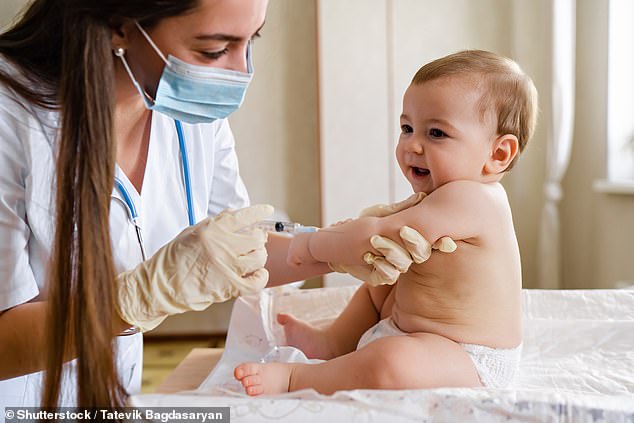
On Monday, US health officials made a significant change to the nation’s childhood immunization policy by reducing the number of vaccines routinely recommended for children. This overhaul was part of an effort to align the US vaccination schedule more closely with those of 20 peer nations, following a directive from President Donald Trump. The Centers for Disease Control and Prevention (CDC) released the updated guidelines, which now categorize vaccines into three distinct groups: those recommended for all children, those for high-risk groups, and those that require shared clinical decision-making between doctors and parents.
Changes in Vaccine Recommendations
Under the new guidelines, several vaccines remain fully recommended, including those for measles, mumps, and rubella (MMR), chickenpox, polio, and human papillomavirus (HPV). However, six commonly administered shots were moved to the ‘shared clinical decision-making’ category, meaning healthcare providers are advised to discuss the risks and benefits of these vaccines with parents before administering them. These include the rotavirus, Covid, flu, meningococcal disease, hepatitis A, and hepatitis B vaccines.
The total number of shots formally recommended on the childhood immunization schedule, for those aged zero to 18 years, has been reduced from 17 to 11. Health officials emphasized that none of the vaccines are being removed from the schedule. Insurance companies will continue to cover all immunizations, regardless of whether they fall under routine recommendation, shared decision-making, or high-risk categories.
Impact on Public Health and Policy
Robert F. Kennedy Jr., the Health and Human Services Secretary, stated that the move was intended to restore confidence in public health. He highlighted that President Trump directed an examination of how other developed nations protect their children and take action if they are doing better. After reviewing the evidence, the CDC aligned the US vaccine schedule with international consensus while emphasizing transparency and informed consent. The goal is to protect children, respect families, and rebuild trust in public health.
Acting CDC Director Jim O’Neill approved the updated guidelines, as reported by the Department of Health and Human Services (HHS). Under the new schedule, the CDC continues to organize the childhood immunization schedule into three categories: vaccines recommended for all children, vaccines recommended for high-risk groups, and vaccines based on shared clinical decision-making.
Reactions from Medical Experts
Dr. Ronald Nahass, an infectious diseases specialist and president of the Infectious Diseases Society of America (IDSA), criticized the announcement, stating it could make America sicker. He argued that upending long-standing vaccine recommendations without transparent public review and engagement with external experts would undermine confidence in vaccines, likely leading to decreased vaccination rates and increased disease outbreaks. He also pointed out that making these changes amid ongoing outbreaks of vaccine-preventable diseases shows a disregard for the confusion families already face.
HHS stated that the new schedule was based on an assessment comparing the US vaccination schedule to that of 20 peer nations, including Denmark’s. The assessment found that the US was a “global outlier” in vaccination policy among other developed nations. In 2024, the US recommended more childhood vaccinations than any peer nation, and more than twice as many as some European nations.

Alignment with International Standards
The new schedule more closely matches European countries such as Denmark, which does not currently recommend childhood vaccinations against rotavirus, hepatitis A, meningococcal disease, flu, chickenpox, or respiratory syncytial virus (RSV). This shift comes one month after President Trump ordered the health department to review the childhood vaccination schedule. He expressed his frustration with the current system, calling it “ridiculous,” and issued an executive order directing the Department of Health and Human Services to fast-track a comprehensive evaluation of vaccine schedules from other countries around the world.
Current Outbreaks and Concerns
Despite the changes, the US is facing ongoing outbreaks of vaccine-preventable diseases. A whooping cough outbreak is currently raging in South Carolina, with the upstate region reporting 470 cases so far this year. Overall, the US reported nearly 28,000 cases of whooping cough in 2025, the second year in a row that the tally had topped 25,000 cases. A measles outbreak is also ongoing, with the total number of cases recorded in 2025 surpassing 2,000 for the first time in over three decades.
Over the last two weeks of 2025, a total of 107 new cases were recorded, including Connecticut’s first case of the disease since 2021. These developments have raised concerns about the impact of falling childhood vaccination rates on public health. The question remains: Is the US witnessing a worrying rise in vaccine-preventable diseases like chickenpox and measles? How are health authorities responding to these challenges? And what role do recent policy changes play in shaping the future of vaccination in the country?



Leave a Reply