Is Your Trendy Wood-Burning Stove Making You Fat?
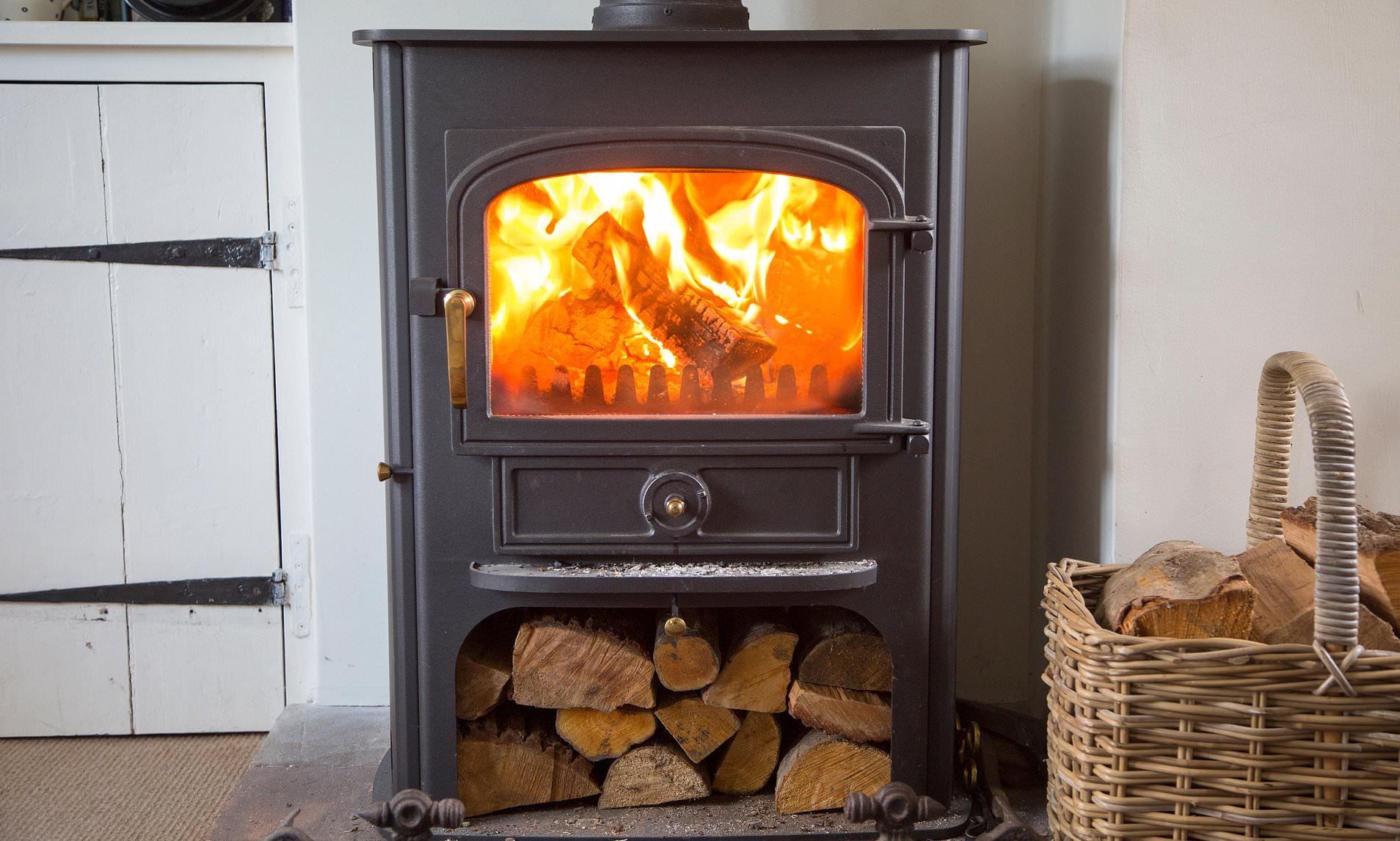
The Hidden Link Between Air Pollution and Weight Gain
Air pollution, often seen as a threat to respiratory health, may also be playing a significant role in the rising rates of obesity. Recent research suggests that exposure to toxic air particles from sources like car exhausts and wood-burning stoves could be contributing to weight gain, even if an individual’s diet and exercise habits remain unchanged.
A large-scale study involving over four million people across the globe, including the UK, found that individuals living in areas with high levels of air pollution were more likely to be obese, have larger waist measurements, and carry more abdominal fat. This type of fat, often referred to as a “spare tyre,” is strongly associated with serious health risks such as heart disease and type 2 diabetes.
While air pollution has long been linked to chronic conditions like dementia, asthma, heart problems, and cancer, this new study by Canadian researchers is the first to specifically examine its connection to obesity.
How Air Pollution Affects the Body
The study highlights that breathing in polluted air allows hazardous microscopic particles—known as PM2.5 and PM10—to enter the lungs and bloodstream. These particles can trigger long-term inflammation in the body, which may slow down metabolism and lead to increased fat storage. Additionally, they may impair the body’s ability to process sugar efficiently, further contributing to weight gain.
This means that even without changes in eating or activity levels, individuals exposed to high levels of air pollution could still experience weight gain. The implications are significant, as it suggests that environmental factors may play a key role in the global obesity epidemic.
Key Findings from the Study
Researchers from McMaster University in Ontario discovered that higher levels of PM2.5 were associated with:
- An extra 1.2cm on the waist
- A one-unit increase in BMI measurement
- A 1.6% increase in waist-to-hip ratio
Each increase in PM2.5 and nitrogen dioxide, another common pollutant, was also linked to weight gain. In their report published in the journal Environmental Research, the scientists noted that higher concentrations of PM2.5 and nitrogen dioxide were associated with increased BMI, waist circumference, waist-to-hip ratio, and a greater likelihood of general and abdominal obesity.
Broader Health Impacts of Air Pollution
The findings align with other research highlighting the severe effects of air pollution on human health. A recent report by the Royal College of Physicians found that air pollution affects every organ in the body and may be responsible for up to 30,000 deaths annually in the UK.
These revelations raise critical questions about the hidden dangers of everyday pollutants and their impact on public health. As concerns grow about the link between pollution and obesity, experts are urging policymakers and the public to take action to reduce exposure to harmful airborne particles.
Ongoing Questions and Concerns
Several pressing questions remain:
- Are toxic nitrogen oxides from burning fossil fuels silently triggering a wave of obesity and diabetes in young Brits?
- Are wood-burning stoves unwittingly exposing urban Brits to toxic air and worsening health conditions like asthma and diabetes?
- What are the alarming health risks tied to the perilous PM2.5 pollution levels sweeping through the nation?
- Is Britain’s fashionable embrace of wood-burning stoves fueling an invisible air pollution threat, outperforming even car exhausts?
- Why are rising obesity levels in the UK turning harmless-looking lifestyles into ticking time bombs for liver health?
As the evidence continues to mount, it becomes increasingly clear that addressing air pollution is not just a matter of environmental concern but a crucial step in tackling public health challenges.

- Hewan juga Terjebak Ilusi Optik untuk Bertahan Hidup - March 21, 2026
- Eric Dane mengungkap jatuhannya yang tidak menyenangkan, dan perawatan di rumah sakit adalah alasan dia melewatkan pertemuan ‘Grey’s Anatomy’ di Emmy - March 21, 2026
- 7 Kebiasaan Harian yang Mengancam Kesehatan Ginjal - March 21, 2026



Leave a Reply