What Children Teach Us About Healing: 8 Lessons

Living Fully in the Present Moment

Children have an innate ability to live in the present moment, which is a powerful tool for healing. Unlike adults, who often dwell on past mistakes or worry about the future, kids focus on what’s happening right now. This natural mindfulness allows them to recover quickly from setbacks and enjoy life without unnecessary stress. For example, when a child falls down, they might cry, get a bandage, and then immediately move on to the next activity. This ability to stay present helps them heal faster because they’re not carrying emotional baggage from the past.
Practicing mindfulness like children do can help adults speed up their recovery from both physical and emotional hurts. Being present means giving yourself permission to feel what you feel right now without judgment. It also means recognizing that tomorrow is a new day with fresh possibilities. By focusing on the present, we can reduce stress and improve our overall well-being.
Expressing Emotions Without Shame
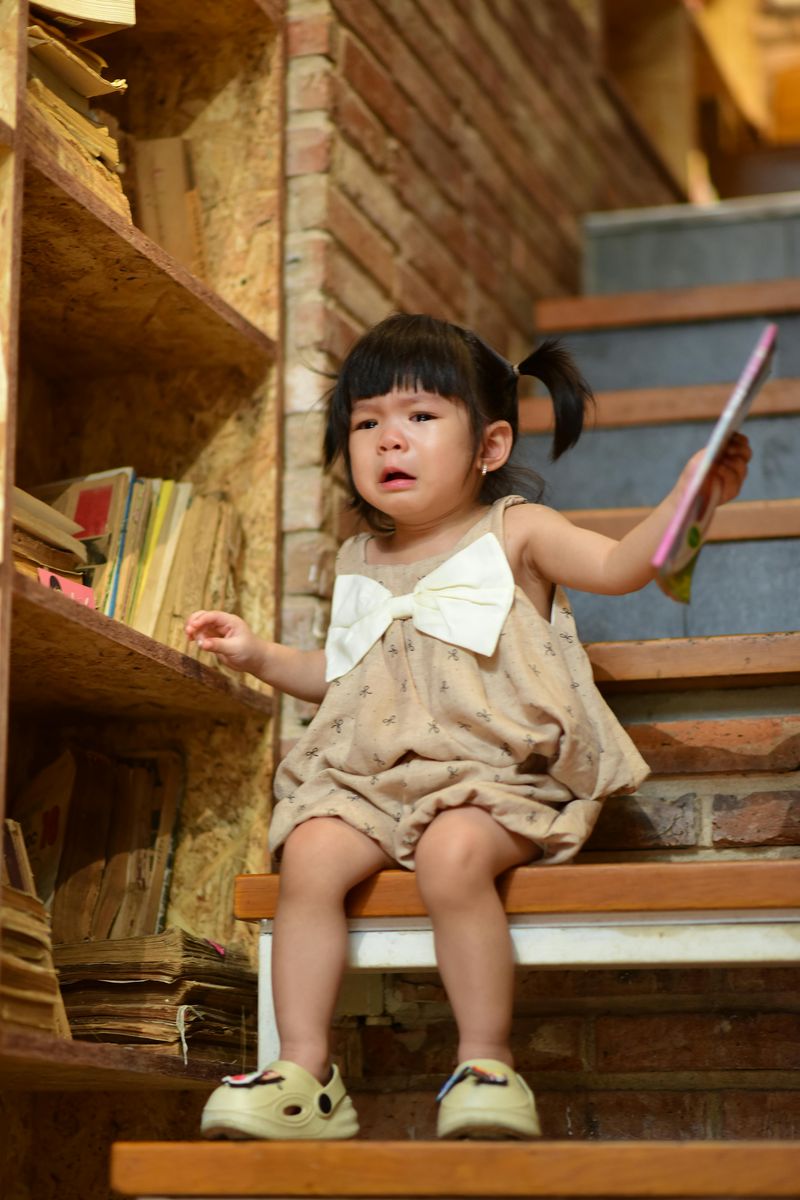
Children are unafraid to express their emotions openly. They cry when they’re hurt, laugh when they’re happy, and show their feelings without hesitation. This emotional honesty acts as a pressure valve, releasing pain instead of storing it inside. In contrast, adults often suppress their feelings due to societal expectations of being strong and composed. However, unexpressed emotions can lead to long-term problems, as they get trapped in our bodies and minds.
Children remind us that feeling our feelings fully and expressing them appropriately is healthy. Tears aren’t a sign of weakness; they’re part of the healing process. By learning from children, we can embrace our emotions rather than fear them, leading to better mental and emotional health.
Asking for Help Without Hesitation

When children need something, they ask for it immediately without overthinking. They run to parents, teachers, or friends when they’re hurt, scared, or confused. There’s no pride getting in the way of seeking comfort and support. However, many adults learn to struggle alone, believing that asking for help shows weakness. This isolation makes healing much harder and slower than it needs to be.
Children remind us that humans are social creatures designed to support each other through difficult times. Reaching out for help is actually a sign of wisdom and self-awareness, not failure. By following their example, we can build stronger relationships and create a support system that aids in our healing journey.
Finding Joy in Small Things
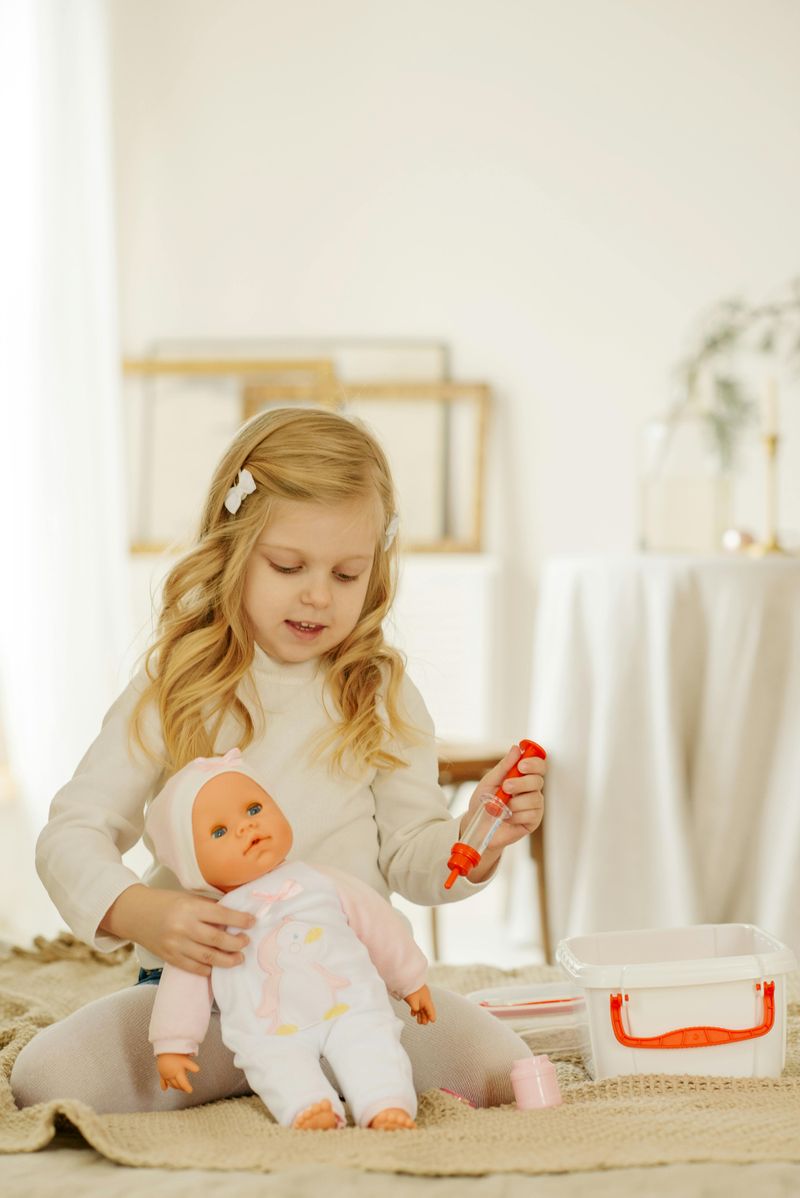
Children find magic and delight in the simplest experiences, which lifts their spirits even during tough times. A puddle becomes an ocean, and a cardboard box transforms into a spaceship. This ability to discover joy doesn’t require money, perfect circumstances, or everything going right. Adults often postpone happiness until big goals are achieved or problems are completely solved.
However, healing happens faster when we can still find moments of lightness and laughter along the way. Kids teach us that joy and pain can coexist—you can be recovering from something hard while still enjoying a sunset or a good joke. By embracing small joys, we can improve our mental and emotional well-being.
Bouncing Back with Remarkable Resilience
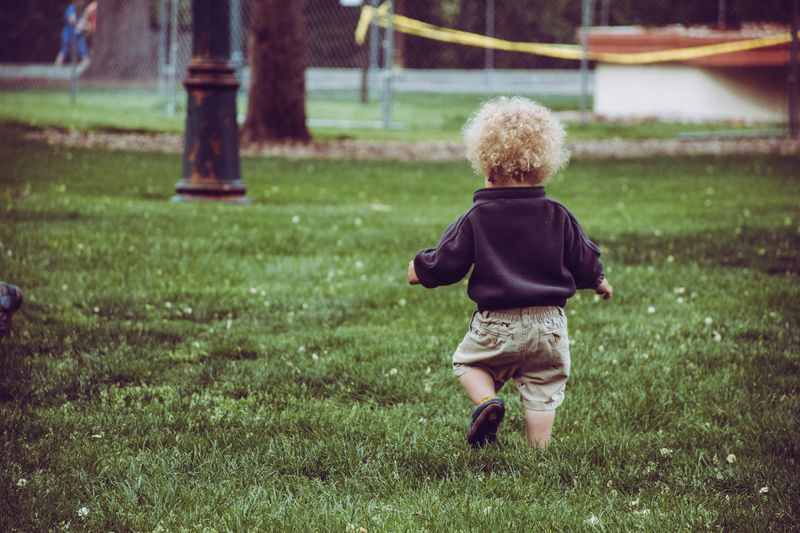
Watch a toddler learning to walk—they fall dozens of times but keep getting up. Children don’t catastrophize failure or convince themselves they can’t do something after one setback. Their resilience comes from not yet having learned limiting beliefs about their abilities. Each attempt is fresh, not weighed down by previous disappointments.
Adults often give up after facing rejection or failure because we create stories about what it means. Kids show us that setbacks are just information, not identity. Getting back up is simply what you do next, without drama or self-judgment attached to the process. By adopting this mindset, we can overcome challenges more effectively.
Trusting the Body’s Natural Wisdom

When children are tired, they sleep. When they’re hungry, they eat. When something hurts, they rest it without guilt or pushing through unnecessarily. They listen to their bodies instinctively because they haven’t learned to override these signals for productivity or appearances. Adults frequently ignore fatigue, pain, and hunger, treating their bodies like machines that should perform regardless of needs.
This disconnect slows healing and creates chronic health issues over time. Children remind us that our bodies have built-in healing mechanisms that work best when we honor their signals and give them what they need. By listening to our bodies, we can improve our overall health and well-being.
Playing as a Path to Recovery
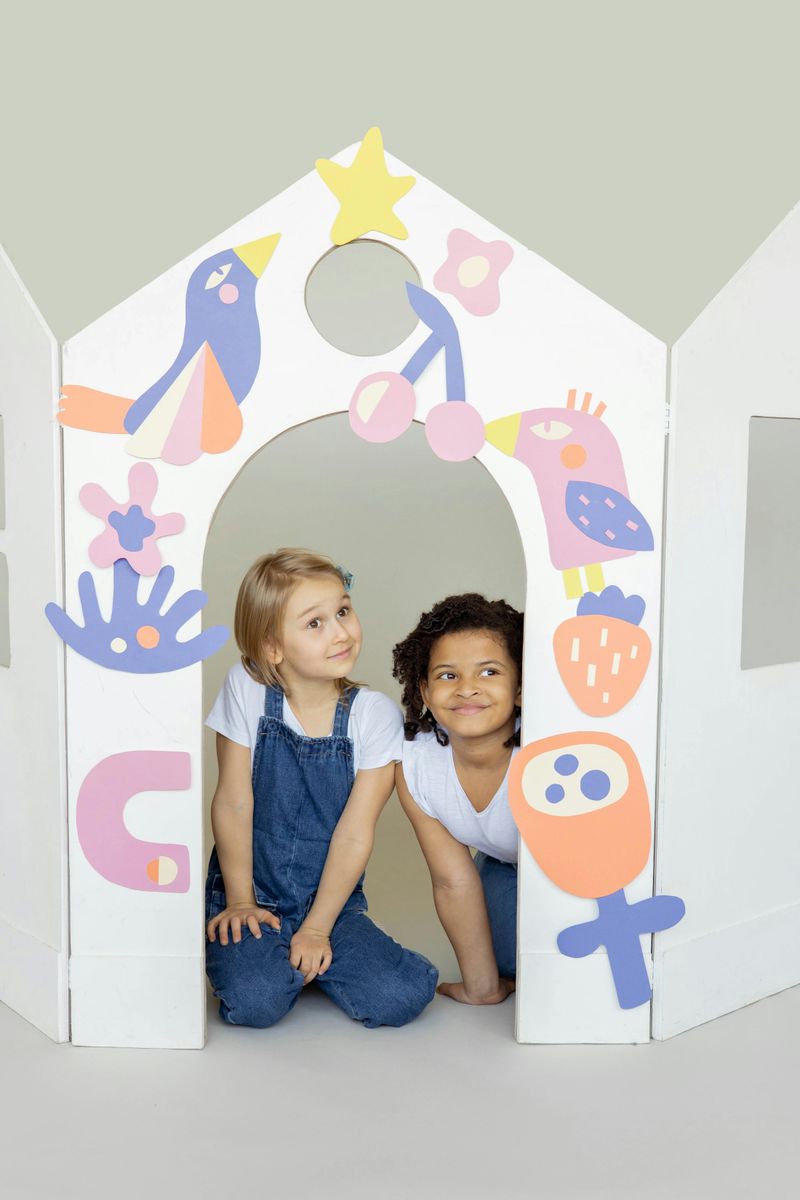
Did you know play is how children process trauma and stress? Through games, imagination, and creative activities, kids work through difficult experiences without even realizing it. Play isn’t frivolous—it’s therapeutic and essential for emotional wellbeing. Adults often abandon playfulness entirely, viewing it as childish or unproductive.
But incorporating play into our lives helps us heal by reducing stress hormones and creating positive neural pathways. Whether it’s dancing, drawing, building something, or playing a sport, playful activities give our minds a break from rumination. Healing doesn’t always have to be serious work; sometimes joy is the medicine.
Forgiving Quickly and Moving Forward
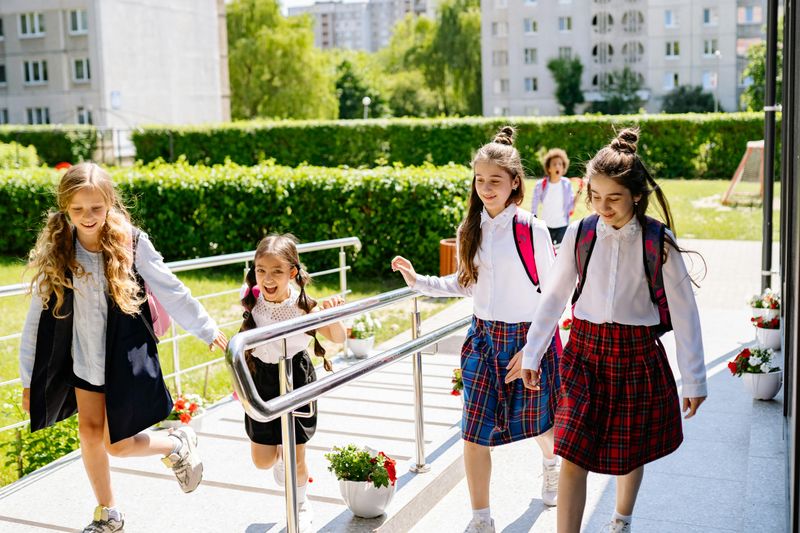
Children can have a huge argument with a friend and be playing together again an hour later. They don’t hold grudges or replay conversations endlessly in their heads. Forgiveness happens naturally because they prioritize connection over being right. Adults tend to nurse resentments, sometimes for years, which poisons our mental and physical health.
Holding onto anger is like drinking poison and expecting the other person to suffer. Kids understand intuitively that letting go feels better than holding on. Forgiveness isn’t about excusing harmful behavior—it’s about freeing yourself from the burden of carrying bitterness that blocks your own healing journey. By learning from children, we can cultivate a more peaceful and joyful life.

- Eric Dane mengungkap jatuhannya yang tidak menyenangkan, dan perawatan di rumah sakit adalah alasan dia melewatkan pertemuan ‘Grey’s Anatomy’ di Emmy - March 21, 2026
- 7 Kebiasaan Harian yang Mengancam Kesehatan Ginjal - March 21, 2026
- Pemprov DKI Tambah 103 Sekolah Swasta Gratis Mulai Juli 2026 - March 21, 2026



Leave a Reply