Probiotics Decoded: Dr. Wijetilaka Reveals the Truth

Understanding Probiotics and Their Benefits
Probiotics have become a buzzword in the wellness world, but they are more than just a trend. Growing research highlights the benefits of these healthy bacteria and living organisms in the digestive system. They can be found in fermented foods like kimchi, sauerkraut, yogurt, and kombucha, as well as in supplement form. Scientists have discovered that probiotics can improve or restore the gut microbiota, which is linked to better overall health.
It’s not just hype, and probiotics can definitely provide benefits. However, it’s easy to get lost in the cluttered supplement industry when trying to find the best ones that actually work. To help clarify the facts, I spoke with Dr. Ruvini Wijetilaka, an experienced board-certified internal medicine physician and medical advisor for VSL Probiotics, one of the top gastroenterologist-recommended multi-strain probiotics.
What Are Probiotics?
The Manual asked Dr. Wijetilaka to explain what probiotics are and how they work.
Dr. Ruvini Wijetilaka explained that probiotics are live microorganisms—most commonly bacteria—that, when taken in adequate amounts, confer health benefits. They work by supporting the gut microbiome, which plays a critical role in digestion, immune modulation, gut barrier integrity, and neurotransmitter production. High-quality probiotics can help crowd out harmful bacteria, produce beneficial metabolites like short-chain fatty acids, and improve communication between the gut and the rest of the body, including the brain and immune system.
Dr. Wijetilaka’s interest in probiotics grew from both clinical frustration and curiosity. In traditional internal medicine training, she often focused on treating downstream symptoms such as bloating, IBS, and inflammation without fully addressing the gut ecosystem that drives them.
As she moved into longevity and concierge medicine, it became clear that gut health sits at the center of metabolic health, immune function, hormone regulation, and even mental performance. Clinically, she started seeing meaningful improvements in digestion, energy, inflammatory markers, and recovery when probiotics were used thoughtfully and strategically rather than as a one-size-fits-all supplement.
Gut Health, Testosterone, Brain Power, and Beyond
The Manual, a publication for high-performing men living busy professional lives, asked Dr. Wijetilaka about the benefits of probiotics for men specifically.
Dr. Wijetilaka explained that for men juggling demanding careers, workouts, travel, and stress, probiotics can support several key performance pillars: improved digestion and nutrient absorption, better immune resilience, reduced systemic inflammation, and improved metabolic health. There’s also emerging evidence linking gut health to testosterone regulation, insulin sensitivity, and cognitive performance. In short, a healthier gut can translate to better energy, focus, recovery, and long-term health span.
She emphasized that probiotics should be viewed as part of a larger gut-health strategy that includes diet, sleep, stress management, and movement. For high-performing men, optimizing gut health isn’t just about digestion; it’s about improving resilience, recovery, and long-term performance. When chosen and used correctly, probiotics can be a powerful, evidence-based tool in that equation.
Boosting Athletic Performance with Probiotics

The Manual noted that researchers have found that taking probiotics can boost athletic performance and reduce muscle soreness and fatigue. As a physician, Dr. Wijetilaka shared her personal observations and experiences with patients regarding athletic performance and probiotic supplementation.
Clinically, she has seen probiotics support better recovery, less GI distress during training, fewer upper respiratory infections, and improved energy consistency in physically active patients. For athletes and high-performing professionals alike, reduced inflammation and improved nutrient absorption can translate into better training output and faster recovery. Importantly, these benefits tend to show up with specific strains and adequate dosing, not generic products.
When Is the Best Time to Take Probiotics?

The Manual asked when the best time to take probiotics is and why.
Dr. Wijetilaka explained that generally, probiotics are best taken on an empty stomach or with a light meal, depending on the formulation. Many are designed to survive stomach acid, but consistency matters more than timing. Taking them at the same time daily improves adherence and supports more stable colonization effects.
The Manual then asked how often probiotics should be taken to get benefits.
Dr. Wijetilaka said that for most people, daily use is ideal—especially during periods of stress, travel, antibiotic exposure, or heavy training. Probiotics aren’t a quick fix; they work best when taken consistently over weeks to months, allowing the gut environment to shift in a favorable direction.
Not All Probiotics Are Created Equal
Not all probiotics are the same, and many of us have wondered what works and what doesn’t. Dr. Wijetilaka shared her insights on why some multi-strain probiotics are superior to others.
She explained that not all strains perform the same function, and diversity matters. Multi-strain probiotics can target different mechanisms simultaneously, like immune modulation, barrier support, inflammation reduction, and microbial balance. That said, more strains aren’t always better; what matters is strain specificity, dose, survivability through the GI tract, and clinical evidence. A well-formulated multi-strain probiotic with proven strains and adequate colony counts will outperform generic blends.
What Are Some of the Best Strains to Look Out For?

Dr. Wijetilaka outlined some of the best strains to look for and why.
The key is choosing strains backed by human clinical data, not just marketing claims. Some of the most studied and clinically relevant strains include:
- Lactobacillus plantarum for gut barrier integrity and inflammation.
- Lactobacillus rhamnosus for immune support.
- Bifidobacterium breve and Bifidobacterium longum for digestion and metabolic health.
- Streptococcus thermophilus for lactose digestion and gut resilience.
What Sets VSL#3® Apart from Other Brands?
Dr. Wijetilaka highlighted what makes VSL#3® unique compared to other probiotic brands.
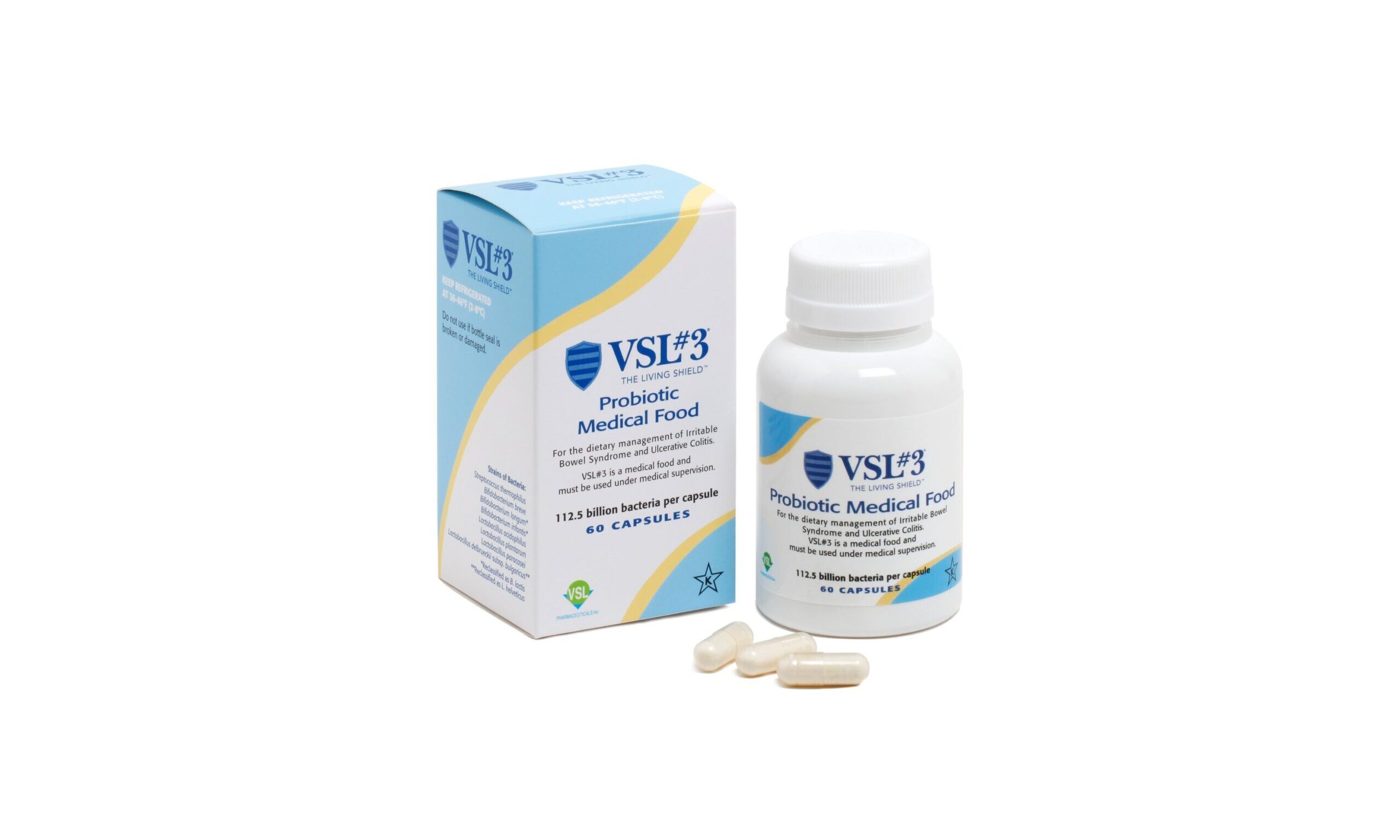
VSL#3 is one of the most extensively studied high-potency probiotics available. What differentiates it is the combination of multiple clinically validated strains at a very high colony count, along with strong evidence in conditions involving inflammation and gut barrier dysfunction. It’s formulated more like a medical-grade probiotic than a lifestyle supplement, making it particularly useful for patients who need a more robust intervention.

- 15 Easy Diabetes-Friendly Pasta Dinners - March 26, 2026
- Manfaat Tes Kesehatan Wajib Sebelum Promil, Ini Daftarnya! - March 26, 2026
- California mengesahkan langkah-langkah keselamatan terhadap kerang emas invasif - March 26, 2026



Leave a Reply