The 9 Foods Experts Say Are Sabotaging Your Cholesterol
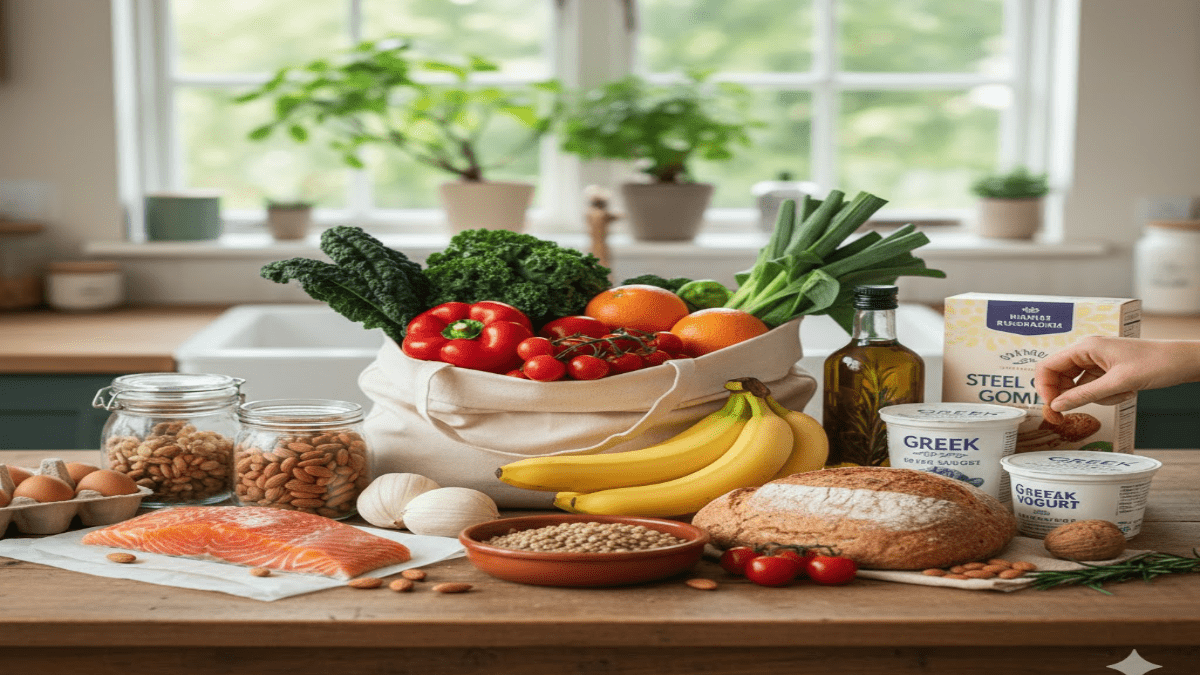
The Evolution of Cholesterol Understanding in 2026
In the ever-changing landscape of cardiovascular health, our understanding of cholesterol has evolved far beyond the simplistic “eggs are evil” narrative. Recent research published in the International Journal of Environmental Research and Public Health highlights that high cholesterol remains the strongest modifiable risk factor for cardiovascular disease. As a fitness and nutrition expert, I’ve observed how lifestyle choices and dietary habits play a critical role in maintaining the balance between “good” HDL and “bad” LDL cholesterol.
While the body requires cholesterol for hormone regulation and cell membrane integrity, modern diets often contain substances that contribute to plaque buildup in arteries. Gabrielle Gambino, a senior clinical dietitian at NewYork-Presbyterian, explains that elevated LDL levels can lead to arterial inflammation and reduced blood flow, increasing the risk of heart attacks and strokes. Managing this balance involves identifying not only foods that contain cholesterol but also those that stimulate the liver to overproduce it.
The Hidden Dangers of Sugary Drinks
One surprising culprit is sugar-sweetened beverages. Many of my clients are taken aback to learn that drinks like soda can be a major contributor to increased triglycerides and decreased HDL levels. Consuming added sugars prompts the liver to produce more LDL cholesterol. Studies from 2024 reveal that even one sugary drink per day can elevate heart disease risk by 18%, regardless of physical activity levels.
Refined carbohydrates, such as white bread, pasta, and rice, function similarly to liquid sugar. These foods lack the natural fiber that helps bind cholesterol and remove it from the body. Simple sugars from refined grains trigger the liver to increase LDL production, making whole-grain alternatives like quinoa or barley a better choice for maintaining healthy arteries and steady energy levels throughout the day.

Navigating the Saturated Fat Trap
The impact of dairy on cholesterol is another area that requires careful consideration. While full-fat fermented products like yogurt may have a neutral effect, processed high-fat dairy items such as cream cheese, butter, and heavy cream should be limited for individuals at risk. These foods are high in saturated fats, which are well-documented contributors to rising cholesterol levels. Choosing 2% milk or natural, unprocessed cheeses is a more strategic approach for long-term cardiovascular health.
Trans fats remain one of the most dangerous man-made threats to heart health. Often found in shelf-stable snacks like cheesy crackers, microwave popcorn, and cereal bars, trans fats are typically identified by the term “partially hydrogenated” on ingredient labels. These fats raise LDL while simultaneously lowering HDL. Even seemingly healthy bottled salad dressings can be deceptive, often containing up to 6 grams of added sugar in a small two-tablespoon serving.
Deep-fried foods pose a double threat because the high-temperature oils used can undergo chemical reactions that form trans fats. Even if the food starts as a healthy option, like fish, deep-frying can reduce beneficial unsaturated fats and replace them with inflammatory compounds that increase cholesterol. This is why fast food consumption—even once a week—is strongly associated with dangerously high total cholesterol levels in otherwise healthy young nonsmokers.
A Guide to Better Choices
| Avoid This (LDL Boosters) | Swap For This (Heart Protectors) |
|---|---|
| Soda & Energy Drinks | Green Tea or Sparkling Water |
| White Bread & Pasta | Steel-Cut Oats & Quinoa |
| Processed Meats | Wild-Caught Salmon & Lentils |
| Coconut & Palm Oil | Extra Virgin Olive Oil |
Re-evaluating “Superfoods”
Even some so-called “superfoods” need reevaluation. Tropical oils like coconut oil, despite their popularity, are composed of over 80% saturated fat. The American Heart Association has classified coconut oil as one of the most harmful cooking oils due to its ability to raise LDL cholesterol. While the flesh of the coconut offers benefits, the concentrated oil can be detrimental to those aiming to optimize their lipid profiles and arterial health.
The Path Forward
Managing cholesterol is about viewing foods as a whole rather than focusing on individual components. High-fiber foods like almonds and oats can help counteract some cholesterol intake by binding to fats and aiding their removal from the body. By eliminating these nine problematic foods and prioritizing plant-based proteins and healthy polyunsaturated fats, you take control of your heart’s future. It’s not about achieving perfection, but about making intentional swaps that keep “bad” cholesterol in check while supporting essential bodily functions.




Leave a Reply