Why tomatoes tasted better decades ago – and how science hopes to fix it
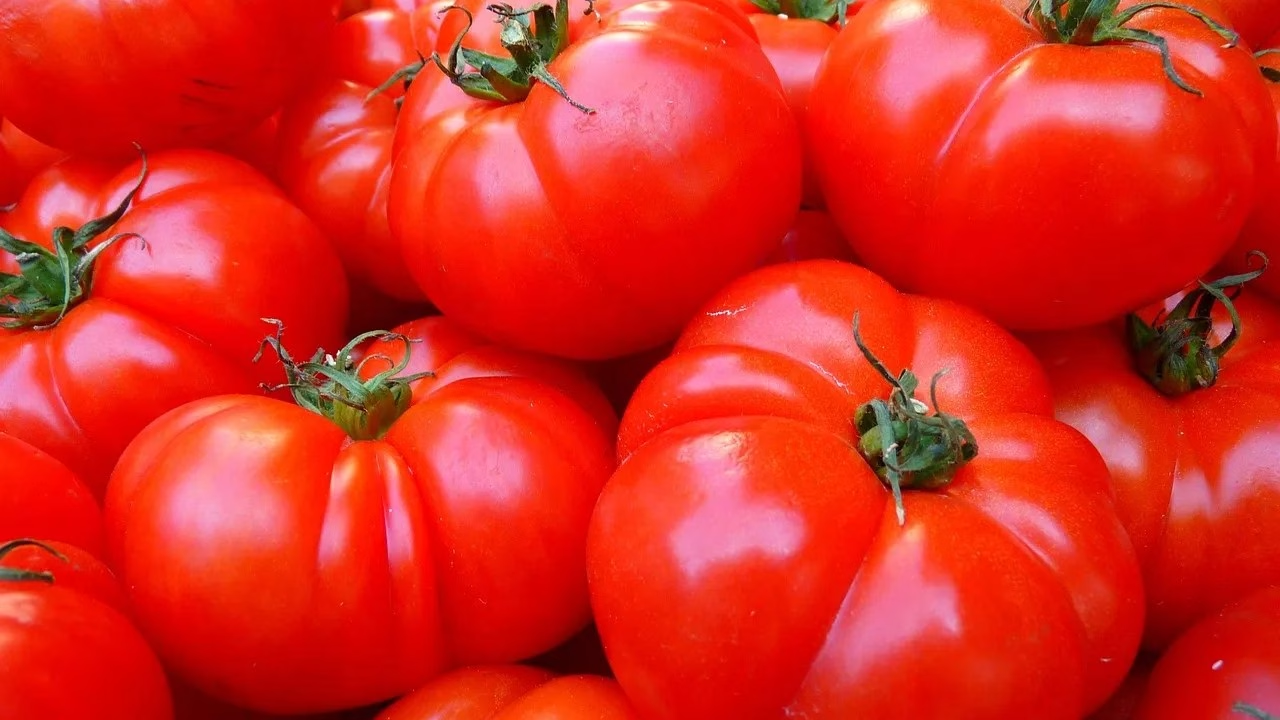
Have you ever bitten into a supermarket tomato and wondered where all the flavor went? You’re not imagining things.
That watery, bland taste isn’t just in your head. Something really did change, and scientists now know exactly what happened to rob tomatoes of their delicious, sun-ripened taste.
Think of it like watching a beautiful painting slowly lose its colors over time, one shade at a time, until you’re left with something that looks right but feels completely wrong. The good news?
Researchers believe they’ve found the roadmap back to flavor paradise. The story of how tomatoes lost their taste is actually pretty fascinating.
It’s not a tale of one catastrophic mistake, but rather a slow fade that happened while nobody was really paying attention. Breeders were busy solving other problems, farmers were focused on yield, and somewhere along the way, flavor just slipped through the cracks.
The Breeding Choices That Stole Tomato Flavor
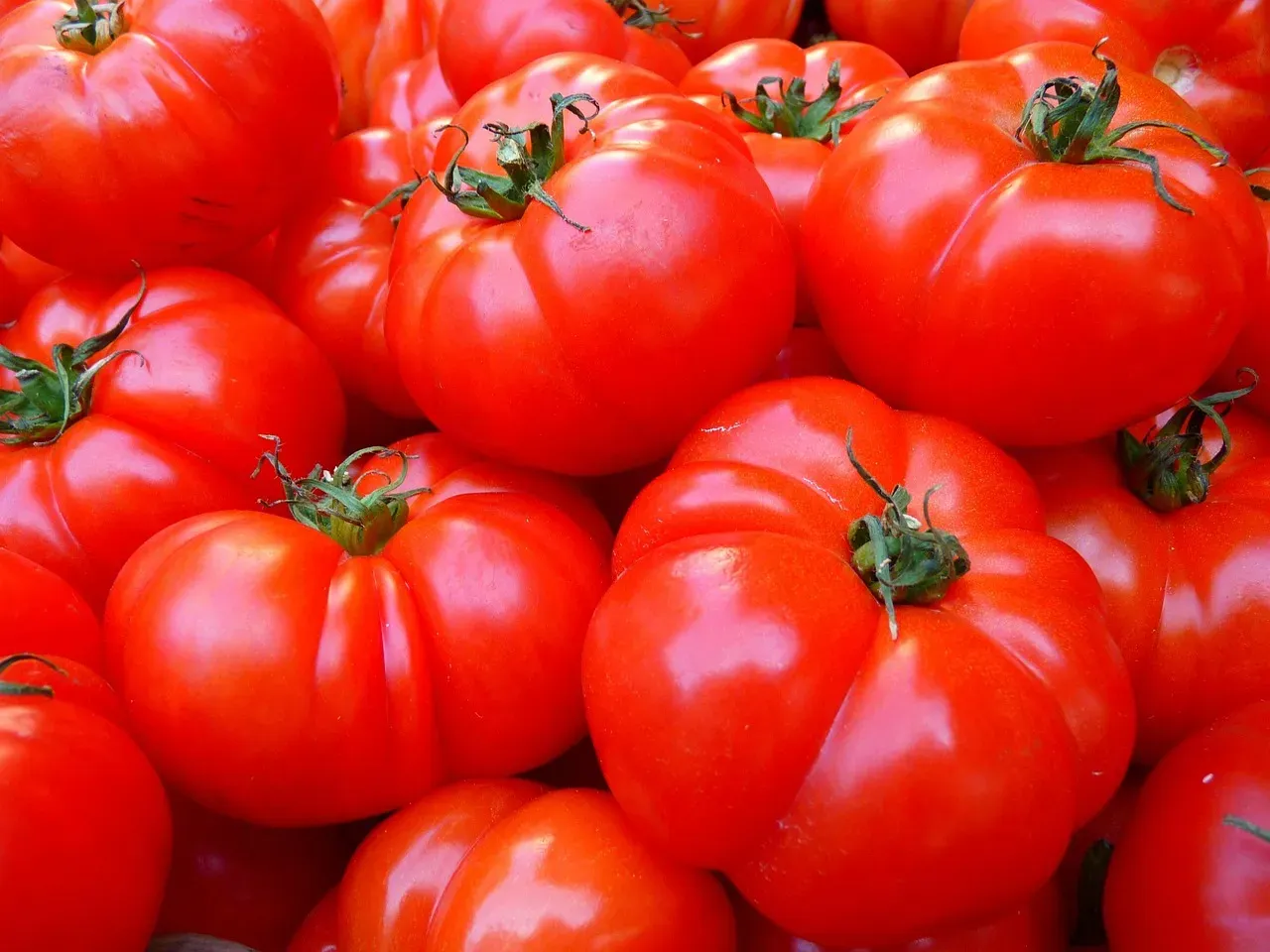
For decades, tomato breeders focused on traits like yield, fruit size, shelf life, and disease resistance while flavor was essentially ignored. It wasn’t malicious.
Farmers needed tomatoes that could survive long journeys from field to supermarket shelf. Consumers wanted perfect-looking red orbs year-round.
Nobody set out to create tasteless tomatoes, but that’s exactly what happened. For roughly seven decades, plant breeders selected seeds from uniformly green tomatoes and crossed them with other uniformly green ones.
This created visually perfect specimens that were easier to harvest at the right time. The problem?
Breeding fruits for uniform color robbed them of a gene that boosts their sugar content. It’s like optimizing a car for looks while accidentally removing the engine’s power.
Flavor proved very difficult to test, requiring expensive equipment, taste panels with many people, and skilled staff. Honestly, it’s not surprising breeders skipped this step when testing disease resistance was so much simpler.
The result was inevitable.
The Missing Chemicals Behind Great Tomato Taste
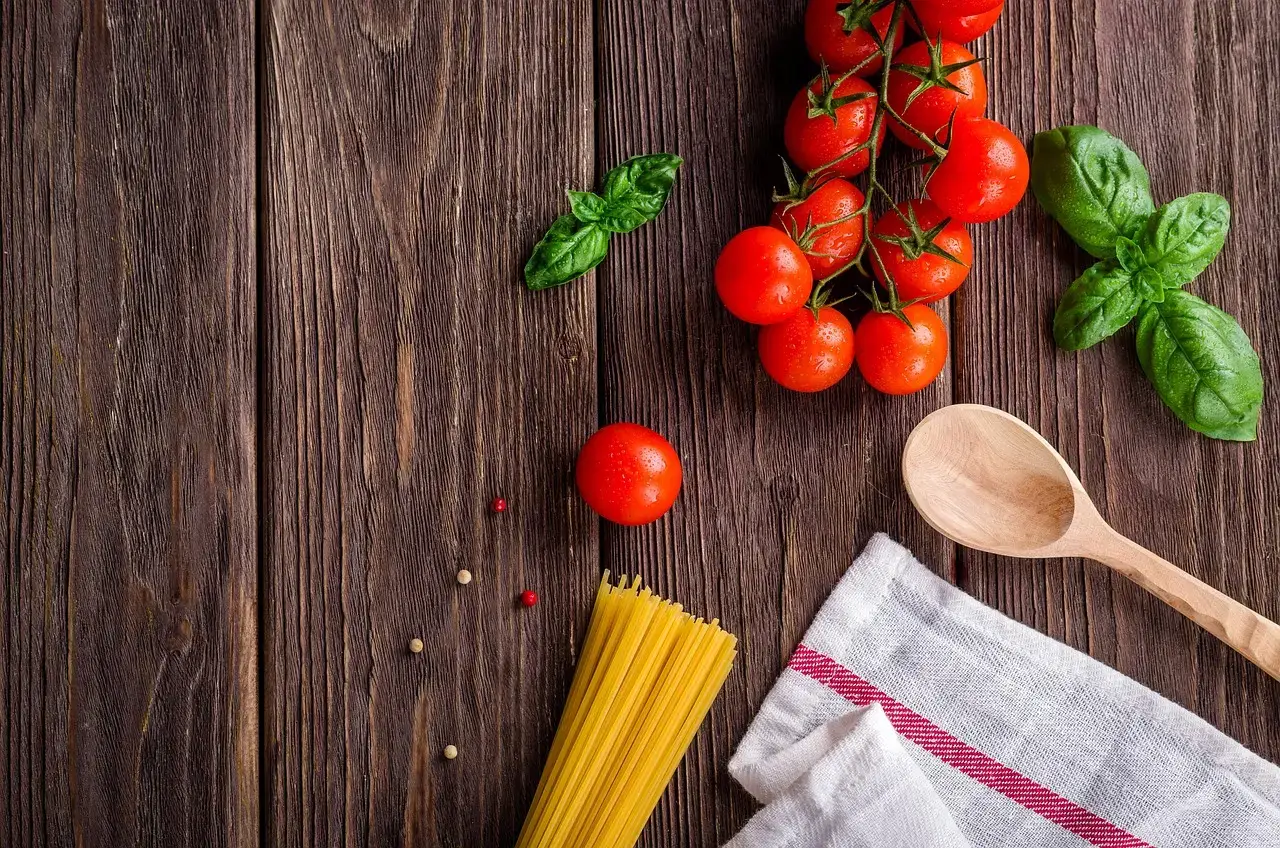
Here’s where things get really interesting. Tomato flavor is largely determined by the balance of sugars, acids and volatile compounds.
Volatile compounds are chemicals that evaporate easily and trigger your nose’s smell receptors. They’re basically the secret sauce of tomato flavor.
Out of roughly 25 important volatiles, 13 of them are significantly reduced in modern varieties. Scientists discovered this wasn’t even intentional in most cases.
It’s easy for any of these chemicals to simply drop out one by one over generations when the allele for poorer flavor is randomly selected, especially when nobody’s actually checking for flavor. Researchers identified 13 chemical compounds associated with flavor that were significantly reduced or lost in modern varieties relative to heirloom varieties.
Think of it like that symphony orchestra analogy one scientist used. Pull out one violin and you barely notice.
Remove half the instruments and suddenly something sounds very wrong.
Size Versus Sweetness: The Genetic Trade-Off
Let’s be real about something awkward. Bigger isn’t always better, at least not with tomatoes.
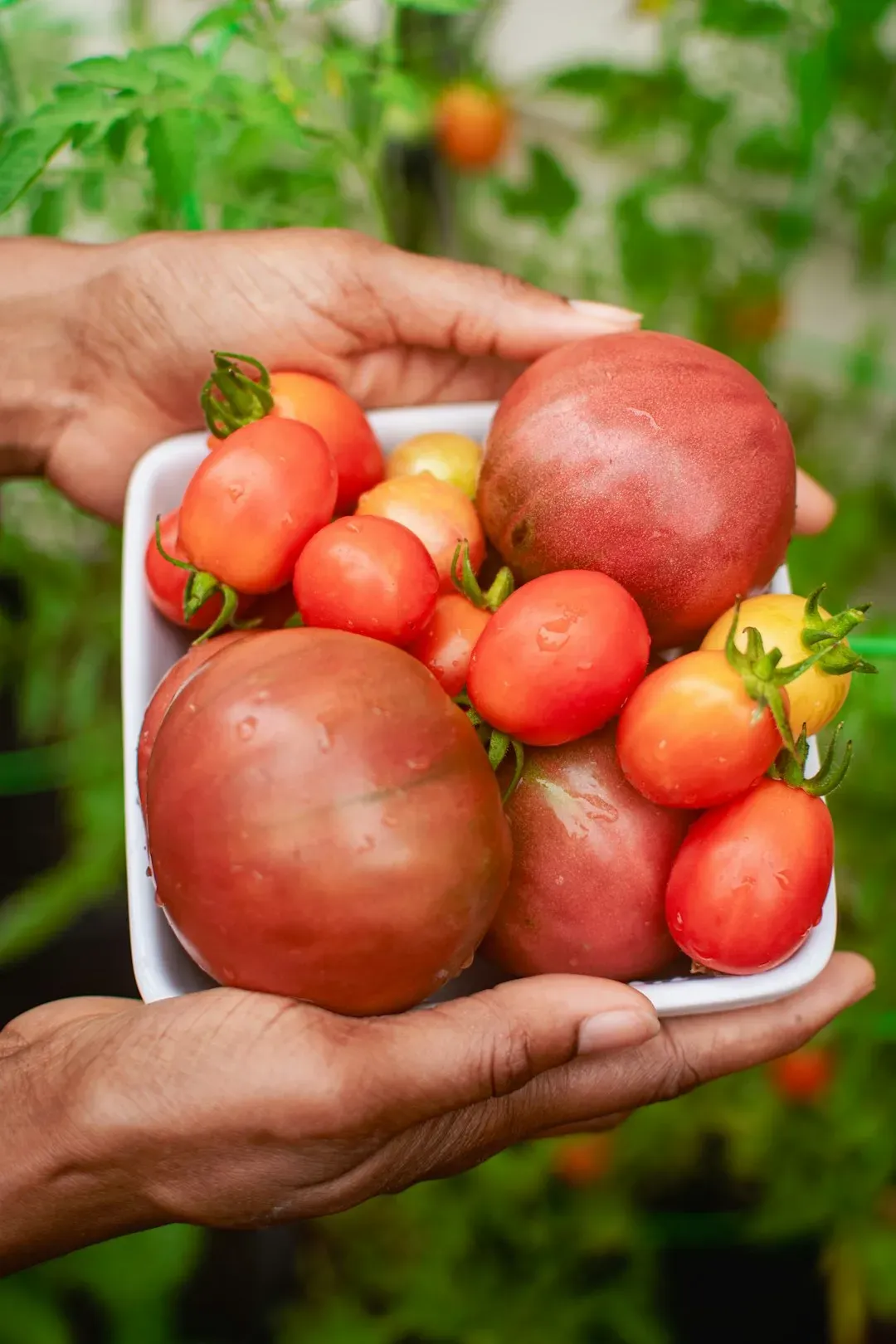
The bigger a tomato grows, the less sugar you tend to find in it, and thanks to modern breeding, tomatoes have expanded in size as much as 1000-fold since domestication. Smaller fruit tended to have greater sugar content, suggesting selection for more sizable tomatoes came at the cost of sweetness and flavor.
There’s a real genetic tension here. Some traits are incompatible, and size and sugar are two of them, with key genes linked to sweetness also linked to smaller fruit size.
The irony? Selection for big fruit and against sugar is dramatic in modern varieties, but it goes way back to pre-Columbian days when Native Americans were already selecting for bigger fruit with lower sugar.
We’ve been making this trade-off for centuries without fully realizing it.
The TomLoxC Gene and Flavor-Enhancing Variants
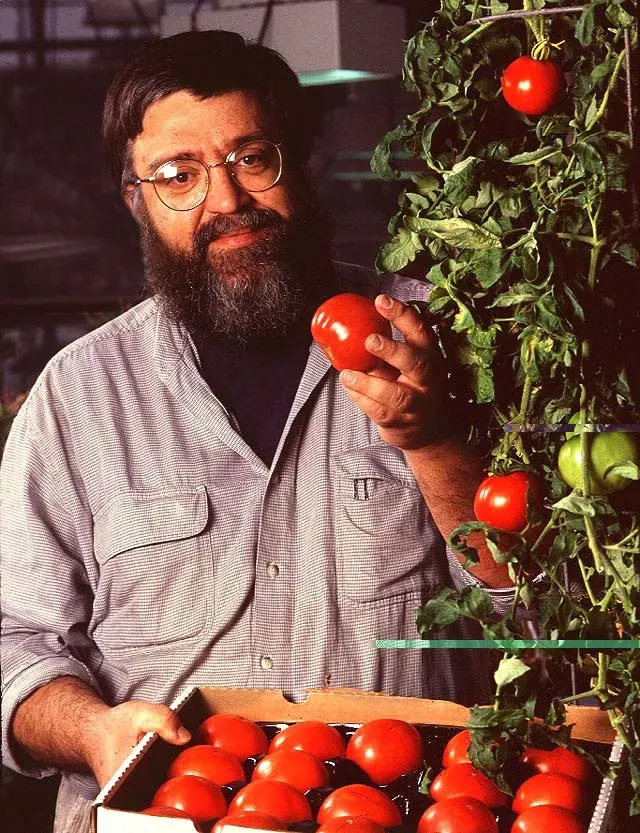
The gene TomLoxC controls the levels of apocarotenoids and is critical for tomato flavor, but the genes supporting variations that account for high apocarotenoids and better flavor were lost as tomatoes were bred for size, shape, disease resistance and shelf life. This is one of those smoking-gun discoveries.
These desirable gene versions are present in over 91 percent of wild tomatoes but only around 2 percent of domesticated tomatoes. That’s a staggering drop.
Some 90 percent of wild tomatoes had a rare version of TomLoxC, but only two percent of older domesticated tomatoes did, though it seems to be making a comeback with seven percent of modern varieties now carrying it. The fact that this flavor gene is slowly returning gives me hope.
Breeders are starting to pay attention again.
How Scientists Cracked the Flavor Code
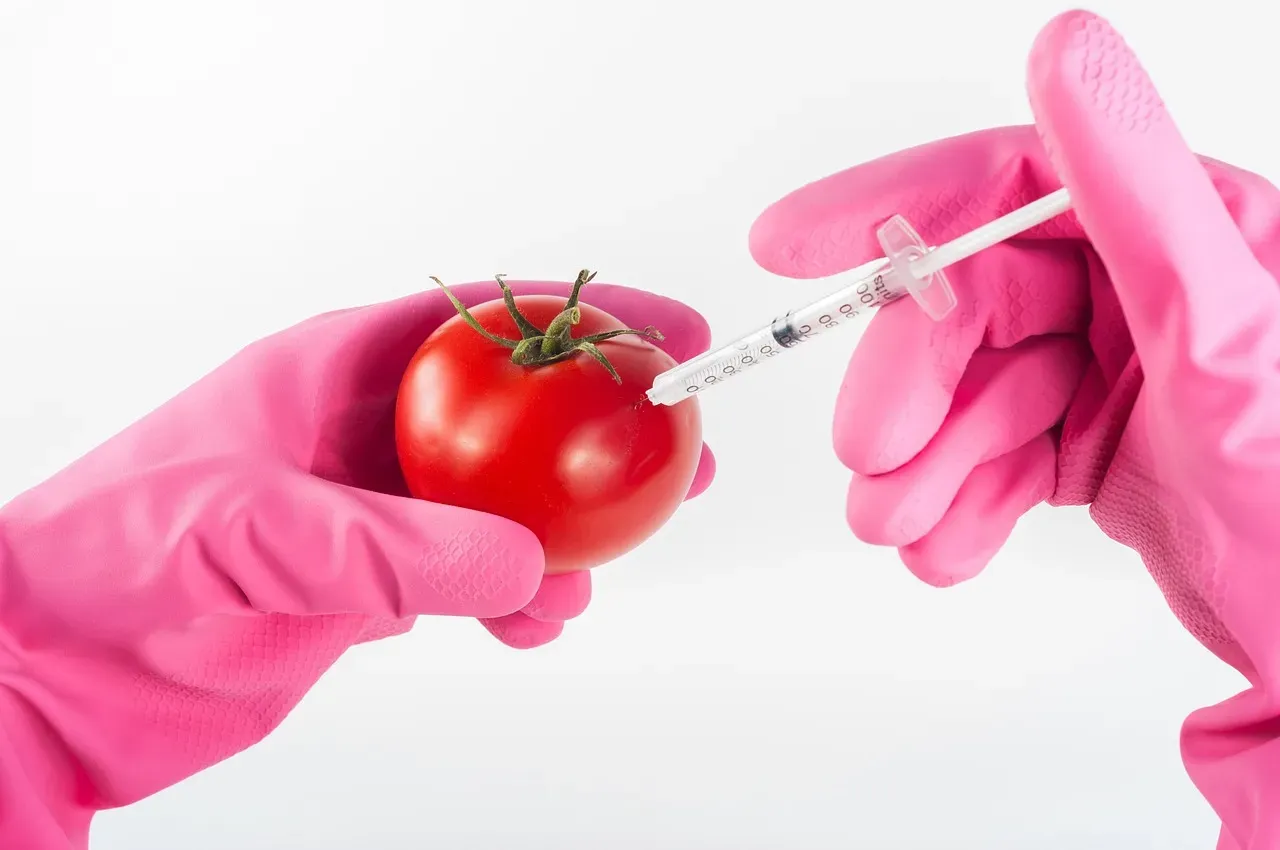
The breakthrough came from an ambitious project. Researchers combined tasting panels with chemical and genomic analyses of nearly 400 varieties of tomatoes and identified flavorful components that have been lost over time.
This wasn’t just lab work in isolation. About 75 panelists were asked to rate over 100 tomato varieties on overall liking, sweetness, sourness and other attributes, while these same varieties were analyzed for the biochemicals that make up flavor.
Matching human preference with genetic data was the key. Whole-genome sequencing and genome-wide association studies permitted identification of genetic loci affecting most target flavor chemicals, providing information necessary for recovery of good flavor through molecular breeding.
Scientists essentially created a genetic treasure map. They now know which DNA sequences correspond to which flavor compounds.
It’s like having the recipe for the perfect tomato written in molecular code.
The Pan-Genome Project’s Revolutionary Discoveries
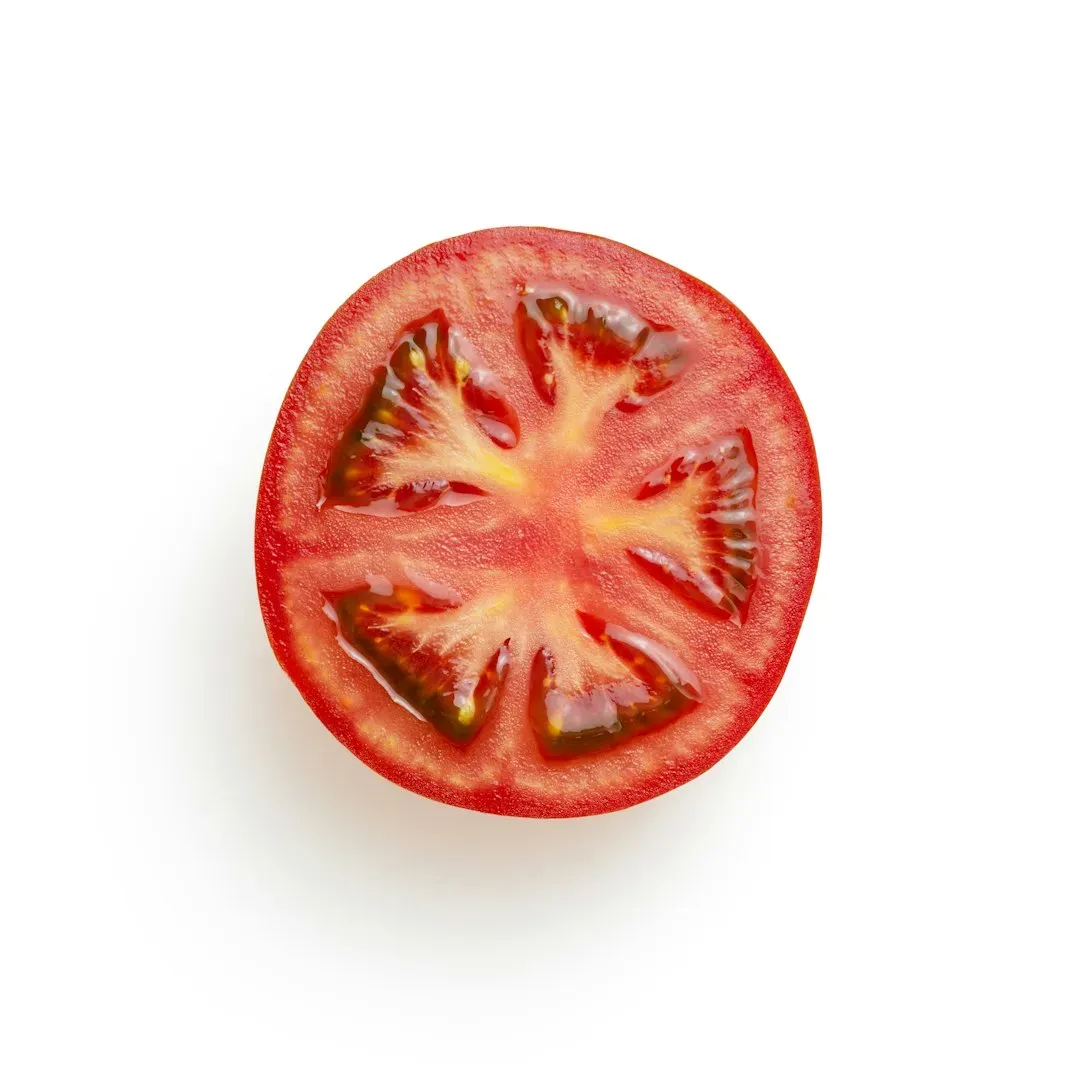
The new tomato pan-genome found about 5,000 previously undocumented tomato genes, with researchers mapping almost 5,000 genes that weren’t in the original genome. This work expanded beyond looking at just one reference tomato variety.
Researchers examined genetic data from 727 cultivated and closely related wild tomatoes. With this wide array of specific genetic information, breeders should be able to work quickly to increase flavor while preserving economically advantageous traits, with these novel genes providing additional opportunities for tomato improvement.
It’s honestly incredible how much genetic diversity was just sitting there waiting to be rediscovered. Genes lost during domestication include those responsible for defensive stress responses as well as flavor traits, meaning today’s tomatoes are more likely to be disease-prone and tasteless than their progenitors.
We accidentally threw out the baby with the bathwater.
Molecular Markers and the Future of Flavor Breeding

Here’s where things get practical. Examining DNA sequence during breeding is much simpler than analyzing flavor by taste panels, and now breeders can look at flavor attributes of a seedling the same way they look for disease resistance, discarding seedlings without DNA sequences indicative of good flavor.
Modern varieties are deficient in flavor chemicals because they lost more desirable alleles of several genes, so scientists identified the locations of good alleles in the tomato genome and used genetic analysis to replace bad alleles with good ones. This is classical genetics, not genetic modification.
Scientists are pushing tomatoes back to where they were a century ago taste-wise, though because breeding takes time and researchers are studying five or more genes, these genetic traits may take three to four years to produce in new varieties. Patience will pay off.
Recent Breakthroughs in Tomato Flavor Restoration
Johns Hopkins scientists discovered genes controlling fruit size in tomatoes and eggplants, with research published in Nature in 2025 potentially leading to development of new heirloom varieties. This latest work is still unfolding.
The discovery could usher in a new era of tasty tomatoes through pan-genetics, opening endless opportunities to bring new fruits, foods, and flavors to dinner plates worldwide. In March 2024, researchers published a comprehensive genetic study on citric acid in tomatoes, using genome-wide association studies to explore genetic influences on citric acid concentration.
Citric acid is one of those foundational flavor elements. Recent research has focused on restoring flavor traits while ensuring economically valuable traits aren’t lost, using molecular biology, genetics, and genomics tools to identify loci and genes involved in flavor volatile synthesis.
The scientific momentum around tomato flavor has really picked up in the past few years. It feels like we’re approaching a tipping point.
Why You Should Never Refrigerate Your Tomatoes
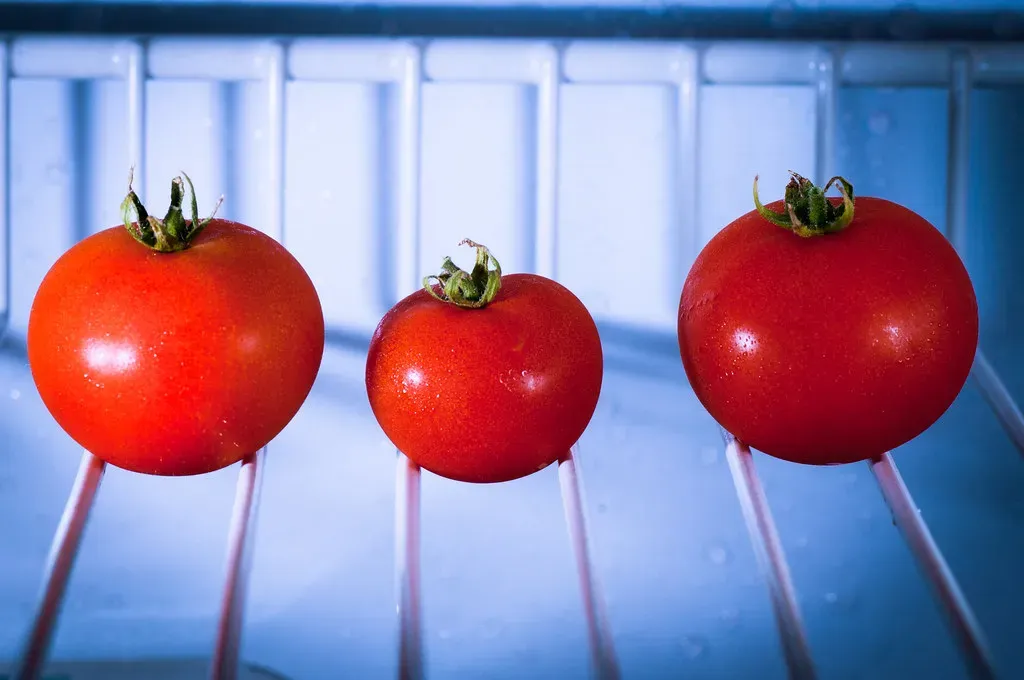
Tomato fruits constantly make more volatiles to replace those that evaporate, but low temperatures stop the synthesis of new volatiles, so all flavor compounds vanish. Seriously, refrigeration is flavor death for tomatoes.
One researcher was emphatic about never, ever refrigerating them. If you want to destroy tomato flavor, just put them in the refrigerator.
It’s that simple and that devastating. The cold doesn’t preserve flavor like you might think.
Instead, it shuts down the tomato’s ability to produce the chemicals that make it taste good in the first place. This is one change you can make immediately in your own kitchen.
Room temperature storage might feel counterintuitive, but it makes all the difference. Even slightly improved supermarket tomatoes won’t help if you’re killing their flavor in your fridge.
Want more stories like this? Follow us and never miss out!

- Apa Objek Terbesar di Alam Semesta? Kemungkinan Besar adalah Gugus Galaksi - March 19, 2026
- Klinik vaksin rabies gratis tersedia bagi warga Bexar County setelah 2 anjing liar positif dalam waktu seminggu - March 19, 2026
- Anggota legislatif negara memberikan pendapat tentang Departemen Kesehatan Jiwa - March 19, 2026


Leave a Reply