EPA finally approves Texas’ national park pollution plans after years of insisting they were too weak
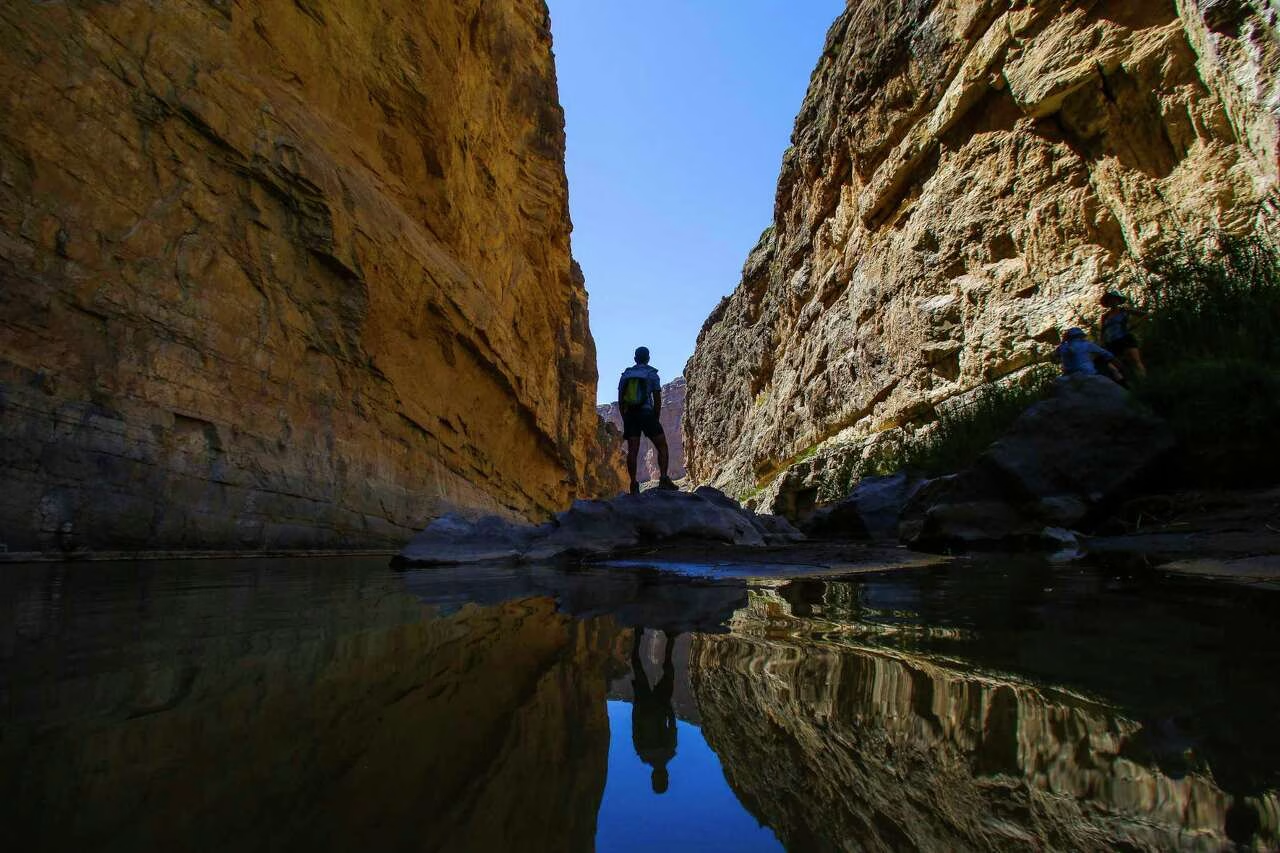
The Environmental Protection Agency on Friday approved Texas’ plans to take no new action against visible air pollution plaguing national parks – a sharp break from the agency’s long-standing demands for the state to make top polluters follow tougher standards.
Critics worry the move could strip a key federal tool to compel major polluters like coal plants to update their pollution control technology, protecting public health as well as visibility in beloved parks like Big Bend.
The EPA’s decision followed Trump-appointed administrator Lee Zeldin’s promises since March to narrow the pollution reduction effort known as the Regional Haze Program.
ANALYSIS: Air quality is worsening in this Houston neighborhood
Under the Trump administration, the EPA now says that aspects of the Regional Haze Program strengthened under President Barack Obama were not necessary to improve air quality. Even with its regional haze commitments in limbo, Texas’ emission reductions over the past two decades “far exceeded the reductions and improvements” contemplated in the state’s plans, the EPA filing said.
Houston-based air quality experts – including Rice University atmospheric scientist Daniel Cohan – disagree. Cohan has frequently called the haze program the “most important air pollution rule you’ve never heard of.”
With this latest decision, Zeldin’s EPA approved the Texas Commission on Environmental Quality’s reasons for not taking action against many major Texas coal plants that would have been required to make changes like adding new sulfur dioxide controls.
TCEQ representatives did not answer questions about the state agency’s reaction to the change.
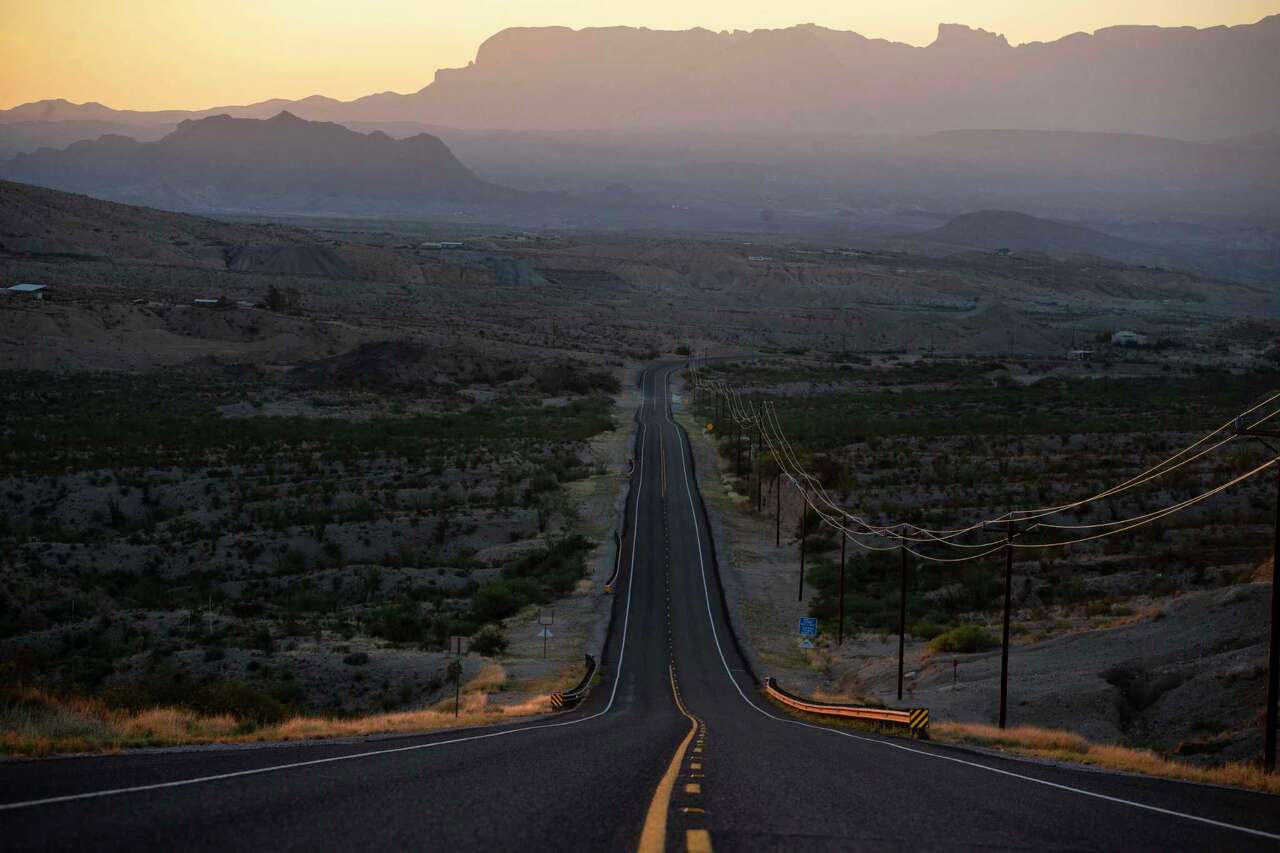
Coal plants power over 10% of Texas’ electrical grid, but they also release tens of thousands of tons of sulfur dioxide and other critical pollutants every year, triggering health concerns among researchers and environmental activists.
The EPA’s decision Friday lets many Texas coal plants off the hook, excluding some of the oldest such as NRG’s W.A. Parish Generating Station that fall under a different part of the haze rule.
GAPS: Missing air monitors in Houston’s booming suburbs
“Monitoring shows that the majority of haze comes from coal-burning power plants, and TCEQ and EPA have an obligation to reduce emissions from these facilities,” said Emma Pabst, a campaign manager for the environmental nonprofit Sierra Club. “But both agencies continue to blatantly disregard public input and show us – again and again – that our skies and our health aren’t important to them.”
Pabst criticized the TCEQ’s now-approved strategies as “do-nothing” plans that pave the way for Americans to get sicker. A combination of air pollutants that are considered “haze,” including visible particle pollution, contribute to respiratory and cardiac diseases.
Supporters of the EPA’s decision to pull back from the haze rule – such as the American Enterprise Institute, a conservative think tank – have said the law considers regional haze “a matter of aesthetics” that should not be conflated with other health-based Clean Air Act standards.
The Sierra Club is one of several nonprofits embedded in a web of lawsuits against the EPA over Texas’ regional haze plans.
A decade ago, Texas Attorney General Ken Paxton sued the federal government over the scope of its regional haze rule aimed at cleaning up visible pollution in national parks like the Guadalupe Mountains and Big Bend; the Sierra Club objected. The group later joined with the National Parks Conservation Association and Environmental Integrity Project for a lawsuit with the opposite goal: to compel the EPA to enforce its rule and reduce Texas pollution.
The EPA’s most recent move represents a major win for Texas’ long-held argument that the EPA’s intervention in Texas’ regional haze plans amounted to undue federal influence.
Related Reading
Harris County jury sentences Tony Earls to 20 years for 2022 killing of 9-year-old Arlene Alvarez
Why are there so many dead fish in Lake Conroe? Montgomery County officials are investigating
Texas megachurch co-founder steps down after ‘sexual sin and moral failure’
Subscribe
There’s more to Houston with the Chronicle. Subscribe today for just 25¢.

- Hewan juga Terjebak Ilusi Optik untuk Bertahan Hidup - March 21, 2026
- Eric Dane mengungkap jatuhannya yang tidak menyenangkan, dan perawatan di rumah sakit adalah alasan dia melewatkan pertemuan ‘Grey’s Anatomy’ di Emmy - March 21, 2026
- 7 Kebiasaan Harian yang Mengancam Kesehatan Ginjal - March 21, 2026


Leave a Reply