The science behind shrinkflation: Visual evidence your favorite snacks are shrinking
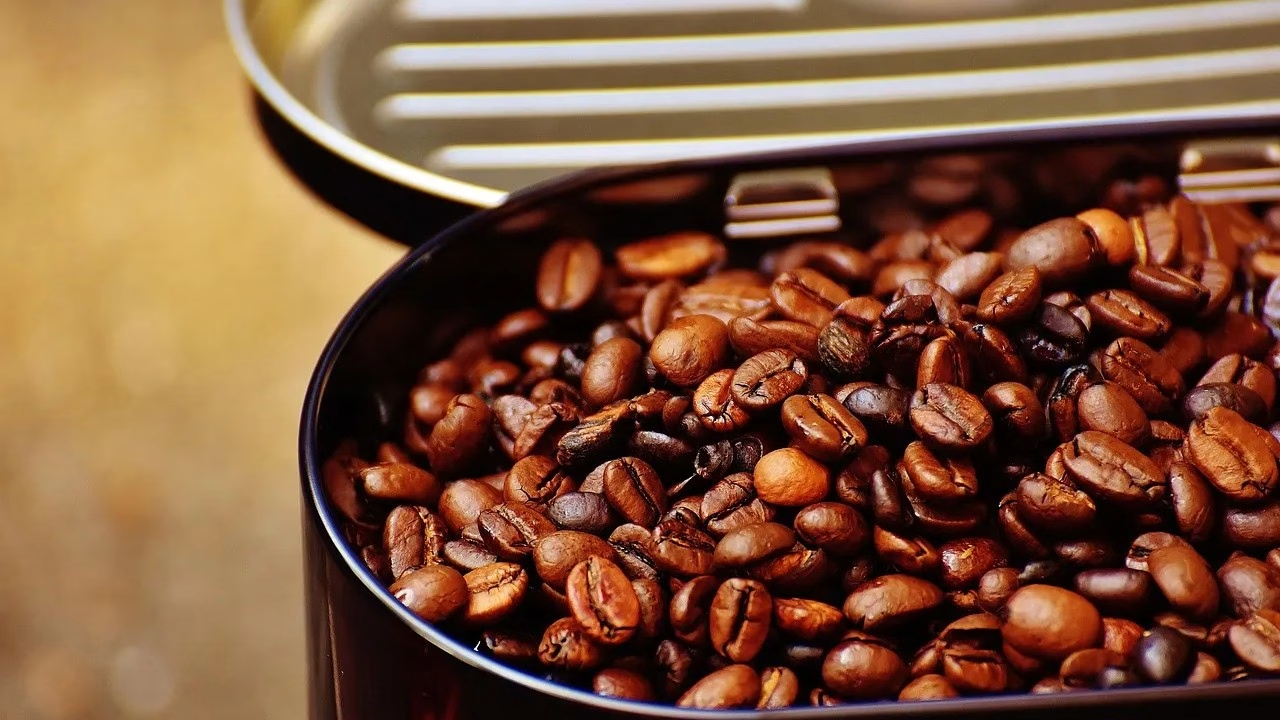
You’ve felt it, haven’t you? That nagging suspicion when you open a bag of chips and it feels lighter than usual.
Or when your favorite cereal box seems to empty faster than it used to. Here’s the thing: you’re not losing your mind.
Your snacks really are shrinking, and there’s actual science behind why companies do this and how they get away with it. Let’s be real, shrinkflation has become one of those things everyone’s talking about but few truly understand the mechanics behind it.
Companies have turned product downsizing into an art form, using everything from visual tricks to psychological blind spots to make you think nothing’s changed. The numbers tell a shocking story, and once you see the evidence, you won’t look at grocery shopping the same way again.
The Numbers Don’t Lie: Just How Bad Is Shrinkflation?
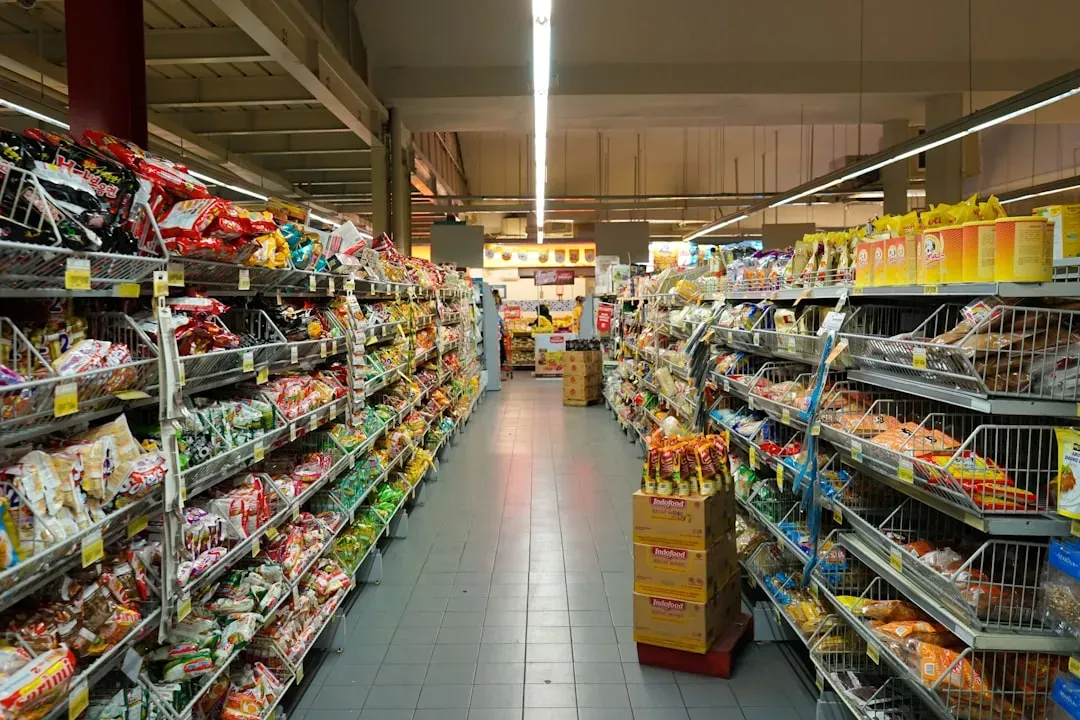
S. consumers noticed grocery shrinkflation in 2023, and over three-quarters of surveyed consumers say they have noticed shrinkflation at the grocery store in the previous 30 days according to the October 2024 Consumer Food Insights Report.
That’s not a small percentage of paranoid shoppers. That’s the vast majority of Americans catching on to what manufacturers thought they could hide.
Roughly one-third of approximately 100 common consumer products tracked by LendingTree have shrunk in size or servings since the pandemic. The scale is staggering when you dig into specific categories.
3% of price inflation among selected national grocery brands between 2019 Q1 through 2023 Q3. Think about that for a second – nearly one in ten price increases you’ve experienced wasn’t a price increase at all, but rather you getting less product for the same money.
The median product is reduced by 11 percent in package size, leading to a meaningful increase in unit price by 9 percent. Some products have it even worse.
5 ounces to 1 ounce.
Household Paper Products: The Worst Offenders
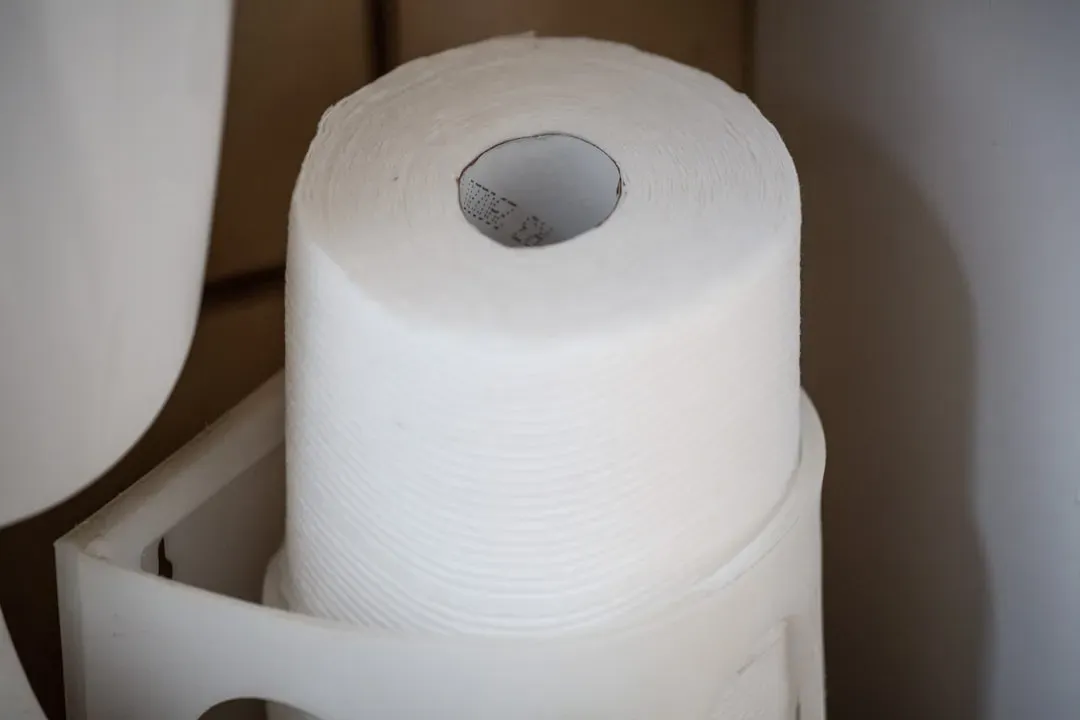
Household paper products have the highest rate of shrinkflation, with roughly 60% of 20 products tracked from prior to the pandemic until today having reduced their sheet count. Your toilet paper and paper towels aren’t just more expensive – they’re literally giving you less to work with.
3% increase. Honestly, it’s almost insulting when you think about it.
These are necessities, not luxury items. Cottonelle Mega Rolls now come with 312 one-ply sheets instead of 340 one-ply sheets – that’s an entire roll of toilet paper you’re not getting, while still paying the same price.
Manufacturers have been the most aggressive with paper products, repeatedly downsizing for decades. The sneaky part?
They don’t just cut sheets. They adjust dimensions, change what “mega” or “super” means, and redesign packaging so you can’t easily compare the old version to the new one.
Breakfast Cereals: Your Morning Is Getting Smaller
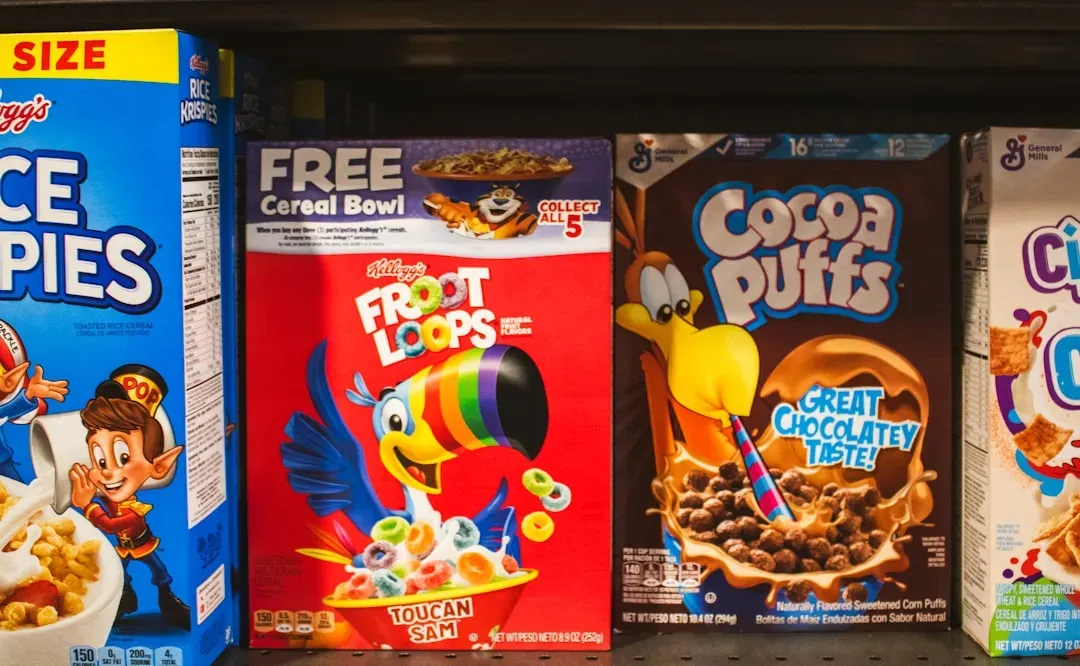
Breakfast foods had the second-highest rate of shrinkflation, with approximately 44% of tracked items now sold in smaller portions. 7 ounces, resulting in a 40% increase in per-ounce pricing.
Let that sink in – a reduction of just over two ounces translated to a massive jump in what you’re actually paying per ounce. Many cereal makers, including General Mills, maker of Cocoa Puffs, have used shrinkflation on family favorites, dropping the size of its “Family Size” offerings for multiple cereal products in 2021.
50. I know it sounds crazy, but cereal boxes have gotten thinner and shorter over time, carefully calibrated so the change isn’t immediately obvious on the shelf.
The box might look similar in height, but turn it sideways and you’ll see how much slimmer it’s become.
Snacks and Chips: Less Crunch for Your Cash
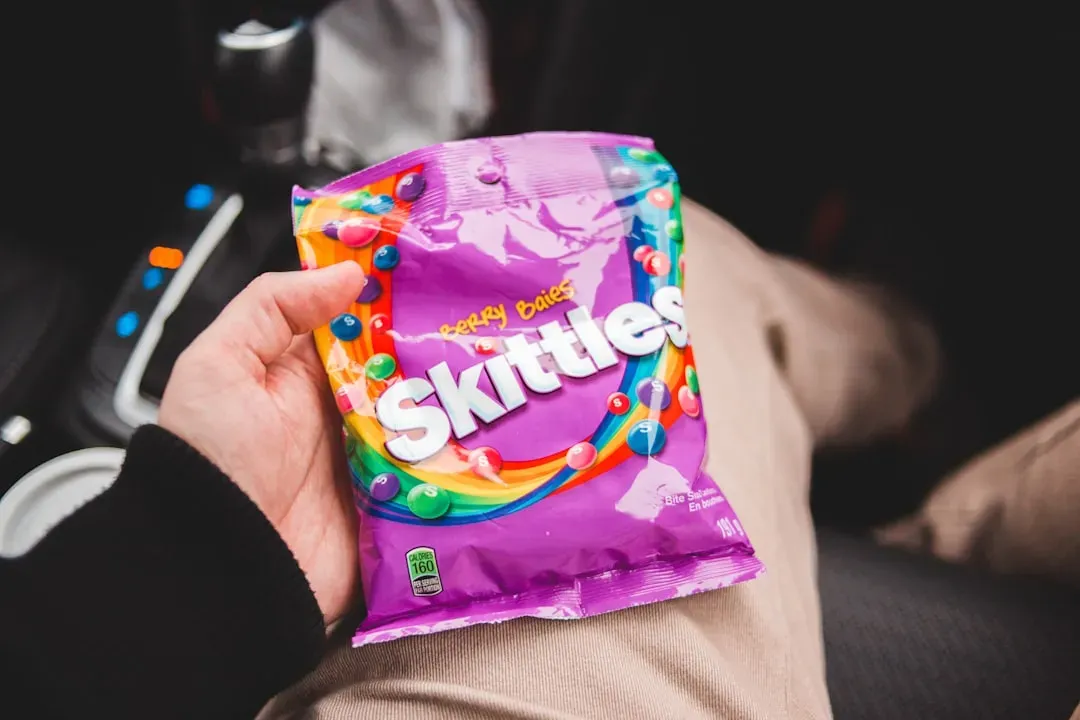
The snack aisle tells one of shrinkflation’s most frustrating stories. 5 ounces while its per-ounce price rose to 40 cents from 17 cents.
25 ounces in 2023, with snack sizes quietly shrinking and the cost per chip or crisp effectively going up. The Family Size box for Wheat Thins was reduced from 16 ounces down to 14, resulting in a loss of about 28 crackers, and that deep cut doesn’t even account for broken crackers.
5 ounces in 2023. 8 percent of that price increase has been accomplished by giving families fewer chips and cookies for their dollar.
The psychological impact? You’re snacking away, wondering why you’re still hungry after finishing what used to be a satisfying portion.
Candy: Sweet Treats Getting Bitterly Small
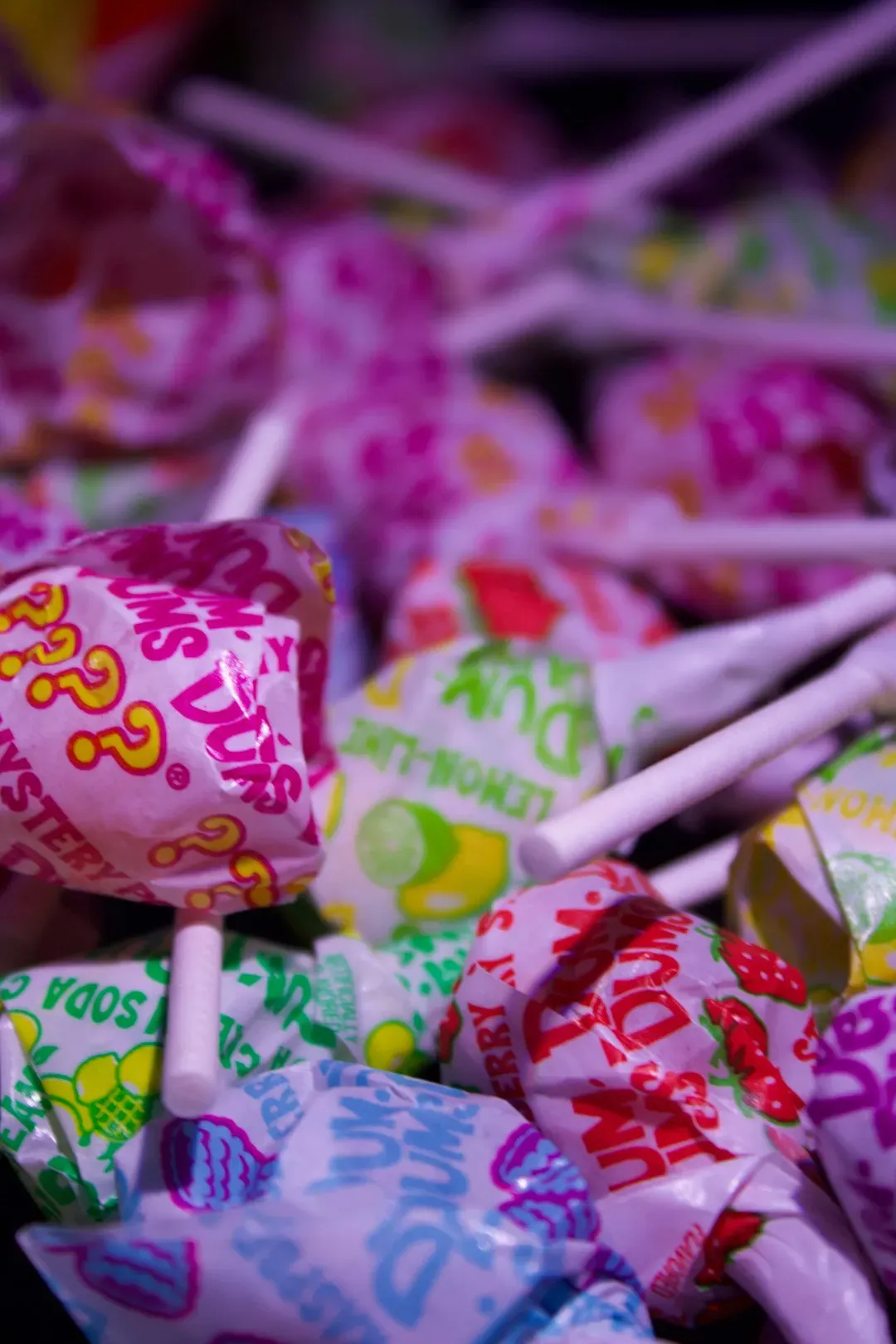
6 ounces and party-size milk chocolate M&M’s dropping from 42 ounces to 38 ounces. 07 ounces to 10 ounces in 2023 with no change in price.
7 oz worth of candies just a couple of years ago, but now it’s down to 10 oz – roughly 22 fewer M&Ms in them nowadays. Twenty-two fewer pieces of candy for the same price.
That “sharing size” name suddenly feels more accurate because there’s simply less to go around. Cadbury milk chocolate bars have shrunk by 10%, and Hershey’s Kisses and Reese’s Peanut Butter Cup packages are smaller too.
The candy industry has perfected the art of downsizing while maintaining that familiar packaging look, betting that nostalgia and brand loyalty will override your rational calculation of value.
Ice Cream and Frozen Foods: Cold Hard Evidence

Ice cream manufacturers haven’t been shy about shrinkflation either. Tillamook openly admits on its website that it downsized its ice cream packaging while keeping the same price, with package size dropping from 56 to 48 ounces.
At least they were honest about it, which is more than most companies can claim. In 2023, one popular national dessert brand reduced the milkfat in its ice cream below the federally required 10%, and the brand now refers to its product as “frozen dairy dessert”.
They literally can’t call it ice cream anymore because they cheapened the formula so much. That’s not just shrinkflation – that’s what researchers call “skimpflation,” where quality degrades alongside quantity.
Frozen meals haven’t escaped either. Companies reduce portion sizes while keeping tray dimensions nearly identical, creating the illusion you’re getting the same meal you’ve always bought.
Coffee: Your Morning Brew Is Weaker
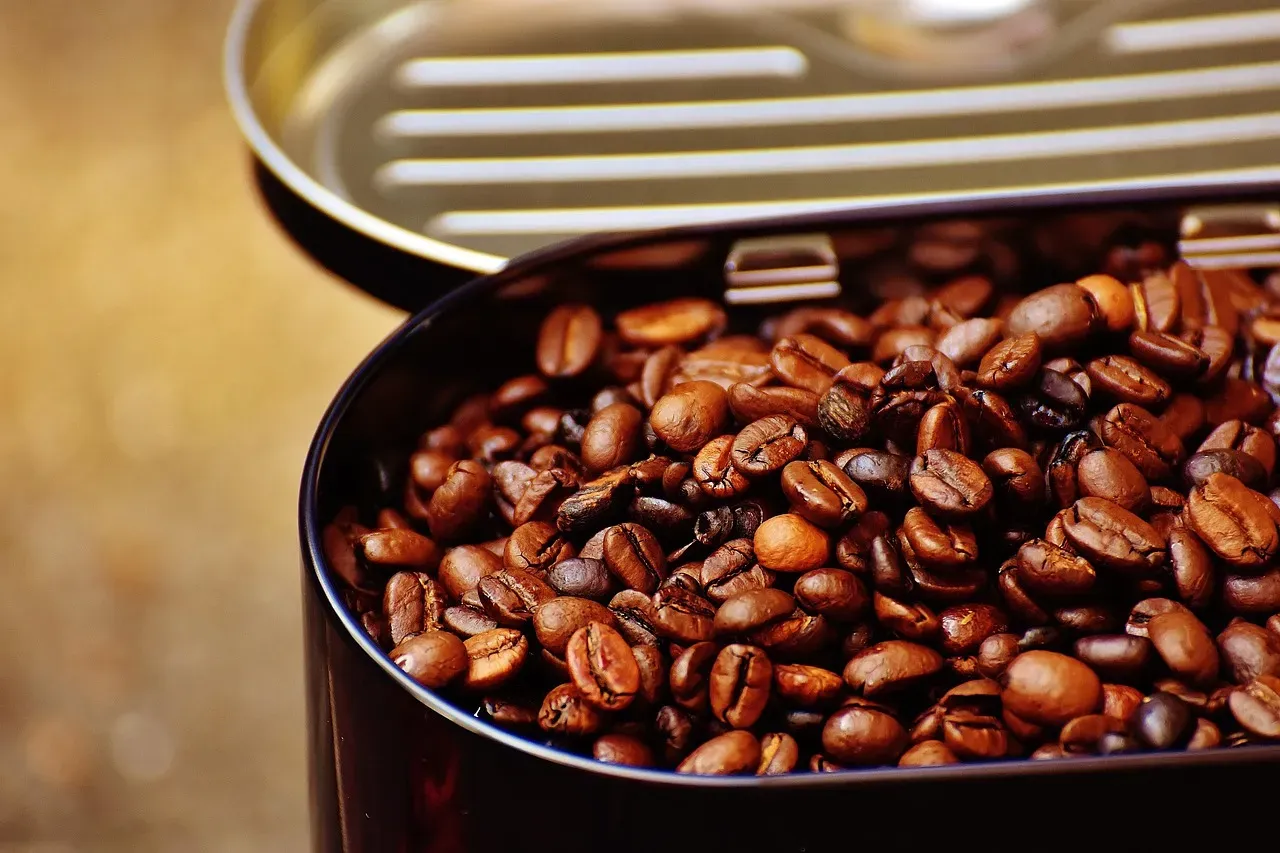
5 ounces, offering fewer cups of coffee per purchase. That’s a reduction of roughly 15%, but the can looks similar enough on the shelf that many shoppers don’t notice until they’re measuring out grounds at home.
Coffee represents one of those daily necessities where small changes add up fast. If you’re brewing a pot every morning, that seven-and-a-half-ounce difference means you’re buying coffee more frequently without consciously realizing why your supply runs out faster.
It’s a slow burn that hits your wallet over time.
The Psychology Behind Package Perception

Here’s where it gets really interesting from a scientific standpoint. S.
retail market and consumers tend to react more strongly to price changes than to changes in size, with this divergence likely due to limited consumer attention to size changes. Our brains simply aren’t wired to detect these subtle shifts in package dimensions.
Research explains why consumers perceive size reductions accurately when only one dimension of the package is reduced but completely fail to notice up to a 24% downsizing when the product is elongated, even when they pay close attention or weigh the product by hand. Think about that – you could hold two versions of the same product, one nearly a quarter smaller, and your brain might not register the difference if the shape changed correctly.
While 82% of consumers check the price of food items before buying, fewer consumers check for unit price (51%) or weight (44%), and without checking weight or unit price, consumers may not notice reductions in the quantity or value of their typical grocery products. Manufacturers exploit this blind spot ruthlessly.
Visual Tricks and Packaging Deception
Package designers have become masters of deception. Companies may make subtle changes to packaging so it’s hard to tell you’re getting less, such as peanut butter jars that appear the same size but are indented at the bottom with less inside, and cereal boxes made thinner instead of shorter to avoid detection on shelves.
The indented bottom is particularly devious – the jar takes up the same shelf space and looks identical until you flip it over. The AddChange heuristic model of size impression shows that people add rather than multiply the percentage changes in the height, width, and length of objects to compute their volume, and this simple deterministic model accurately predicts consumers’ perceptions of product downsizing.
Manufacturers understand this cognitive shortcut and design packages to exploit it. Elongated packages, slimmer profiles, strategic use of empty space, and even changes in how products are stacked or arranged inside packaging – all calculated moves to make shrinkflation invisible to the casual observer.
The Real Cost to Your Wallet
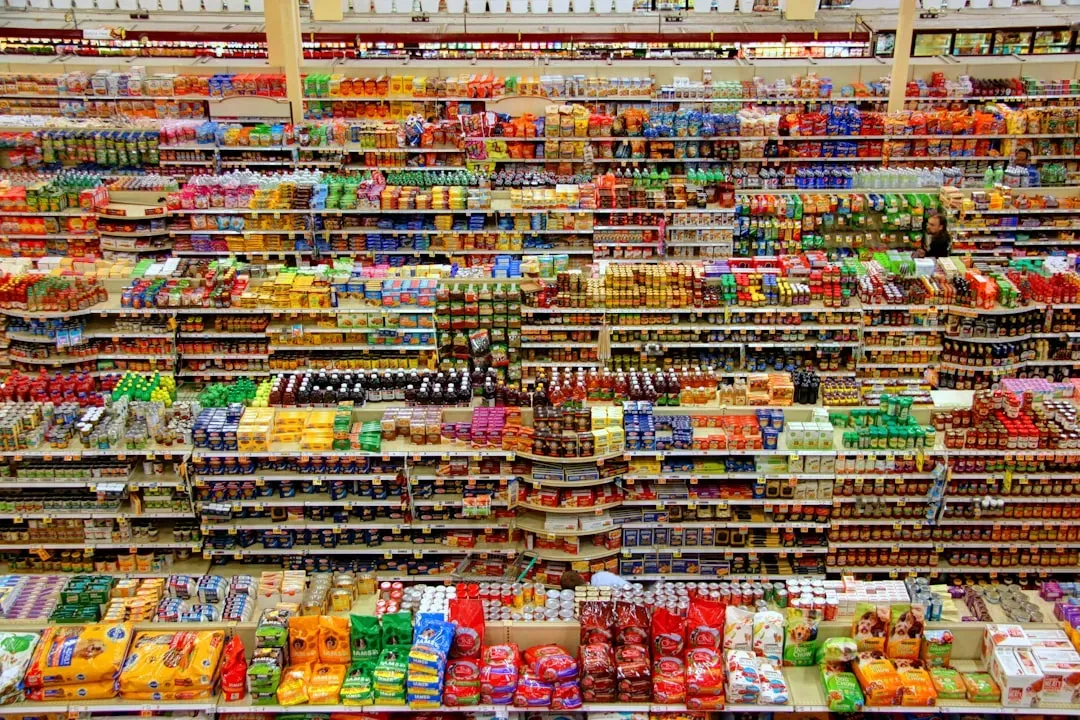
3% of grocery price inflation. Three-quarters of Americans have noticed shrinkflation at their grocery store, and among them, 81% have taken some kind of action as a result, with 48% of American shoppers abandoning a brand due to shrinkflation.
People are catching on, and they’re not happy about it. Most consumers – 82% – think shrinkflation is a common practice used by food companies and 76% believe it is a result of trying to increase profits even when costs are not rising.
Whether that perception is entirely fair or not, the trust between consumers and brands has eroded significantly. The sneaky nature of shrinkflation breeds cynicism in ways that honest price increases might not.
Did you expect that your grocery bill troubles weren’t just about prices going up, but also about getting systematically less for your money? What products have you noticed shrinking in your own shopping cart?
Want more stories like this? Follow us and never miss out!



Leave a Reply