The Steins;Gate reboot delay is bad news for the entire anime industry
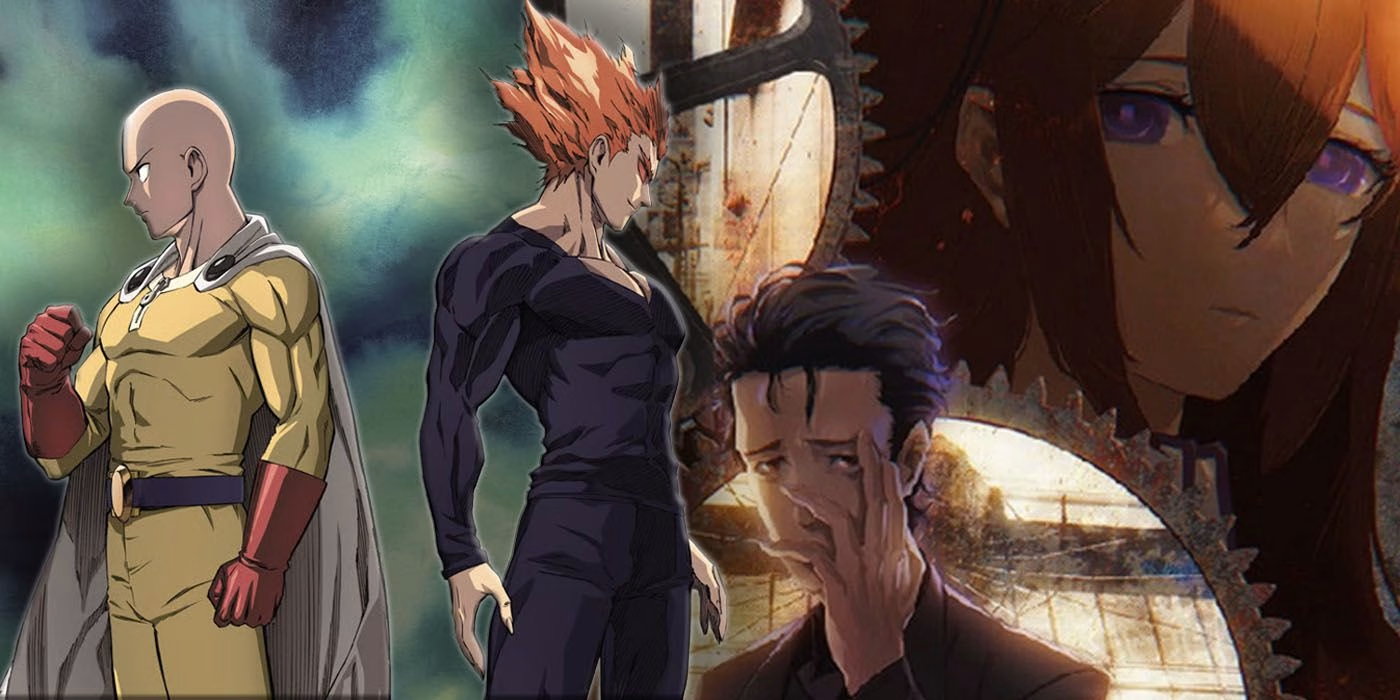
One of the most iconic science fiction anime in the last two decades was easily Steins;Gate, which has remained incredibly popular since it was originally released. Unbeknownst to some, however, this was actually based on a preceding visual novel, the likes of which is now receiving a remake over a decade later. This remake will sadly take a bit longer to enjoy, but this unfortunate development actually reflects even worse on anime as a whole.
The delay of Steins;Gate Re:Boot was simply due to the game not being ready, even if it would seemingly be an overall simple game, given its genre. Delays in the video game industry are actually common, with the intent being to release the title when it’s at its best state. The anime industry sadly hasn’t tended to follow suit, with several major anime in the past decade needing a lot more time in the oven.
The Newest (and Oldest) Steins;Gate Game Has Been Delayed
Two years before the anime came out, Steins;Gate began as a visual novel video game, and it was actually part of a trilogy. Steins;Gate came after the similarly stylized Chaos;Head, with that game being released in 2008. Whereas many games in this genre tend to be romance-based and even outright erotic, the series was instead a science fiction story, with the central setting being the Japanese city Akihabara.
There are notably different “worldlines” explored in the story, with these representing different timelines within the game’s branching paths. As in the anime, the protagonist is Rintaro Okabe, who discovers that a special microwave he and his friend had been developing actually has the power to send messages and memories through time. Unfortunately, an organization called SERN tries to violently acquire this technology itself, sending Okabe on several journeys throughout time to prevent an untimely death.
Much like the acclaimed anime it inspired, the Steins;Gate visual novel was widely well-received and especially praised for its writing. Many noted its dramatic storytelling and how seemingly irrelevant plot points were developed or brought back down the road. This success saw it ported to several consoles and hardware, with the game coming to the US in 2014. Along with the anime adaptation, there was also a manga, along with sequels and a remake that used footage from the anime.
This isn’t the only remake planned for the modern classic, with Steins;Gate Re:Boot announced back in 2024. This marked the 10th anniversary of the visual novel coming to the West, and it was over a decade since the release of the game and its chief adaptations. Unfortunately, while it was intended to come out in 2025, it’s now been delayed to sometime in 2026. While this prevents any “hacking to the gate” this year, it’s for the best if the product is appropriately refined in the interim.
Video Games are Delayed — But Anime Rarely Is
The delay of Steins;Gate Re:Boot isn’t an uncommon occurrence within the video game industry, as games big and small constantly get pushed back. After all, the upcoming Grand Theft Auto VI has been waited upon for years, to the point where this huge gap in between its release and that of its predecessor has become a veritable meme. Even before the current video game generation, this happened quite a bit, with some games outright skipping their intended generations.
For instance, the formerly infamous game Metroid: Dread was tentatively announced back during the era of the Nintendo DS and the Nintendo Wii before being canceled, and when it was finally produced and released, it came out for the first Nintendo Switch console, over a decade later. The whole point of these delays is to ensure that the games are free of bugs or similar issues, giving fans only the best experience out of the gate instead of trying to fix these things later with patches and downloads.
Sadly, this isn’t quite as common in other industries, and that includes anime. Anime projects are usually never delayed, and this is likely to only increase given today’s anime landscape. The medium is bigger than ever, and both the growing international fanbase and streaming platforms are constantly searching for the “next big thing” franchises.
his was readily apparent on the Crunchyroll streaming service back in 2024, with the streamer jumping around with several major hits throughout the year. For instance, the first season of Kaiju No. 8 was heavily promoted by Crunchyroll, and this was merely a matter of weeks after it had begun giving the hit series Solo Leveling an even bigger red carpet treatment. There’s no telling what will take off and what will really become an unprecedented hit, and with the monetary potential of these brands, the lust for more anime all the time has never been stronger.
This does have some less-than-desirable results, especially given the types of anime constantly being produced. Isekai anime has become one of the biggest trends in the industry, and the rate of “assembly line slop” isekai has been readily apparent for years at this point. Most of these have increasingly generic stories and similarly middling visuals, with nothing really standing out about them. Plus, they’re produced at a breakneck pace, and it’s clear that it’s all in an effort to strike while the iron is hot.
Given that this is the industry’s attitude towards some of the most common anime, this lack of both patience and polish can harm even the biggest names in the industry. The types of delays seen in video games would only help the industry, especially since there have been such big disappointments in the past few years.
One-Punch Man Could’ve Saved Itself Embarrassment With a Simple Delay
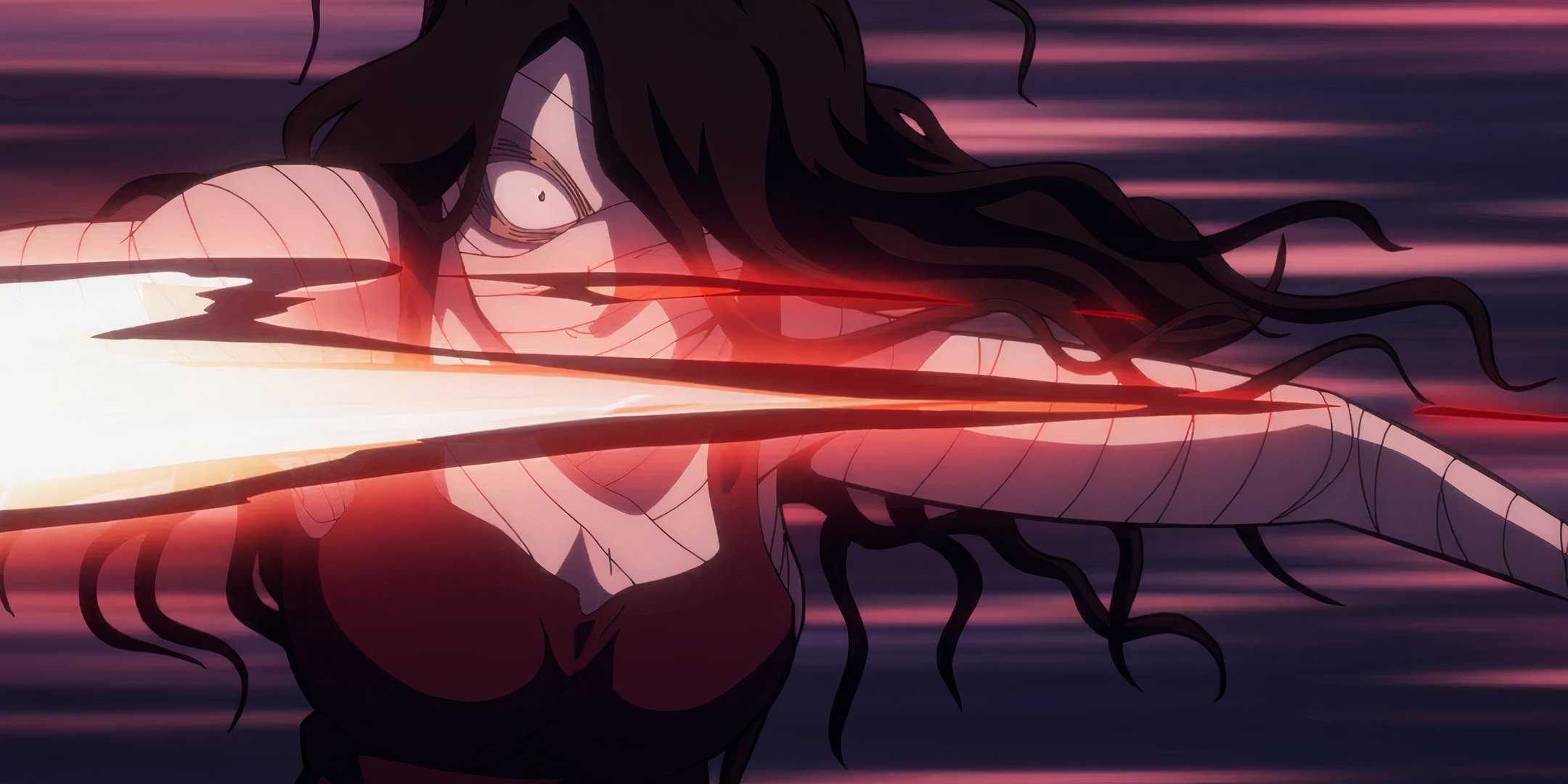
One of the most anticipated 2025 anime was the third season of One Punch Man, which continued the story of the popular anime adaptation. Many had noted that the second season wasn’t nearly as good as the first, which is why there was tentative hope that One-Punch Man Season 3 would improve things and get them back on track. Sadly, that wasn’t meant to be, and this long-awaited season was largely seen as an absolute dud.
One Punch Man Season 3 was heavily criticized for its laughably bad and lazy animation, with this being an extension of its rushed, hurried production. The animation models were rarely consistent, with the anime’s change in production studio also seeing it have a lower budget and generally poor pacing to match its visual issues.
The poor quality of One Punch Man can be blamed on intentionally staying rigid with a previously planned release date, supposedly in the name of gaining and maintaining momentum, given how long it had been since Season 2. A delay for it by at least a year would have ultimately been for the better, as much of this momentum has now been ironically lost.
It’s hard to get excited about a potential fourth season of One-Punch Man when the third was so poorly done, and if the studio doesn’t give the material the required attention, fans will act accordingly. A delay would have helped prevent many of the season’s issues, and it could have created more hype for the pending season if the footage being previewed was actually good after being meticulously produced. That didn’t happen, however, and instead of having to wait for a good season, fans were treated to a rushed bad one.
Junji Ito’s Uzumaki is a Real-Life Animation Horror Story
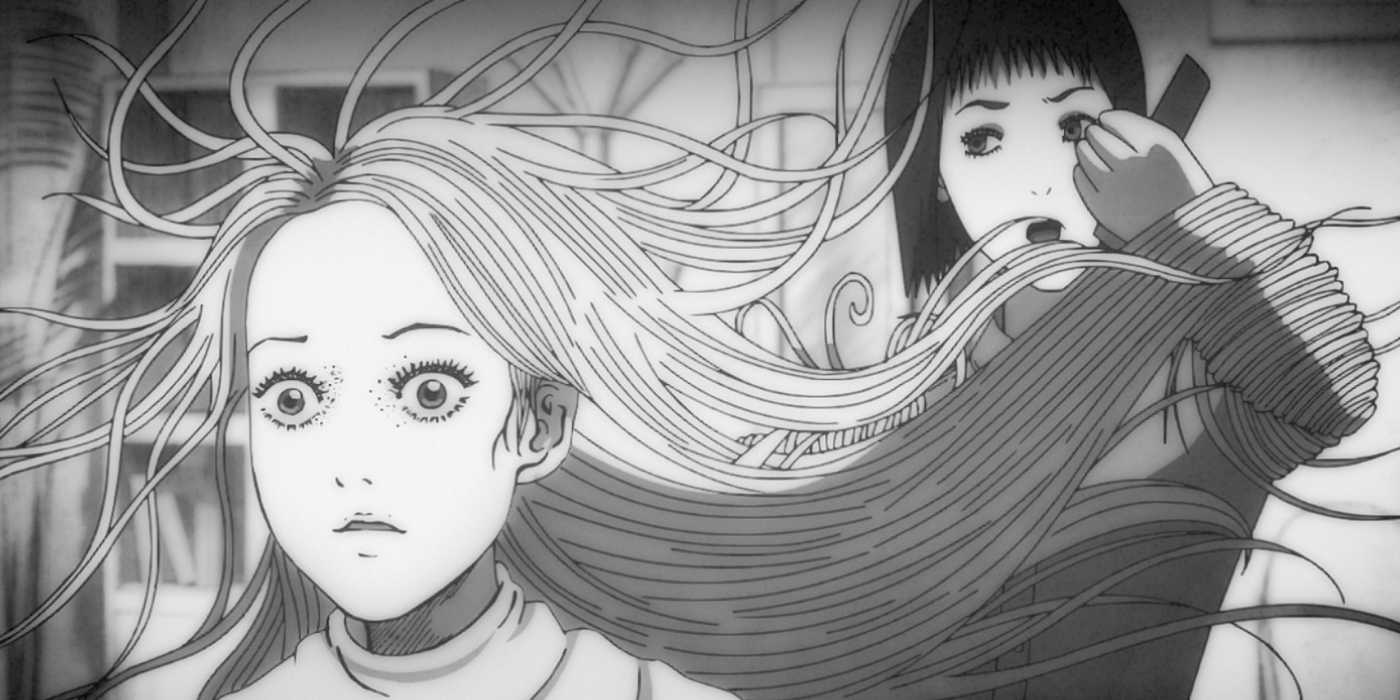
One of the most infamous anime adaptations of the past few years was Uzumaki, which was based on one of Junji Ito’s most iconic horror manga. The first episode was largely seen as great, but many fans worried about the plan to give the anime only four episodes. This anime had been in the works for years and had a truly hellish production, to the point where it was downright miraculous that it came out at all.
Unfortunately, the attention to detail in its first episode wasn’t seen elsewhere, and it’s clear that the last three episodes were comparatively rushed. This was most notable in the animation, which simply wasn’t up to snuff in terms of bringing Ito’s art to life. For as much time was spent on it to begin with, it’s possible that a delay might have actually fixed it entirely.
Delaying Uzumaki to give all four episodes the same treatment as the first would have saved the moribund anime adaptation, even if the length of these episodes wasn’t extended. In doing so, it would have permanently changed the reputation and aura surrounding Junji Ito anime adaptations, with many now seeing his works as being impossible to properly adapt. That isn’t really the case, as seen in the first episode of Uzumaki.
Unfortunately, the other episodes didn’t have the same polish, even if it could have happened with time. Anime being delayed really would be for the best across the board, and it might mean missing an intended release schedule to ensure a better product. This seems unprecedented to some, but as shown in video games, the outcome is almost always better than if things were rushed.

- Gejala Batu Ginjal yang Dikisahkan 2 Pasien Sebelum Operasi - March 21, 2026
- Susan G. Komen More Than Pink Walk pindah ke Miami-Dade County Fairgrounds - March 21, 2026
- Hewan juga Terjebak Ilusi Optik untuk Bertahan Hidup - March 21, 2026



Leave a Reply