9 animals Hollywood turned into monsters – science disagrees
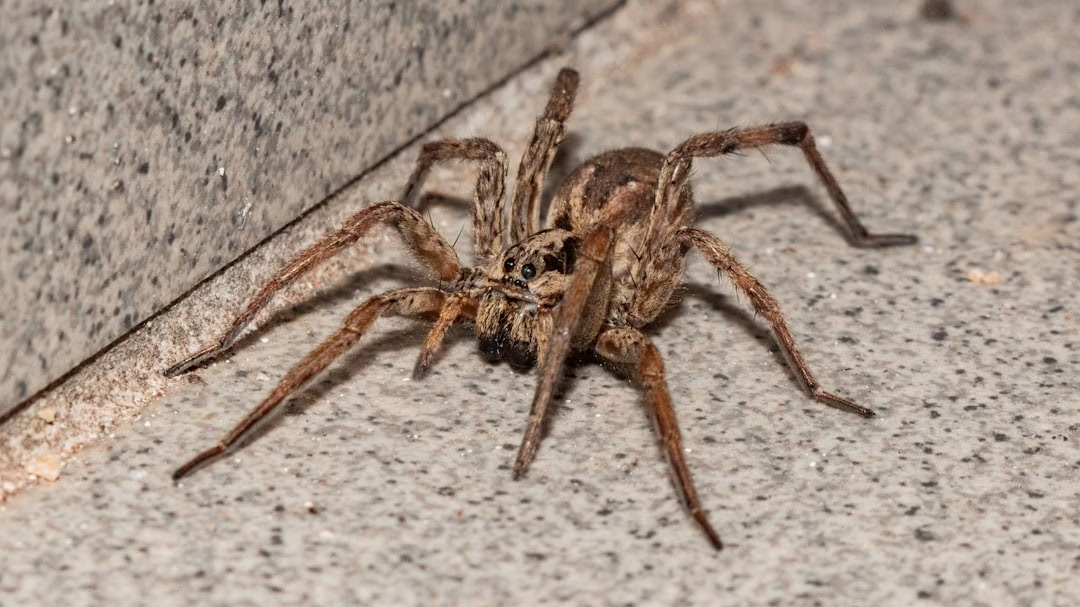
The Great White Shark – Jaws’ False Legacy
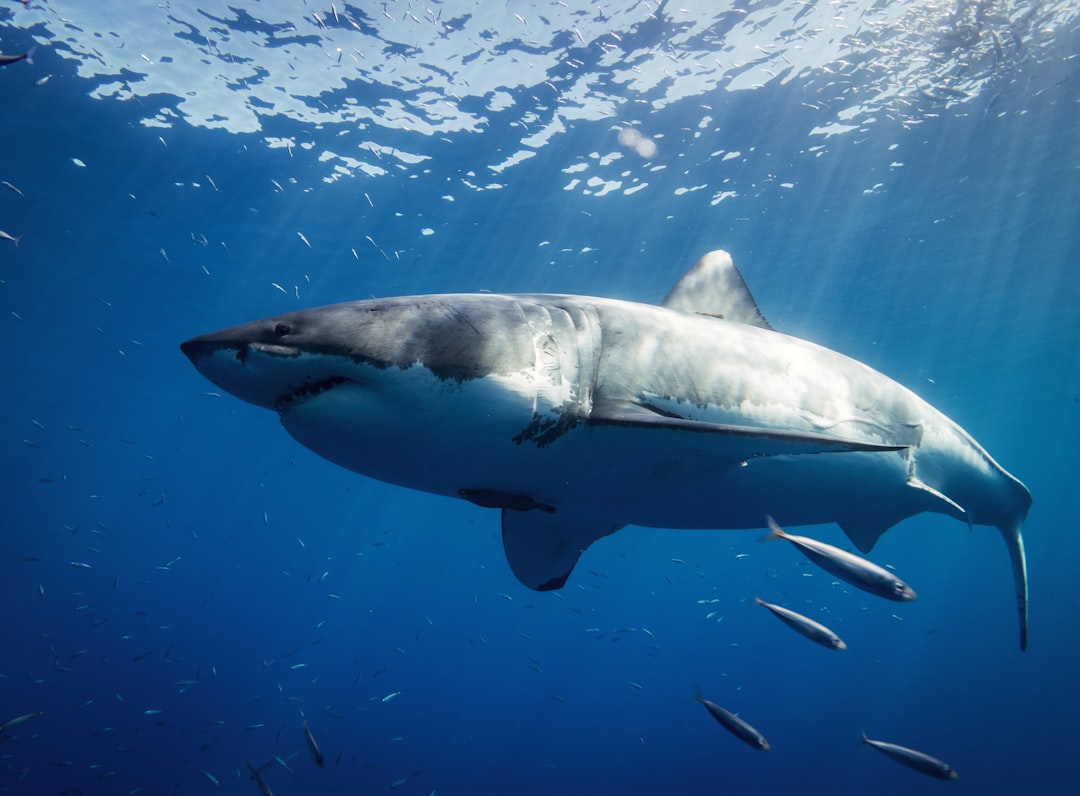
In 2024, only 47 people were injured in unprovoked attacks by all the world’s sharks worldwide, and just four died. You’re more than 75 times more likely to be killed by a lightning strike than a shark.
Yet fifty years after Jaws hit theaters, 60% of the American public believe sharks are dangerous to humans, a belief that largely stems from the narrative established by “Jaws”. Author Peter Benchley later regretted the man-eating portrayal of the fictional white shark in his best-selling book and the more dramatic, bloodthirsty depiction in the Oscar-winning Steven Spielberg film.
Wolves – The Grey Area of Fear
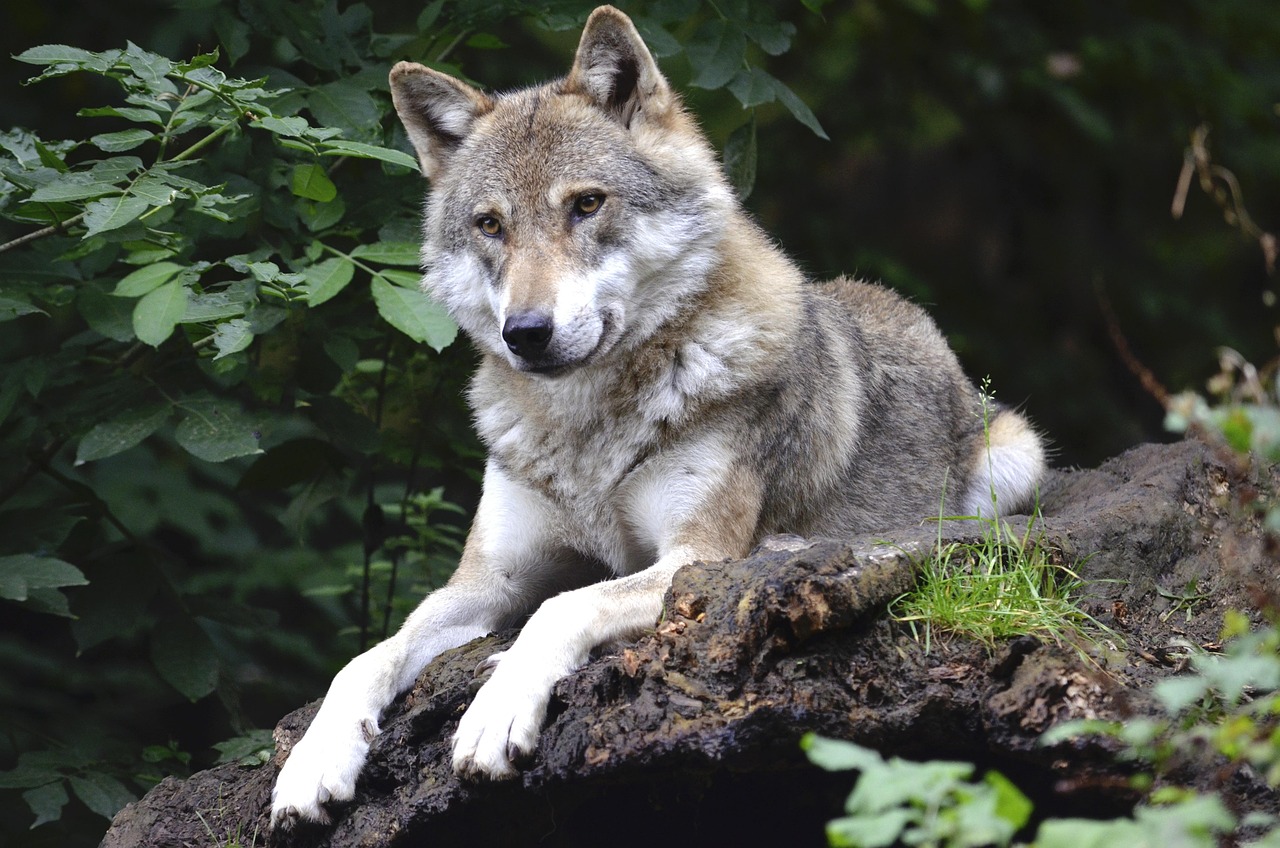
The risks associated with a wolf attacking a human are “above zero, but far too low to calculate”, according to recent research from the Norwegian Institute for Nature Research. Only two wolf attacks on humans have been recorded in North America in recent years.
Yet movies like The Grey portray wolves as malicious killing machines hunting humans for sport. The reality is that humans are much more dangerous to the wolves than they are to us.
Wolves prefer to keep to themselves.
Giant Spiders – Eight-Legged Exaggerations
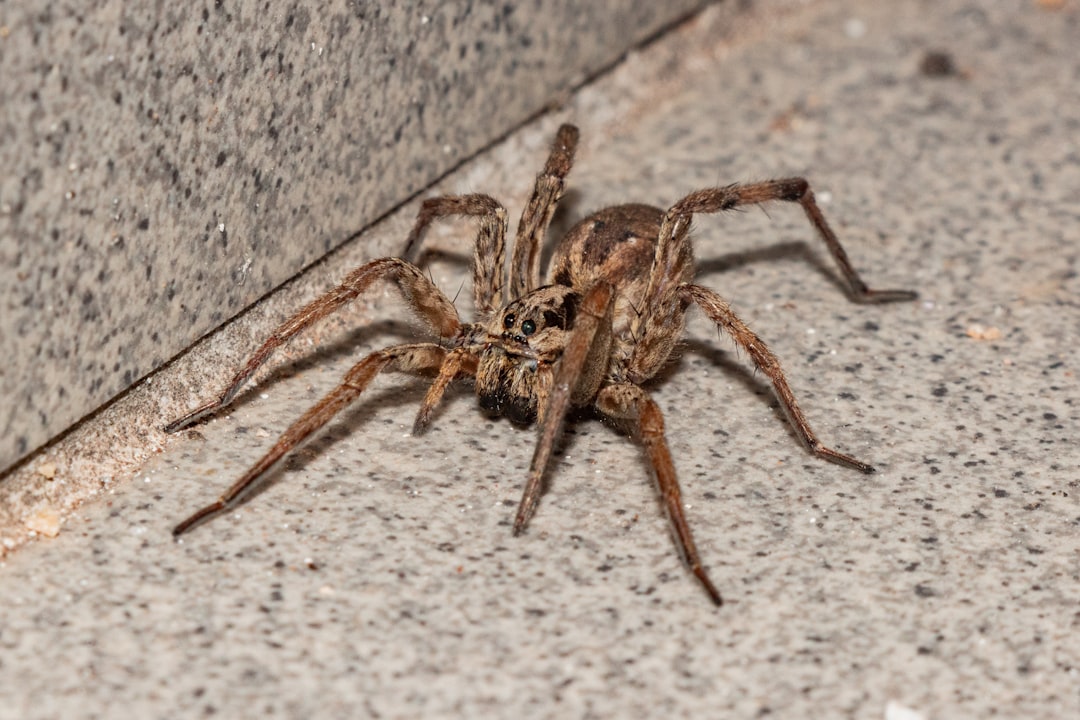
Movies like Eight-Legged Freaks and Arachnophobia have amplified spider fears beyond all proportion. Most spiders are completely harmless to humans and play crucial roles in pest control.
The largest spiders might give you a nasty bite, but they’re not city-destroying monsters. Even black widow and brown recluse spiders, while dangerous, rarely cause fatalities with proper medical treatment.
Hollywood’s giant spider scenarios ignore basic physics that would make such creatures impossible to exist.
Piranha – Misunderstood Amazon Natives
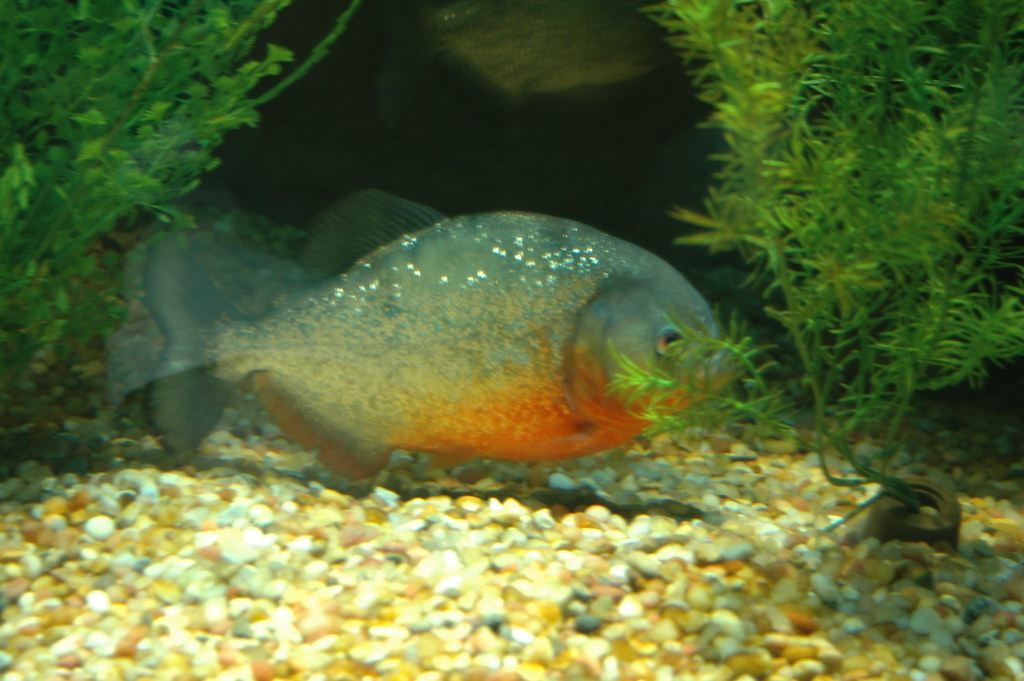
Hollywood piranha films suggest these fish are unstoppable killing machines that can strip a human to bones in minutes. In reality, piranha attacks on humans are extremely rare and usually involve single bites from defensive fish.
These omnivorous creatures primarily eat plants, insects, and small fish. They’re actually quite timid around large animals and humans.
The infamous feeding frenzies typically only occur during drought conditions when food is scarce.
Bats – Vampire Myths Take Flight
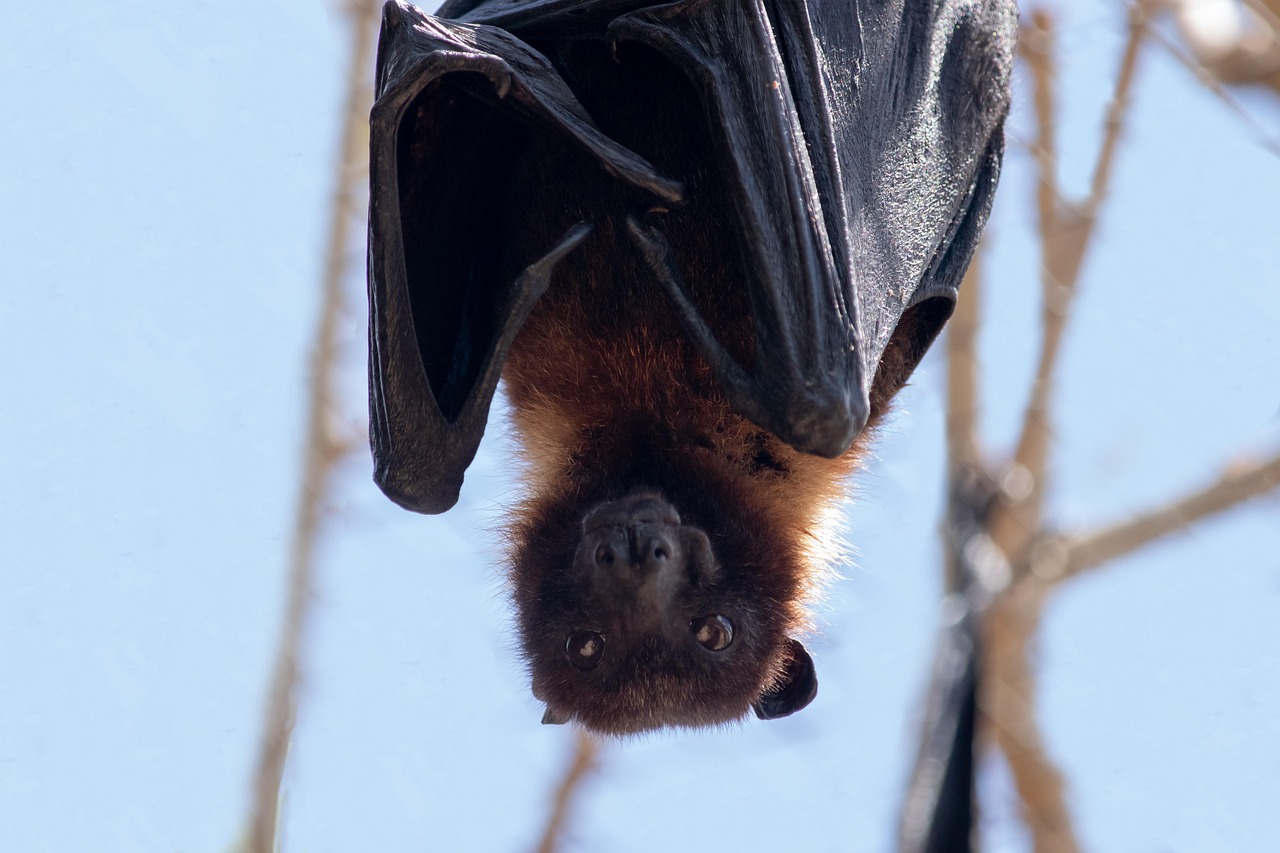
Horror films have painted bats as disease-carrying monsters and vampire associates, but these creatures are essential for healthy ecosystems. The paper addresses the spectacle of computer-generated monsters as a cultural phenomenon obscuring the reality of mass extinction.
It analyses fantastic beasts endowed with features of real-life charismatic fauna as points of conflict between human inclination to empathise with endangered species, who suffer the effects of climate change affecting their habitats. Only three species of bats actually drink blood, and they rarely target humans.
Most bats eat insects, with a single bat consuming thousands of mosquitoes nightly.
Snakes – Slithering Stereotypes
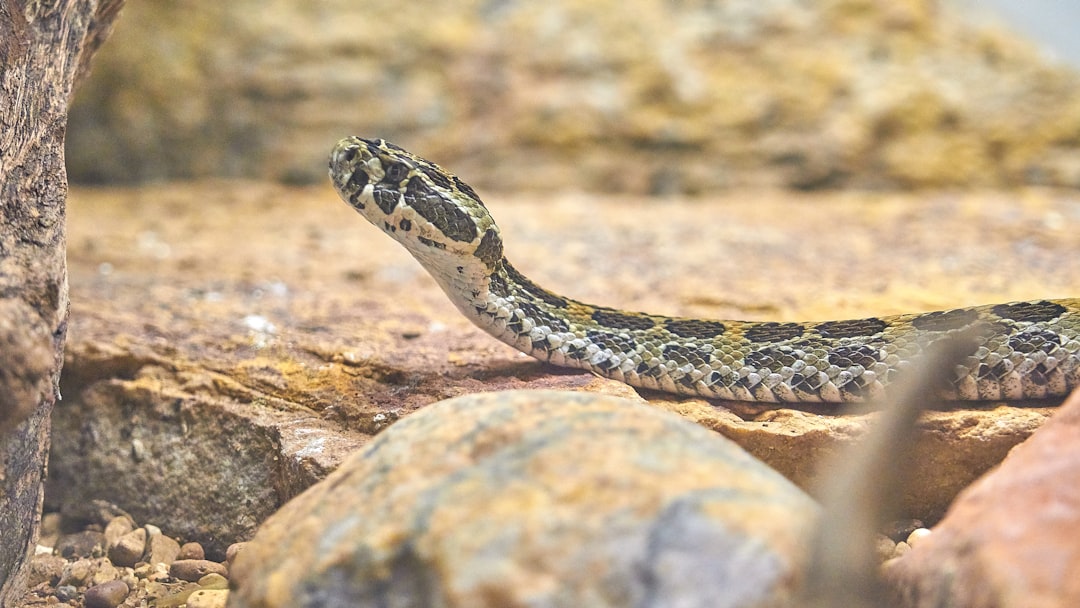
Movies consistently portray snakes as aggressive predators actively hunting humans, but most snakes are shy creatures that avoid human contact. Venomous snakes typically only bite when threatened or accidentally stepped on.
The vast majority of snake species are completely harmless to humans. Even large constrictors like pythons and anacondas rarely view humans as prey, preferring smaller animals they can actually swallow.
Bears – Gentle Giants Gone Wrong
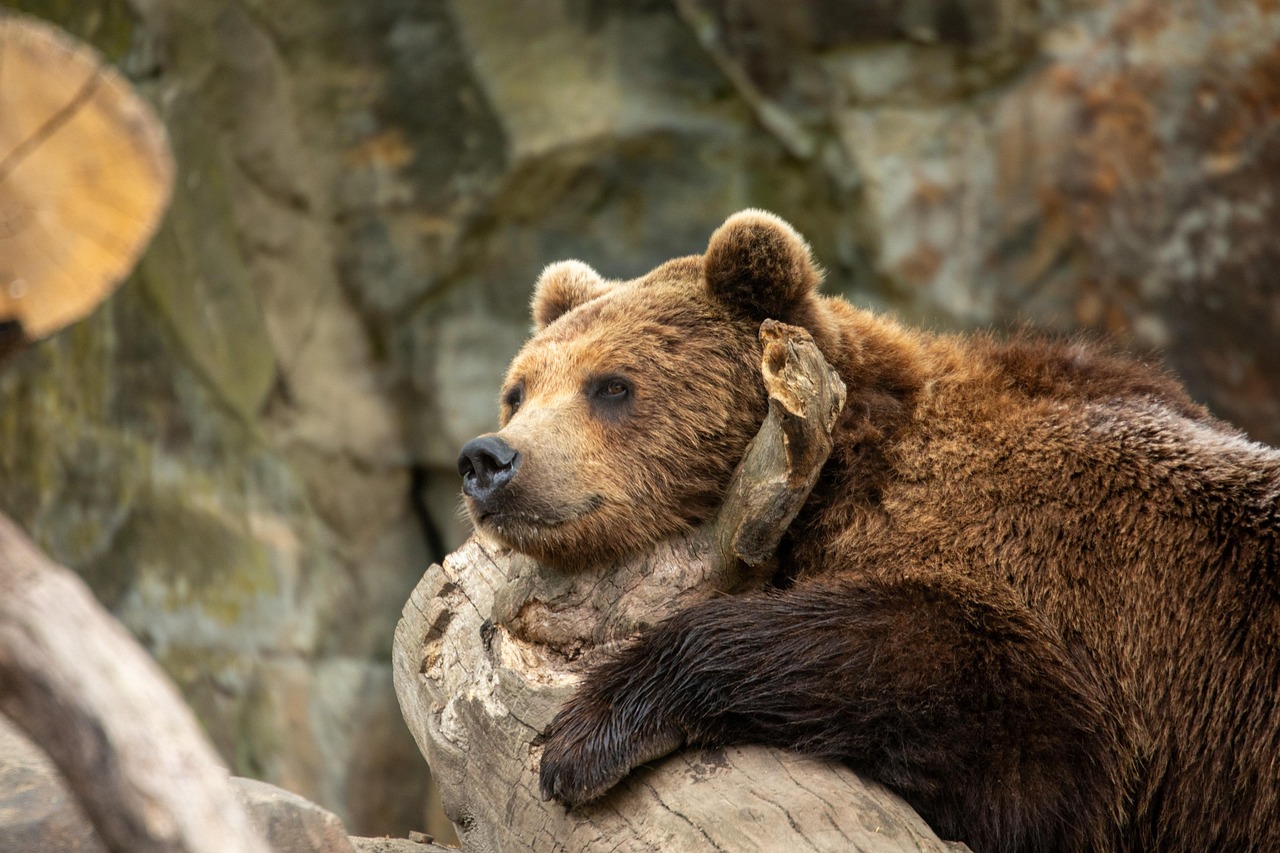
Films often show bears as relentless man-eaters, but bear attacks are incredibly rare. Most bears actively avoid humans and only attack when surprised, defending cubs, or protecting food sources.
Black bears are generally timid and will usually flee from human encounters. Even grizzly bears, while more dangerous, typically give warning signs before attacking.
Fatal bear encounters remain statistically insignificant compared to other wilderness dangers.
Gorillas – King Kong’s Gentle Truth
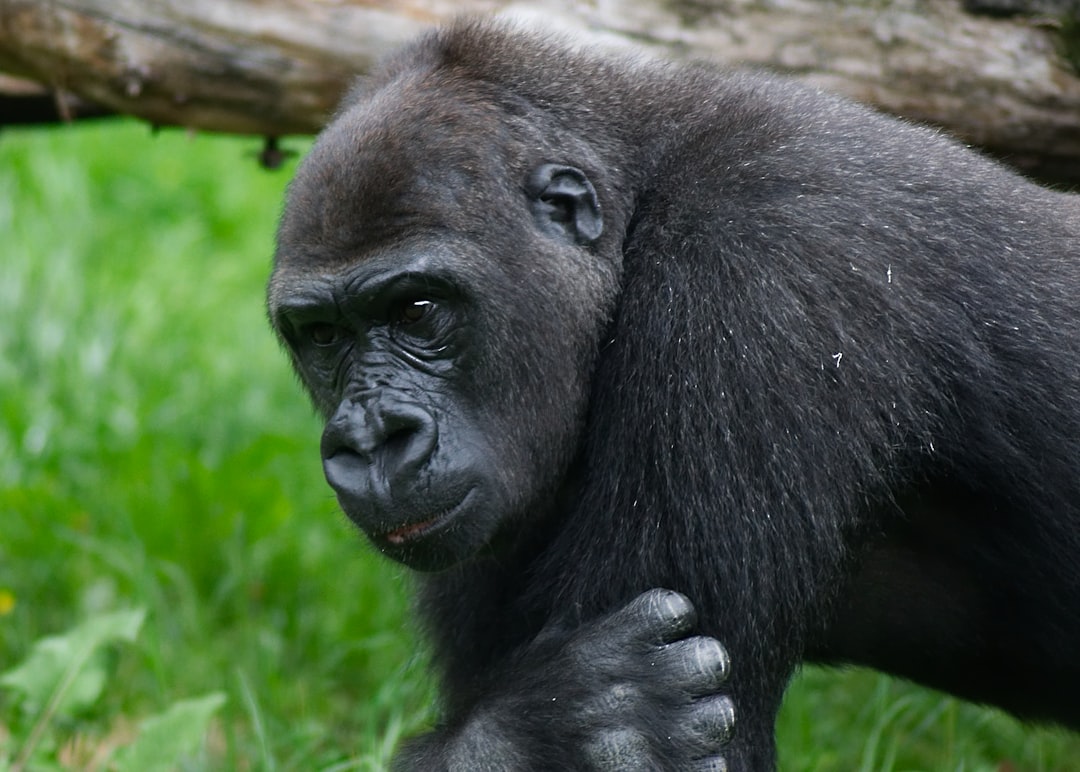
King Kong and similar films portray gorillas as aggressive monsters, but these magnificent primates are generally peaceful vegetarians. Gorillas live in close family groups and rarely show aggression except when protecting their young or territory.
5% less likely to think of the Great Ape as endangered compared to people viewing photos of Chimpanzees standing alone. Mountain gorillas are critically endangered, facing habitat loss and poaching rather than terrorizing humans.
Conclusion
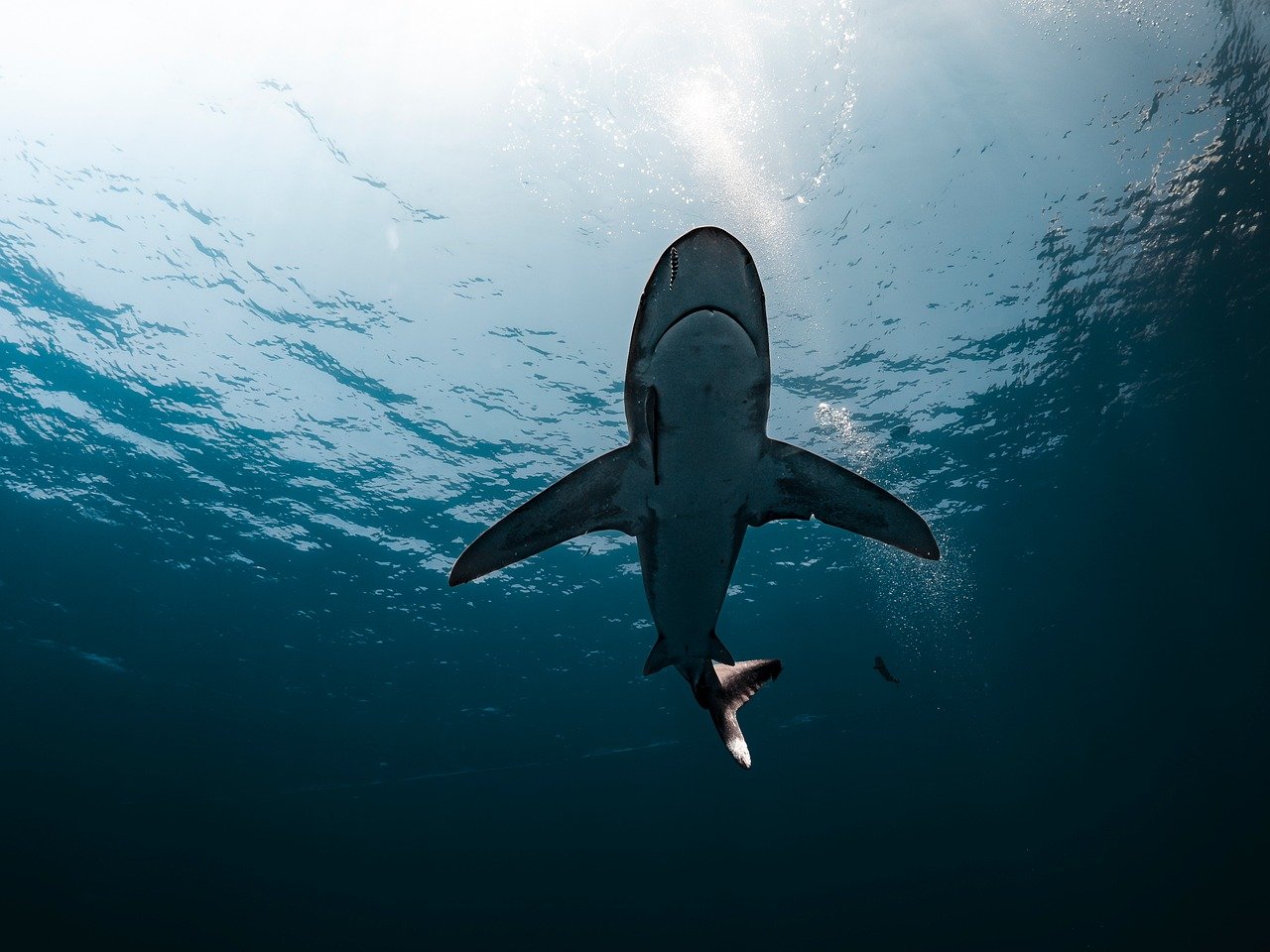
Psychological research has shown that exposure to fearmongering media headlines about sharks makes people less likely to support shark conservation efforts. A 2024 paper led by marine ecologist Nick Dulvy found that shark and ray abundance has declined by about half in the past 50 years.
The disconnect between Hollywood fiction and scientific reality has real consequences for wildlife conservation. When we understand these animals better, we can appreciate their true roles in nature rather than fearing them unnecessarily.
What surprised you most about the real behavior of these creatures? Tell us in the comments.
Want more stories like this? Follow us and never miss out!

- Penjualan Jayamas (OMED) Naik 9,57% di 2025 Didukung Produk Medis Sekali Pakai - April 7, 2026
- Skyy Clark Smiles After UCLA Basketball Tooth Procedure - April 7, 2026
- Oprah’s Easy Nighttime Routine You Can Copy - April 7, 2026


Leave a Reply