The everyday lifestyle tweaks that could slash your risk of dementia in half

- For confidential advice, call Alzheimer’s Society’s Dementia Support Line on 0333 150 3456
- Alzheimer’s Society’s symptoms checker can help spot the signs of dementia
It could be as simple as trying out a new puzzle on your favourite newspaper’s brainteaser page.
Add in a gardening session in the sunshine or build in a regular walk with friends. Perhaps buy a blood pressure monitor to keep a close eye on your readings at home. Or even keep a tennis ball close at hand to build your grip strength – and always floss your teeth in the morning.
What these minor habits have in common is simple: build them into your regular daily routines and they could each chip away at your risk of developing the nation’s biggest killer.
Dementia, which affects nearly one million families across the country, has long been one of our most feared diseases.
It claims 76,000 lives a year, slowly robbing our loved ones of their memories, mobility and independence and leaving a black hole in many hardworking families’ finances as they scramble to foot spiralling care fees.
But as The Mail on Sunday and Daily Mail launch their Defeating Dementia campaign, in association with leading charity Alzheimer’s Society, we reveal that it is not an inevitable part of ageing, despite what you might think.
Scientists now believe around 45 per cent of all cases of dementia may be preventable or – at the very least – that the symptoms can be delayed, in some cases for many years, allowing everyone to live longer, healthier lives.
The trailblazing campaign, which launched in yesterday’s Daily Mail with a damning investigation that shows dementia patients face a ‘postcode lottery’ when it comes to their care and diagnosis, aims to boost early diagnosis and dementia research and improve awareness of the support available to patients and their families.


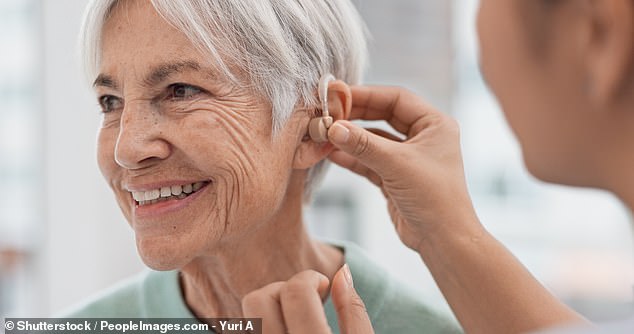
But a key strand, too, is empowering everyone to make small but crucial changes to their lives – starting in midlife – which, when combined, can build resilience in the brain, making it better able to withstand the damage that comes with ageing.
As Dr Richard Oakley, associate director of research and innovation at Alzheimer’s Society, says: ‘No one is ever guaranteed to get dementia. And while the biggest risk factor is ageing, which we cannot change, there are many things you can do to mitigate your risk – some of which are in your control and can reduce your risk of multiple chronic diseases such as type 2 diabetes and heart problems.
‘The proteins linked to dementia start to build up in the brain in midlife, from your 40s onwards, and it takes 20 years of damage before your brain can’t mitigate it.
‘If you can slow that damage down you can get years of extra quality life before symptoms kick in. That’s an exciting opportunity.’
It’s never too late to make positive steps. So which of these changes could you make?
Stay active to keep your brain in shape
Regular exercise is ‘one of the most important things you can do’ to reduce your dementia risk, according to Dr Tim Beanland, head of knowledge and learning at Alzheimer’s Society.
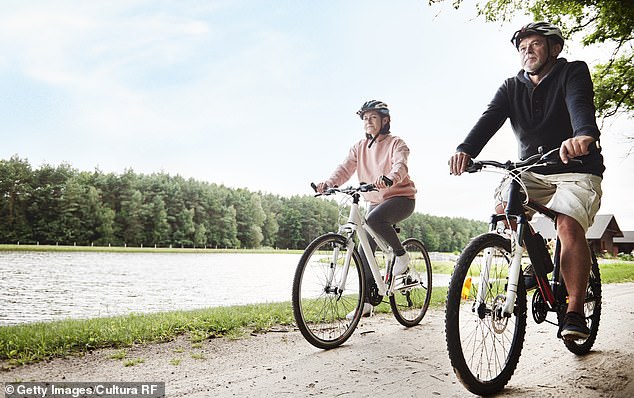
One 2022 study found that people who exercised regularly had a 35 per cent lower risk of dementia compared with those who were rarely active. Any exercise counts, but particularly those that leave you slightly breathless, such as swimming or cycling. Even gardening and housework helps.
It improves blood flow, reduces blood pressure and inflammation and enhances the brain’s plasticity, making it better equipped to deal with damage and disease.
Poor grip strength is also linked to dementia.
Improve this by regularly squeezing a tennis ball as hard as you can for five seconds.
Keep an eye on your blood pressure
High blood pressure is one of the most significant risk factors for dementia. While it can cause heart attacks and strokes, it also directly damages the tiny blood vessels supplying the brain.
The Framingham Heart Study, which followed over 3,000 people from midlife to see who developed dementia after 65, found those with the highest blood pressure more than doubled their risk.
But there are no symptoms for high blood pressure, so about four million Britons are thought to remain undiagnosed.
Normal blood pressure is 120/80mmHg, and anything over 130/80mmHg is considered hypertension. At-home monitors can be bought cheaply.
‘You can empower yourself to know what your blood pressure is and take steps to address it,’ says Dr Oakley.
Tackle it in midlife, before damage sets in, by following a healthy diet, cutting out salt, losing excess weight and being more active.
Taking medication to lower it also cuts the risk of both dementia and cognitive impairment.

…and watch out for your cholesterol levels
High cholesterol, which causes fat to build up in the blood and arteries, affects six in ten British adults and may increase the risk of Alzheimer’s by up to 57 per cent.
It’s known as the silent killer, as it also has no symptoms, but if it goes undiagnosed it can cause heart attacks and strokes as well as dementia.
One 2009 US study found even slightly elevated cholesterol was enough to increase Alzheimer’s risk by 23 per cent and vascular dementia by 50 per cent.
Ask your GP for a cholesterol test at least every year. A healthy level of total cholesterol is 5mmol/L or below, or 4mmol/L or below for so-called ‘bad’ or LDL cholesterol.
Switching to a healthy diet and doing more exercise can help some people, but others might benefit from taking a statin. A 2018 analysis found they can reduce Alzheimer’s risk by 30 per cent and vascular dementia by 7 per cent.
Trim your spare tyre… and get rid of bingo wings
Excess weight – particularly around your middle – increases dementia risk. But losing just 4lb (2kg) can improve memory and thinking six months later, studies suggest.
It’ll also make your heart healthier – and what’s good for the heart is good for the brain.
Dr Beanland says: ‘Obesity leads to high blood pressure and type 2 diabetes, both risk factors for dementia, but excess weight in midlife is still also an independent risk factor in itself, so it’s important to get on top of it then, if you can.’
One study found flabby upper arms, or ‘bingo wings’, measuring over 12.5in were 18 per cent more at risk of Alzheimer’s and Parkinson’s. But having toned upper arms reduced that risk by 26 per cent.
Reduce blood sugar to avoid type 2 diabetes
One in ten people in the UK have type 2 diabetes, which is linked to excess weight. And as one major South Korean study found in 2024, it can more than triple the risk of developing dementia.
This is because, over time, the condition damages the small blood vessels in the brain, causing deposits of toxic amyloid protein.
The earlier you develop it, the higher that risk – those diagnosed under 50 were four times as likely to develop Alzheimer’s and nearly six times more likely to end up with vascular dementia, the study found.
Normal blood sugar readings are under 42mmol, while 42-47mmol is pre-diabetic and over 48 is classified as diabetes.
It isn’t clear whether treatment can reduce the risk once you’ve developed diabetes.
A GP can carry out a simple blood test to check your levels, and maintaining a healthy weight is protective.
Make an appointment with your optician
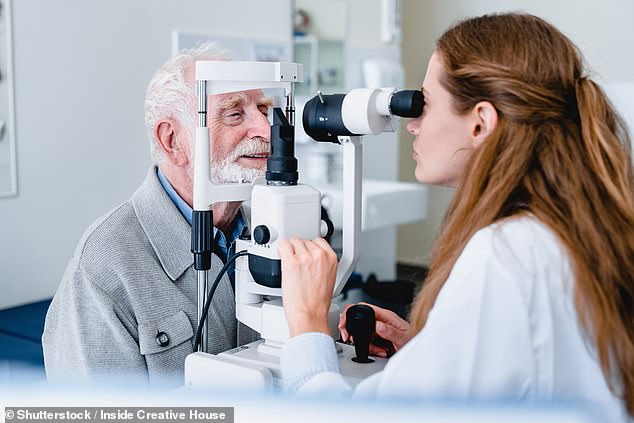
Regular eye tests will spot cataracts – when the lens of the eye becomes cloudy. People with such visual impairment increase their risk of both dementia and cognitive problems by 47 per cent, according to a 2020 analysis by Chinese and Australian scientists.
But having a simple op to replace the cloudy lens with an artificial one significantly reduces that risk.
Dr Oakley says: ‘Clear vision allows you to take in information and challenge your brain.
‘Your brain is like a muscle, so if it isn’t used properly it is less able to function well.’
Brush twice a day and avoid mouthwash
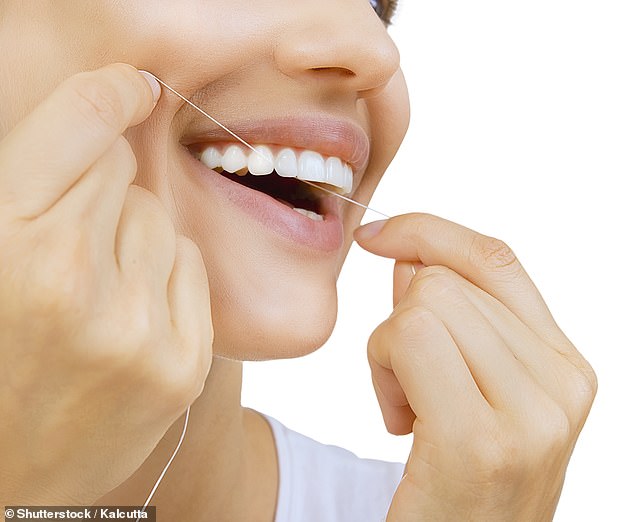
Poor oral health, including gum disease, makes memory problems and dementia more likely.
It causes general inflammation, which is itself linked to dementia, and allows bacteria in the mouth to travel to the brain, where it could trigger some of the changes linked with Alzheimer’s.
One 2021 study by New York researchers found older adults with the most harmful gum bacteria were more likely to have markers of Alzheimer’s disease in their cerebrospinal fluid – suggesting amyloid build-up in the brain.
Other studies have found people with periodontal disease have higher rates of cognitive decline.
Dentists recommend brushing twice a day and using floss or interdental brushes. But avoid mouthwash – it can destroy good bacteria, which fight against infection and inflammation.
Quit that smoking habit – it’s never too late
About 10 per cent of dementia cases may be linked to smoking, but quitting can eliminate the risk.
One 2020 study by researchers from Johns Hopkins Bloomberg School Of Public Health in the US found smokers have a 33 per cent increased risk of dementia.
But those who have quit for at least nine years have the same level of risk as people who never smoked.
Even those who kick the habit at 60 can gain an extra three years of life expectancy.
Dr Beanland says: ‘Stopping smoking gives a huge boost to your cardiovascular health, which we know has a direct effect on your brain health.’
Ask your GP or pharmacist about the NHS’s free Stop Smoking service.
Drink less alcohol to preserve grey matter
The Lancet Commission’s report on dementia risk factors in
2024 found that drinking more than 21 units of alcohol a week increases dementia risk by 17 per cent. It also lowers the volume of grey matter in the brain, compared with those who stick to Government guidelines of 14 units a week.
Some recent analyses suggest that there is no ‘safe’ level for brain health, and
that alcohol drives inflammation in the brain, interferes with the mechanisms that remove toxic proteins and accelerates brain shrinkage. Cutting down can reduce the risk – studies show that drinking fewer glasses of wine each week can improve cognition.
Make time to phone a friend every day
Any type of social contact, from coffee with a friend or a trip to the shops, keeps the brain active.
People who are isolated increase their dementia risk by about 60 per cent because the brain is less stimulated, which makes it less resilient to ageing.
Daily phone conversations can help limit cognitive decline, and older people with a wide circle of relationships are 30 per cent less likely to develop dementia than those with few contacts.
You don’t even have to like everyone – any human contact is protective.
Dr Oakley says: ‘Social interactions stimulate the brain, and make it better able to build diversions around any damage that occurs.’
Don’t ignore feelings of depression or low mood
Treating depression in midlife can reduce your risk of developing dementia later, multiple studies suggest.
It’s thought that the same areas of the brain are affected by both depression and Alzheimer’s, and that some antidepressants can restore the level of chemicals that send messages between brain cells in these areas.
One UK Biobank study found those who take antidepressants or have therapy are one quarter less likely to develop the disease compared with those who did nothing.
The authors said ‘timely treatment’ of depression could reduce dementia risk, especially if it starts before depression becomes too severe.

Take a walk on the quieter side and avoid wood-burners
The more exposed you are to air pollution from traffic fumes or wood-burning stoves, the greater your risk of dementia will be.
This is because tiny PM2.5 particles, linked to lung conditions and heart disease, are thought to enter the brain.
A UK Biobank study last year found dementia risk increased by 7 per cent for each small increase in exposure to PM2.5.
Magnetite, a form of iron released from burning fuel, may also be involved in the development of Alzheimer’s.
Experts recommend walking on side streets, not main roads, and avoiding wood-burning stoves, which are responsible for 38 per cent of the UK’s PM2.5 particles.
Always wear a helmet when cycling
Even mild knocks to the head can become deadly decades later.
A major US study in 2021 over 25 years found a single head injury could increase dementia risk by 25 per cent, and two or more injuries – from falls to sports injuries – carries a two-fold increased risk.
That’s because the brain makes amyloid plaques around an injury site, which can accumulate and lead to Alzheimer’s.
Always wear a helmet while cycling or skiing, and encourage children to do the same.
Make sure that you get a good night’s sleep
People who consistently sleep fewer than six hours a night in middle-age are 30 per cent more likely to develop dementia later in life, according to a 2021 study published in Nature Communications.
It may prevent the brain clearing out toxins linked to Alzheimer’s, which means they build into damaging plaques.
Insomnia, poor quality sleep and sleep apnoea are also linked with type 2 diabetes, obesity, stroke and depression, which are themselves risk factors.
If you struggle to sleep or wake up unrested, see your GP.
- Could your daily habits be silently increasing your risk for dementia, and what groundbreaking lifestyle changes might dramatically slash it?
- Think you’re safe from dementia? Learn the drastic measures you can take now to prevent this UK’s biggest killer from knocking at your door.
- Are your sleeping patterns increasing your risk of Alzheimer’s and dementia?
- Is your undiagnosed sleep apnoea silently inflating your risk for dementia and stroke? See what groundbreaking research reveals.
- Could keeping your blood pressure in check from midlife prevent brain-damaging dementia later? Discover the surprising link!

- Pemprov Kaltim Cairkan Bantuan Pendidikan Gratis Tahap II Rp 117,55 Miliar - March 23, 2026
- Kunci Jawaban Bahasa Indonesia Kelas 5 Halaman 176 Kurikulum Merdeka - March 23, 2026
- Pemimpin legislatif Massachusetts mengusulkan pilot untuk tempat pencegahan overdosis di tengah reaksi yang campuran - March 23, 2026



Leave a Reply